
Your Guide to Aftercare for Large Tattoos
Your new tattoo is more than just ink; it is a significant piece of personal art, a story told on your skin. The collaborative journey we began in the studio now enters its final and most crucial stage: healing. Proper aftercare for large tattoos is essential to ensure the artwork settles perfectly and retains its vibrancy for a lifetime. This process requires special attention here in Singapore, where the high humidity can introduce unique challenges to healing.
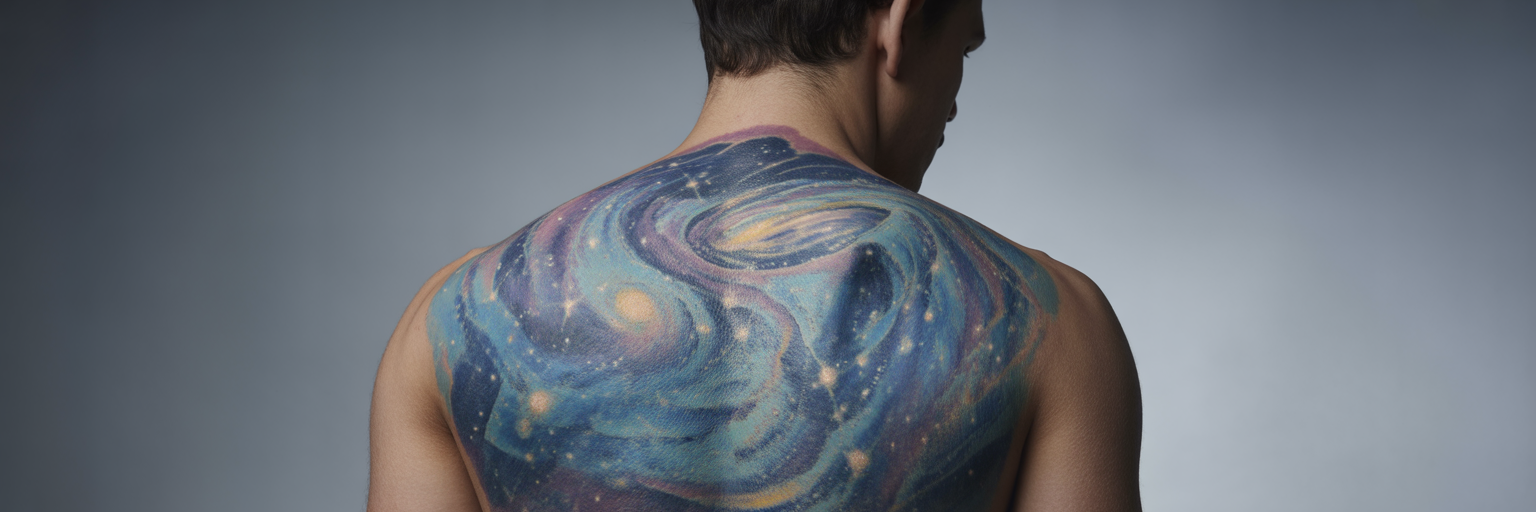
Large, saturated back or chest pieces are particularly susceptible to the climate. Constant moisture in the air can disrupt the delicate balance your skin needs to repair itself, potentially slowing down recovery and increasing the risk of bacterial growth. This guide provides a clear, step-by-step process designed to protect your artistic investment, ensuring your tattoo heals beautifully and stands the test of time.
The First 48 Hours: Protecting Your New Artwork
The initial hours following your appointment are critical for setting the foundation for a smooth healing journey. Your new tattoo is an open wound, and the medical-grade protective film applied at our studio acts as a vital barrier. It shields the sensitive area from friction, airborne bacteria, and other contaminants while allowing your skin to begin its natural recovery process.
After the recommended time, you will begin the first cleaning. Follow these steps precisely to ensure the area is clean and prepared for healing:
- Remove the Film Gently: After the time specified by your artist, carefully peel off the protective film under lukewarm running water to loosen the adhesive.
- Wash with Care: Using only your fingertips, gently wash the tattoo with a fragrance-free, antibacterial soap and lukewarm water. Create a soft lather and cleanse the entire area to remove any plasma or excess ink. Do not use a washcloth or loofah.
- Rinse Thoroughly: Allow the water to run over the tattoo until all soap residue is gone.
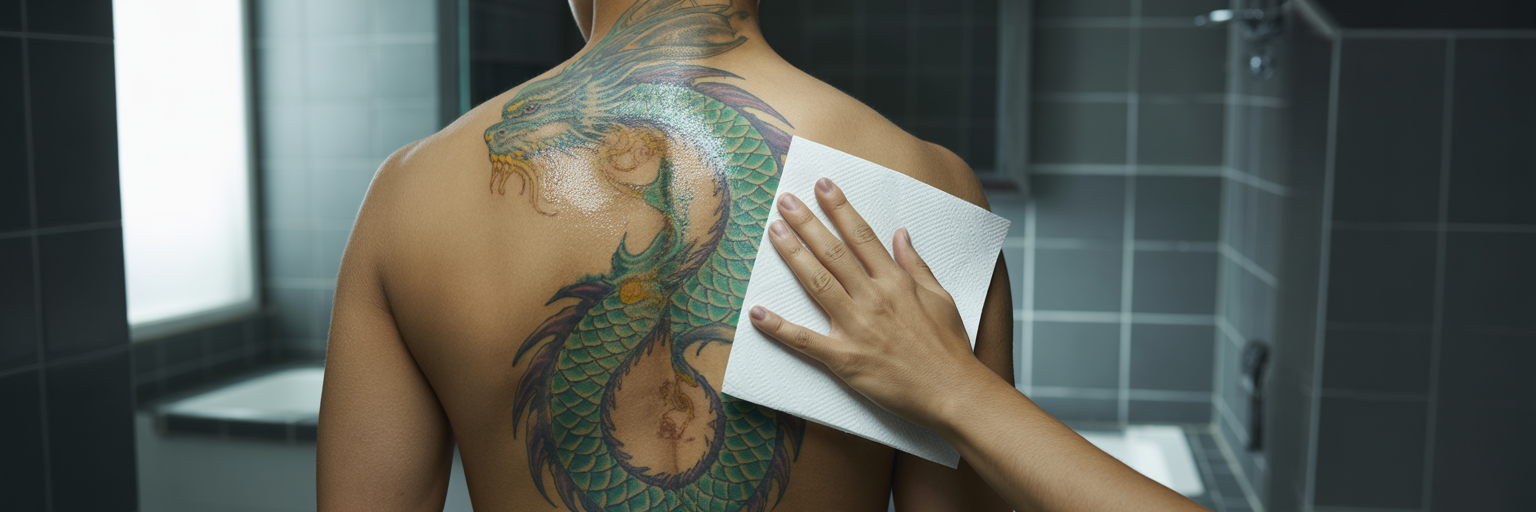
- Pat Dry Correctly: Use a clean, disposable paper towel to gently pat the area dry. Avoid using a fabric towel, as it can harbor bacteria and leave behind lint that may irritate the tattoo. Allow the skin to air-dry for another 10 to 15 minutes before applying any aftercare product.
This initial cleaning is fundamental to both back tattoo care and the chest tattoo healing process, as it prepares a large surface area for a healthy recovery, free from contaminants.
Mastering Moisture in a Humid Climate
In Singapore's climate, achieving the right moisture balance is the most nuanced part of the healing process. While your tattoo needs hydration to heal, excessive moisture is a significant risk. Over-moisturizing can suffocate the skin, clog pores, and create a damp environment where bacteria can thrive. The goal is to keep the skin supple, not saturated. As research from the Journal of the European Academy of Dermatology and Venereology highlights, high humidity can alter the skin's natural healing response.
This is why product selection is so important. Heavy, petroleum-based ointments are generally not suitable for our climate. Instead, opt for a lightweight, non-comedogenic balm or a soothing gel. One of our best large tattoo aftercare tips is to apply an extremely thin layer, just enough to give the skin a subtle sheen. You should only apply moisturizer when the skin feels tight or dry, not on a fixed schedule. This empowers you to listen to your skin and provide what it needs, when it needs it.
Choosing the Right Moisturizer for Singapore's Climate
| Product Type | Texture | Best For | Why It Works in High Humidity |
|---|---|---|---|
| Heavy Ointment (e.g., Petroleum-Based) | Thick, Occlusive | Dry, Cold Climates | Not recommended; traps sweat and heat, can clog pores and suffocate the skin. |
| Lightweight Balm (e.g., Shea or Cocoa Butter Base) | Creamy but Absorbent | Normal to Dry Skin Types | Use sparingly; provides good hydration but a very thin layer is crucial to allow skin to breathe. |
| Soothing Gel or Gel-Cream (e.g., Aloe or Panthenol-Based) | Light, Water-Based | Oily or Sensitive Skin, Humid Conditions | Ideal choice; absorbs quickly, cools the skin, and hydrates without leaving a greasy film. |
This table compares common aftercare product types to help you select the best option for your skin, ensuring optimal tattoo healing Singapore.
Navigating Daily Life and Activities

Once you leave the studio, protecting your large tattoo from the rigors of daily life becomes paramount. Friction is a primary threat to healing back and chest pieces. Constant rubbing from clothing or accessories can irritate the sensitive skin, damage forming scabs, and potentially lead to ink loss. Thoughtful adjustments to your routine can make a significant difference.
Pay close attention to common sources of friction and take steps to mitigate them:
- Clothing: Opt for loose-fitting, soft, and breathable fabrics like cotton. Avoid tight shirts, synthetic materials that trap heat, and anything with a rough texture. For chest tattoos, women should avoid wearing bras for as long as possible or choose soft, wireless bralettes.
- Straps and Bags: Proper back tattoo care means avoiding backpacks or any bag with a shoulder strap that rests on the tattooed area. If you must carry a bag, use a handbag or a crossbody bag worn on your front.
- Sleeping: Try to sleep in a position that avoids putting pressure on your tattoo. Use clean, soft bed linens and change them frequently to minimize bacterial exposure.
Minimizing sweat is also crucial. While light activity is fine, avoid intense workouts that cause excessive perspiration for at least the first two weeks. If you do sweat, shower immediately using your gentle cleansing routine. It is absolutely essential to avoid swimming in pools, oceans, or jacuzzis, and to stay out of saunas and steam rooms for at least one month. These environments are breeding grounds for bacteria and pose a high infection risk to a healing tattoo.
The Final Healing Stages and Long-Term Vibrancy
As your tattoo moves into the final healing stages, typically after the first week, you will notice scabbing and flaking. This is a completely normal and necessary part of the process, though it can be more pronounced on large, heavily saturated designs. The skin is repairing itself, and the scabs are protecting the new layers forming underneath. The single most important rule during this phase is to not pick, scratch, or peel the scabs. Doing so can pull ink out, leading to patchiness and the need for a touch-up.
Itchiness is a common sign of healing. If the sensation becomes intense, resist the urge to scratch. Instead, you can gently tap or pat the area with clean fingers to find relief. Continue your gentle washing and moisturizing routine, allowing the scabs to fall off naturally. Once the skin is fully healed and no longer scabbing, you can transition to long-term maintenance. The most critical factor for preserving your tattoo's color and detail is sun protection. As the Cleveland Clinic advises, sun exposure is the leading cause of tattoo fading. In Singapore's intense sun, applying a broad-spectrum sunscreen of at least SPF 30+ daily is non-negotiable. This simple habit will keep your artwork vibrant for years to come.
Identifying and Responding to Complications
While complications are rare with proper care, it is vital to know the difference between normal healing and signs of a problem. Mild redness, light swelling, and peeling are all expected parts of the process. However, certain symptoms require immediate attention. As the American Academy of Dermatology Association notes, recognizing issues early is key to preventing serious problems.
Be vigilant for these tattoo infection signs:
- Redness that spreads or darkens instead of subsiding.
- Excessive or prolonged swelling.
- A feeling of heat radiating from the tattoo after the first few days.
- Pus or foul-smelling discharge from the area.
- Fever, chills, or feeling unwell.
If you experience any of these symptoms, do not wait. It is essential that you contact your artist at Memory Lane Tattoo Studio and consult a medical professional without delay. Our commitment to your artwork extends beyond the studio, and we remain your partner throughout your healing journey. Your health and the integrity of your tattoo are our highest priorities.