
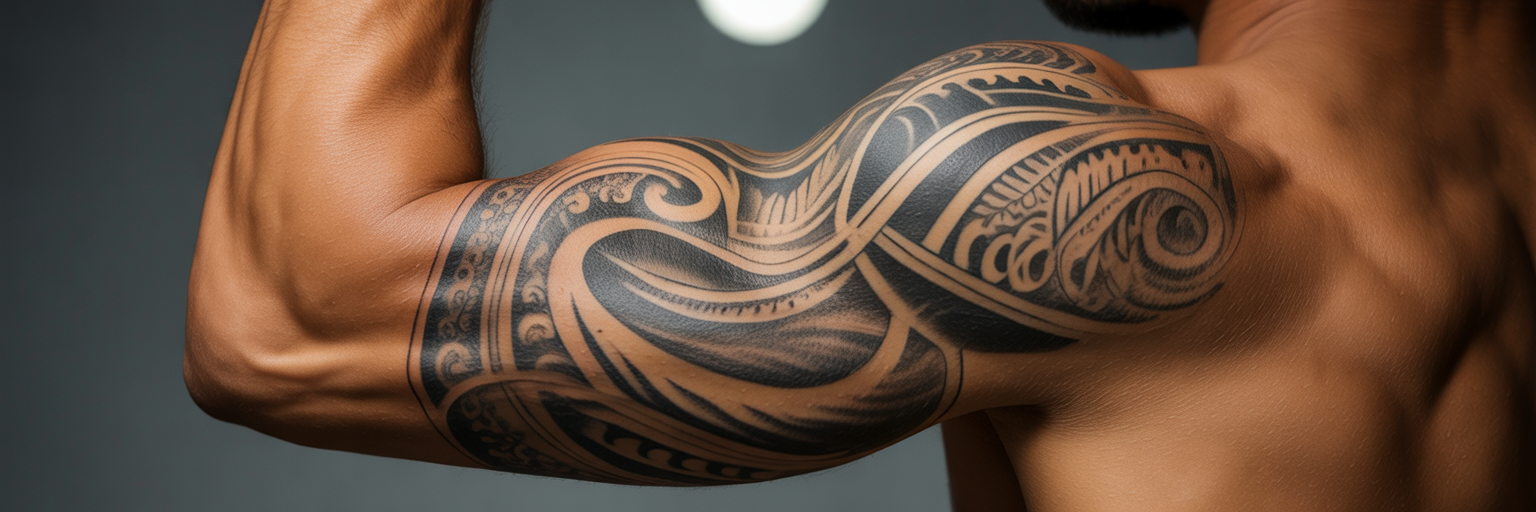
The Enduring Power of Tribal Tattoos
For centuries, skin has served as a canvas for identity, with intricate patterns telling stories of lineage, courage, and belonging. The visual force of tribal tattoos is undeniable, and in a multicultural hub like Singapore, their appeal is strong. We see them as powerful statements of art and identity. Yet, this popularity brings a significant challenge: how do you choose a design that honours a culture without overstepping into appropriation? This isn't just about aesthetics. It's about approaching this ancient art form with the respect it deserves. This guide is for anyone considering a tribal tattoo in Singapore, offering a path to getting a piece that is not only beautiful but also deeply meaningful and culturally considerate.
Understanding What 'Tribal' Really Means
The first step is to recognise that "tribal tattoo" is an umbrella term, not a single style. Many of us remember the generic, sharp-angled designs that became a trend in the '90s. Those patterns, often stripped of their original meaning, are a world away from authentic cultural tattoo practices.
Beyond the '90s Trend: Authentic vs. Generic Styles
Authentic tribal tattoos are tied to specific peoples and their histories. They are living traditions, not relics of the past. Each style has its own distinct rules, symbols, and purpose. Some of the most well-known traditions include:
- Polynesian: This category includes styles like Marquesan and Samoan (Tatau). Their bold, geometric patterns are not just decorative. They often map out a person's genealogy, social standing, and significant life voyages.
- Māori (Tā Moko): These are sacred markings unique to the Māori people of New Zealand. A Tā Moko is a visual representation of an individual's whakapapa (ancestry) and personal history. It is a profound statement of identity.
- Iban (Borneo): For the Iban people, tattoos mark major life achievements and provide spiritual protection. The Iban tattoo meaning can signify everything from a successful headhunting expedition in historical times to a personal journey or accomplishment today.
A Visual Language of Heritage
These motifs are not random. They form a complex visual language where every line and shape carries weight. A study by Wisp & Willow on the cultural significance of tribal tattoos notes that these designs are narratives of identity and heritage. They communicate a person's connection to their community, their ancestors, and their place in the world. Understanding this depth is the foundation of cultural tattoo appreciation. It shifts the perspective from simply wanting a "cool design" to respecting a profound form of human expression.
Appreciation vs. Appropriation: How to Navigate the Grey Areas
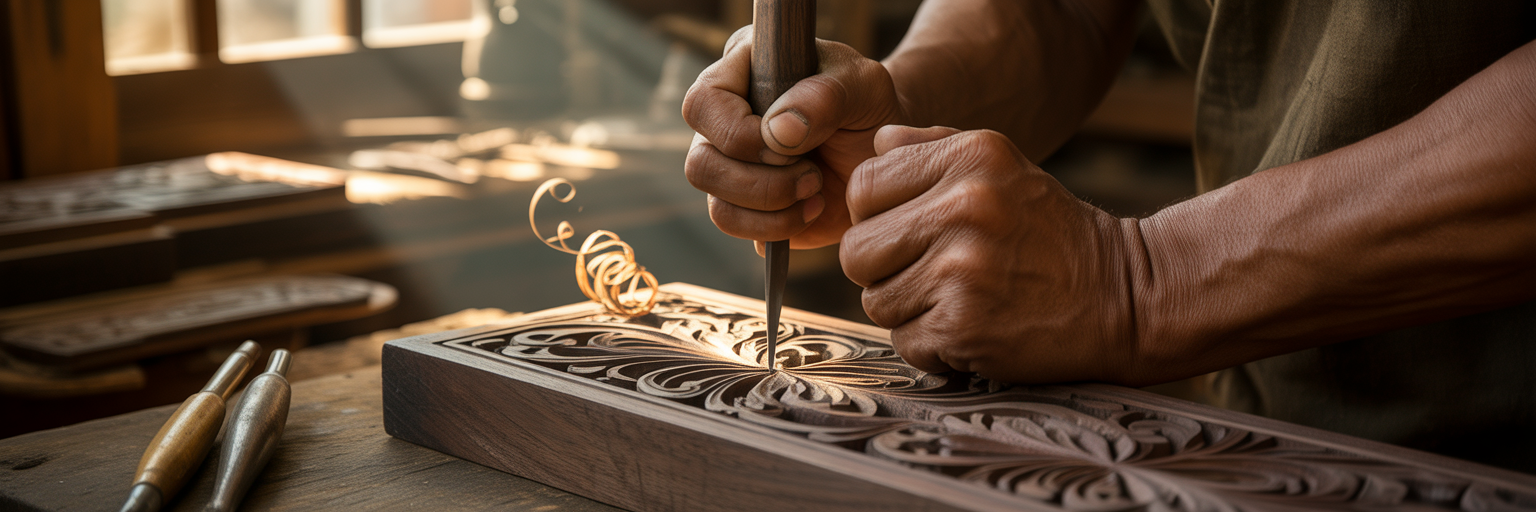
So, where is the line between honouring a culture and misusing it? Cultural appreciation is about engaging with a culture to learn and respect its traditions, often through collaboration and with permission. Appropriation, on the other hand, is taking sacred symbols out of context for personal aesthetic gain, turning deep meaning into a mere fashion statement. It’s the difference between listening to a story and stealing the punchline.
| Aspect | Cultural Appreciation | Cultural Appropriation |
|---|---|---|
| Intent | To honour, learn, and understand | To borrow for aesthetic or trend value |
| Source | Engages directly with culture-bearers | Takes from decontextualized sources (e.g., internet images) |
| Process | Collaborative, respectful, and seeks permission | Transactional, with no cultural exchange or understanding |
| Outcome | Uplifts the source culture and artist | Trivializes or commodifies sacred symbols |
Before you commit, ask yourself some honest questions:
- Why am I drawn to this specific design or culture?
- Do I understand its origin and the context in which it is traditionally used?
- Am I trying to claim a heritage or identity that isn't mine?
- Is there a way to honour this art form without crossing a boundary?
Some cultures have created pathways for respectful engagement. For example, Māori artists offer Kirituhi, which uses Māori artistic styles to tell the wearer's personal story but is created specifically for non-Māori. This avoids the appropriation of sacred Tā Moko while still celebrating the art form. This thoughtful approach aligns with the philosophy of creating meaningful, bespoke art, a principle that guides the collaborative process at our studio. As highlighted by resources like Native Languages of the Americas, wearing certain tribal designs without heritage can be deeply problematic, making it crucial to understand which symbols are restricted.
Finding an Artist Who Honours the Tradition
Your choice of artist is the most critical decision in this process. The ideal person is either a practitioner from that culture or an artist who has received formal training and blessings from cultural elders to carry on the tradition. When you search for a Polynesian tattoo artist in Singapore, for instance, you need to look beyond a slick portfolio.
Dig deeper into their background. Does their website or social media talk about the cultural significance of their work? Do they mention their teachers, their lineage, or their connection to the community they represent? Be wary of red flags, like artists offering generic "tribal flash" sheets or mixing symbols from different cultures without any explanation. While online guides like TatScout can be a starting point for finding artists, they should be followed by in-depth personal research into an artist's cultural credentials and practices.
The consultation will tell you everything you need to know about how to choose a tribal tattoo artist. A respectful practitioner will be more interested in your story and motivations than in simply tracing a design. The conversation should feel like a genuine partnership. At Memory Lane Tattoo Studio, we believe the consultation is the most important part of the journey, ensuring every design is a true collaboration between artist and client.
The Collaborative Design Journey

Working with a specialist artist is a unique experience. Many traditional practitioners do not use stencils. Instead, they draw the design directly onto your skin with a marker before the session begins. This isn't a shortcut; it's a hallmark of authenticity. This freehand method allows the artist to create a design that flows with the unique contours and musculature of your body. The tattoo is literally made to fit you, transforming it into a truly bespoke piece of art that moves with you.
This process is a partnership with distinct roles. Your role as the client is to be open and share your personal story, your motivations, and the journey you want the tattoo to represent. The artist, in turn, acts as a cultural translator and guide. They listen to your narrative and then render it into the visual language of their tradition, selecting motifs and patterns that align with your story while respecting cultural protocols. The final design becomes a fusion of your personal history and the artist's cultural expertise. This collaborative and story-driven approach is central to how our artists create bespoke tattoos that honour both personal meaning and artistic integrity, resulting in a respectful tribal tattoo.
Wearing Your Art with Understanding
Getting a culturally significant tattoo comes with a responsibility. It is more than just body art; it is a permanent story etched onto your skin. Be prepared to share its meaning respectfully when people ask. This means being able to name the culture it comes from, credit the artist who created it, and explain the personal significance it holds for you. It’s about being a custodian of that story.
A thoughtfully chosen tribal tattoo is not a fleeting trend. It is a lifelong commitment to honouring a piece of art and the living culture it represents. It serves as a permanent reminder of a journey—both your own and that of the tradition you have been privileged to carry on your skin.