
The Foundation of Exceptional Body Art
While artistic skill gets all the attention, uncompromising hygiene is the absolute bedrock of professional body art. This is not an optional extra. It is the primary responsibility of any reputable studio. Missed steps in hygiene can lead to serious health risks. Health authorities have long established guidelines to prevent the transmission of blood-borne pathogens, and as the New York City Department of Health and Mental Hygiene outlines in its comprehensive manual, these dangers are well-documented.
Understanding these risks is not about creating fear. It is about empowering you to make informed choices. Strict hygiene protocols are the hallmark of a professional tattoo artist and are legally required in many places to protect both the client and the artist. This commitment to safety is similar to how other professional services operate. Just as robust digital security is essential for online safety, stringent hygiene is crucial for your personal safety in a tattoo or clean piercing studio.
This guide will equip you with the knowledge to identify a truly safe and professional environment for your next piece of body art, ensuring your experience is as secure as it is beautiful.
Identifying Sterile Tools and Equipment
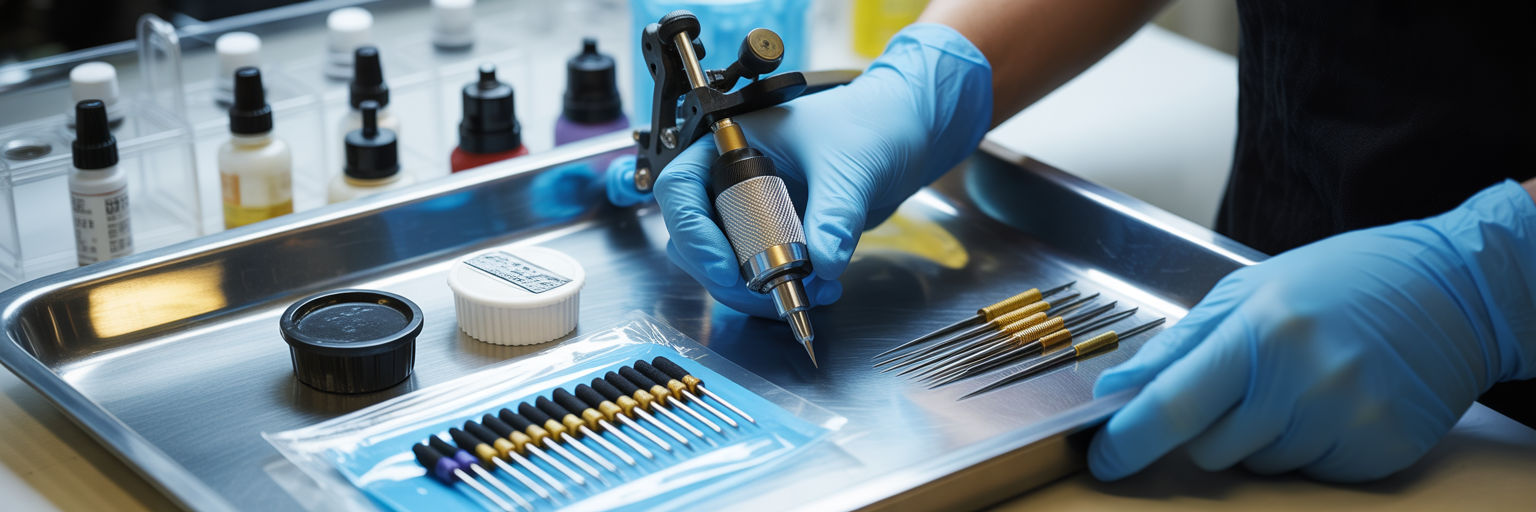
When you step into a studio, your eyes should know what to look for. A truly hygienic tattoo studio operates with transparency, and the tools tell a story. Here is what you should expect to see:
- Single-Use Needles: This is non-negotiable. All needles and cartridges must be new, single-use, and opened from a sealed, sterile package in your presence. As guidance from Southwestern Public Health in Canada explicitly states, needles must remain in their original packaging until the moment of use.
- Autoclave Sterilisation: For any reusable equipment, like metal grips, simple wiping is not enough. These items must be sterilised in an autoclave, a machine that uses high-pressure steam to kill all microorganisms. The artist should retrieve these tools from a sealed sterilisation pouch.
- Barrier Protection: You should see the artist cover their tattoo machine, power supply, and spray bottles with single-use plastic barriers. This prevents cross-contamination between clients, as these items cannot be sterilised in an autoclave.
- Disposable Consumables: Everything from the ink caps and razors to the gloves and paper towels must be single-use. The artist should pour fresh ink into new caps for you and dispose of everything immediately after your session.
Leading studios are proud of their processes. For example, at Memory Lane Tattoo Studio, we believe every procedure should begin with demonstrating the sterility of our equipment to the client, ensuring complete peace of mind.
| Practice Area | Gold Standard (What to Look For) | Red Flag (What to Avoid) |
|---|---|---|
| Needles | New, single-use needles opened from a sealed sterile package in front of you. | Needles taken from an unsealed package or a drawer; any sign of reuse. |
| Reusable Tools (e.g., Grips) | Tools are retrieved from a sealed sterilisation pouch, processed in an autoclave. | Tools are simply wiped down or soaked in a liquid disinfectant. |
| Workstation Surfaces | Tattoo machine, power supply, and bottles are covered in single-use plastic barriers. | Uncovered equipment that the artist touches after gloving up. |
| Consumables | Fresh ink poured into new, single-use ink caps for each client. | Artist dips a needle directly into a large, multi-use ink bottle. |
The Artist's Professional Hygiene Practices
Beyond the tools, the artist’s personal conduct is a critical part of maintaining a sterile environment. A meticulous process shows a deep respect for both the craft and the client’s wellbeing. It starts with the basics: thorough hand washing with soap and water before putting on gloves and after removing them. This simple act is a fundamental step in preventing infection.
Next, observe the use of Personal Protective Equipment (PPE). A professional tattoo artist must wear a new pair of disposable gloves for every client. If they touch a non-sterile surface like their phone, a drawer handle, or even their own face, they must change their gloves immediately before touching your skin again. This diligence is a clear sign of professionalism.
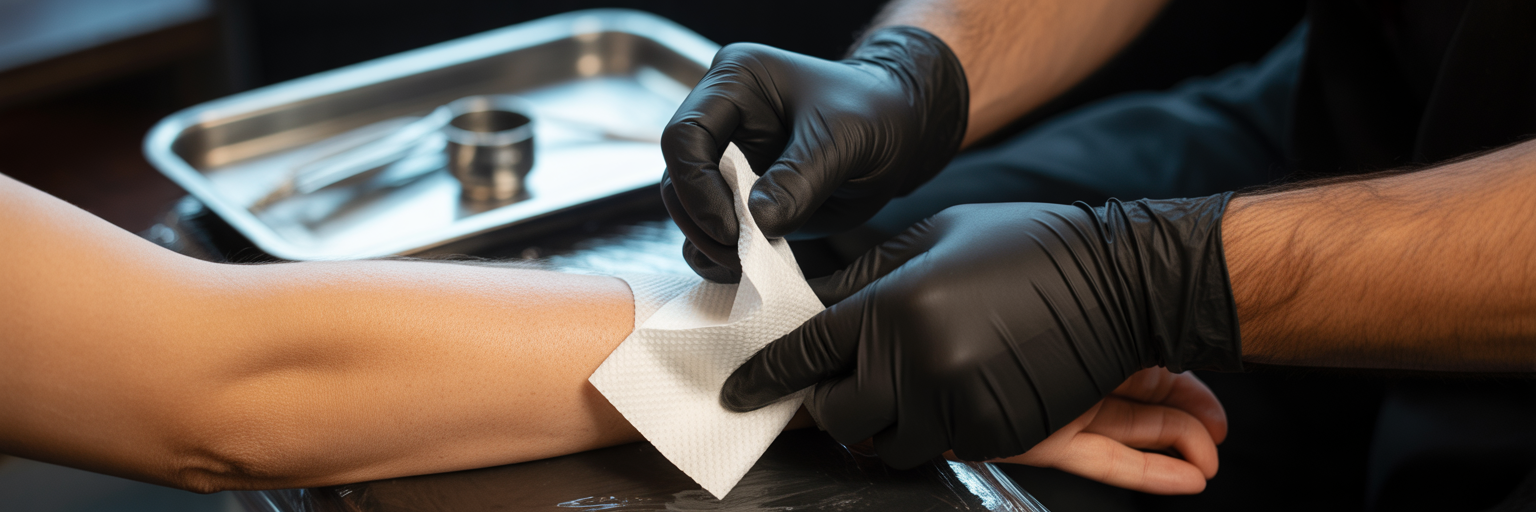
The preparation of your skin is another key moment. The artist should clean the area thoroughly, shave it with a new, single-use disposable razor, and then apply a professional-grade skin antiseptic. Finally, consider the stencil application. Reputable artists use single-use applicators or tongue depressors to apply the stencil gel. As guidelines from Australian authorities like Federation Council warn, shared items like deodorant sticks pose a high risk of cross-contamination and should never be used. An artist’s careful, deliberate process is just as important as their sterile equipment.
What a Clean Studio Environment Looks Like

Your first impression of a studio often tells you everything you need to know. A clean, organised space is a direct reflection of the studio's professional standards. When you walk in, look for non-porous and easily cleanable surfaces, like tile or sealed concrete floors, instead of carpet. The entire space should have bright, adequate lighting, leaving no dark corners where dirt can hide.
A professional studio often has designated zones. The sterile tattooing area should be physically separate from the waiting room and reception desk. This separation helps prevent contaminants from the outside world from entering the clean workspace. Pay attention to how waste is managed. All used needles and other sharp objects must be disposed of in a clearly marked, puncture-proof sharps container. Other contaminated waste, like used gloves and paper towels, should be placed in sealed biohazard bags.
An uncluttered, well-ventilated, and tidy environment is a strong indicator of a studio’s commitment to providing a safe tattoo in Singapore. If the space feels chaotic or dirty, it is a significant red flag. You can often get a sense of a studio's standards before you even visit. A look at a professional studio's website, like the gallery on ours, can offer a glimpse into their commitment to a clean and welcoming environment.
Your Role in a Safe Tattoo Journey
Ensuring a safe outcome is a partnership between you and your artist. Your active participation, from preparation to aftercare, is essential for a smooth healing process and a beautiful final result. Here is how you can play your part:
- Prepare for Your Appointment: Arrive for your session well-rested, hydrated, and having eaten a meal. Your skin should be clean and free of any lotions or oils. It is also important to avoid alcohol for at least 24 hours beforehand, as it can thin your blood and affect the healing process.
- Communicate Openly: Never hesitate to ask questions about hygiene or the sterilisation process. A true professional will welcome your questions and be happy to walk you through their safety procedures. The consultation is the perfect time to address all your concerns. A collaborative studio like Memory Lane Tattoo Studio prioritises this dialogue to ensure clients feel confident and secure before any work begins.
- Follow Aftercare Instructions Precisely: Your artist will provide clear guidance for tattoo aftercare in Singapore. Following these instructions is crucial for proper healing and tattoo infection prevention. As the New Zealand Ministry of Health's guidelines mandate, practitioners must provide clients with comprehensive verbal and written information on wound care.
- Know the Signs of Infection: While rare with proper care, it is important to know what to look for. Key signs include excessive redness or swelling that worsens after a few days, persistent pain, pus or discharge, or a fever. If you experience any of these symptoms, contact a medical professional promptly.