

Ink That Carries History's Weight
Tattoos have always been vessels for stories. In modern Singapore, we see them as chosen art, deeply personal statements of identity, love, or belief. This makes it all the more jarring to remember a time when ink was not a choice but a weapon, used to strip individuals of their very humanity. The Holocaust was a period where a simple mark, forcibly applied, became a tool of oppression.
This article will not dwell on graphic details. Instead, its purpose is to respectfully explore the Holocaust tattoo history and understand how a forced brand of dehumanisation was later reclaimed. It is a story of how survivors and their descendants transformed a symbol of subjugation into one of survival, testimony, and complex identity. We will examine the history behind these marks, the personal stories of those who wore them, and the modern ethical questions surrounding this unique form of remembrance.
The System of Forced Identification
To understand the tattoo's power, we must first understand its origin as a cold, bureaucratic tool. The systematic tattooing of prisoners was a practice unique to the Auschwitz camp complex. It was not an act of random cruelty but a calculated method of control. According to the United States Holocaust Memorial Museum, this system was introduced to solve a grim logistical problem.
The original Auschwitz tattoo meaning was one of total subjugation, turning a person into an inventory item. The process was dehumanising by design. Initially stamped on the chest, the serial number was later moved to the inner left forearm. A single-needle device was used to permanently brand the prisoner with indelible ink, replacing their name with a number.
Here are the key facts about this system:
- Auschwitz was the only concentration camp where prisoners were systematically tattooed with serial numbers.
- The practice began in the autumn of 1941, primarily to identify the bodies of registered prisoners due to high mortality rates.
- The method involved a metal stamp with interchangeable needles or, later, a single-needle device.
- Approximately 400,000 numbers were assigned. It is crucial to note that those sent directly to the gas chambers upon arrival were not registered and therefore not tattooed.
From the perspective of the camp administration, this was purely about management. It stripped people of their names, their pasts, and their individuality, reducing them to a sequence of digits in a vast and horrific ledger. This forced mark was the ultimate symbol of their loss of freedom and identity.
From Trauma to Testimony
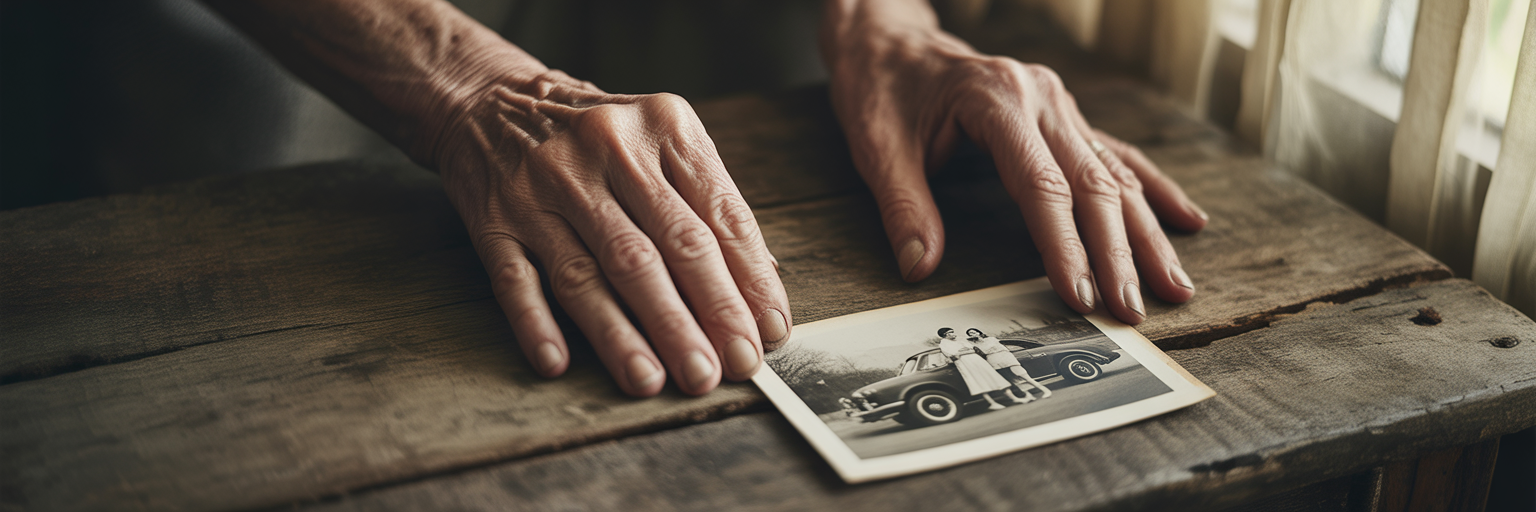
After liberation, the tattoo’s meaning began a profound and painful transformation. For survivors, the number on their arm was a permanent, physical reminder of unimaginable trauma. It was a scar that could not be hidden from oneself, a daily confrontation with a past of starvation, loss, and brutality. Many chose to conceal it under long sleeves, unwilling or unable to bear the constant reminder or the questions from strangers.
Yet, for others, this same mark became undeniable proof of survival. In a world where some would later attempt to deny the Holocaust, the tattoo was an irrefutable piece of evidence. It was a silent, involuntary testimony etched into their skin. It said, “I was there. This happened.” This duality is central to understanding the post-war experience. The mark of what was lost—name, family, freedom—slowly became a testament to what could not be destroyed: the human will to live and to bear witness.
Some survivors actively used their tattoos as an educational tool. By showing the number to younger generations, they ensured the history would not be diluted or forgotten. They reclaimed a measure of agency over the symbol, turning it from a brand of shame into a badge of resilience. In doing so, they began the long process of transforming a symbol of dehumanisation into a powerful statement of endurance.
A New Generation's Memorial Ink
In recent years, a new phenomenon has emerged: survivor descendant tattoos. This is a modern form of embodied memorialisation, where the body itself becomes a living monument to a family's history. As the last generation of survivors passes away, their children and grandchildren are finding new ways to carry the mantle of remembrance. These are not acts of appropriation but of deep, personal connection.
The motivations behind these memorial tattoos for family are complex and deeply felt. For many, it is a way to honour an ancestor and forge a tangible link to a history that might otherwise feel distant. As reported by outlets like the Smithsonian Magazine, these tattoos often act as conversation starters. They can break long-held silences within families, prompting discussions about a difficult past and ensuring the stories are passed down.
The designs vary. Some descendants choose to replicate the exact number in the same location on their arm, creating a direct visual link to their relative. Others modify the design by placing it elsewhere on their body or incorporating other symbols, like a Star of David or a flower. This distinction is important, as it separates their act of voluntary remembrance from the original act of forced oppression. It is a conscious choice to carry a story forward, ensuring that the memory of a loved one, and the history they represent, continues to live on.
The Complex Ethics of Commemoration
The practice of creating memorial tattoos is not without controversy, and it sparks important conversations about how we honour memory. The ethical tattoo considerations are deeply personal and rooted in cultural, religious, and individual beliefs. There is no simple consensus, and the debate highlights the profound weight these symbols carry.
A key point of contention is the prohibition against tattoos in traditional Jewish law (Halakha), which makes the voluntary act of getting tattooed a sensitive issue for some within the community. The arguments surrounding these tattoos can be structured as follows:
- Arguments Against: Some community leaders and family members express concern that replicating the tattoo trivialises the original suffering. They argue that turning a mark of forced branding into a voluntary choice diminishes the horror of the experience. There is a fear that it could normalise a symbol of unimaginable oppression, detaching it from its horrific context.
- Arguments For: Proponents, often the descendants themselves, see it as a powerful act of reclamation. They view it as taking a symbol of hate and transforming it into a badge of defiance, identity, and a promise to "never forget." As some academic studies on what are termed 'progenic tattoos' highlight and as seen in research published by SAGE Journals, this is an act of reclaiming memory and asserting a continued connection to their heritage.
Ultimately, there is no easy answer. The decision to get such a tattoo is deeply personal, reflecting an ongoing and difficult conversation about trauma, identity, and the most meaningful ways to ensure history is never forgotten.
The Enduring Weight of Ink and Memory
The journey of the Holocaust tattoo is a powerful narrative of transformation. It began as a bureaucratic tool of dehumanisation, became a survivor's mark of testimony, and has now evolved into a descendant's complex act of memorialisation. This ink carries a historical and emotional weight unlike any other form of body art, reminding us that tattoos can do more than decorate. They can bear witness, preserve memory, and carry the most significant stories of our lives.
This history serves as a profound reminder of the responsibility that comes with marking one's skin. For those in Singapore considering how to commemorate their own heritage, finding an artist who understands the gravity of such stories is essential. At our studio, we believe in collaborative storytelling, ensuring that the meaningful tattoo ideas Singapore clients bring to us are realised with the respect and artistry they deserve. We are founded on the principle that each piece of art should be as significant as the story it represents, a philosophy you can explore further on our website.