
The Importance of Proper Healing for Your New Tattoo
Receiving a new tattoo is the culmination of a deeply personal and collaborative journey. This bespoke piece of art, designed to reflect your story, is a significant investment in self-expression. The process, however, does not end when you leave the studio. A fresh tattoo is a delicate open wound, and its final appearance depends entirely on the care it receives in the following weeks. Understanding how to care for a new tattoo is the final step in our partnership to protect the integrity of your artwork.
The quality of your aftercare directly determines the vibrancy, clarity, and longevity of the design. By avoiding a few common yet critical mistakes, you ensure the art heals exactly as intended. This commitment preserves the crisp lines and rich colours we worked together to create, preventing complications like infection or premature fading and ensuring your tattoo remains a timeless reflection of your vision.
Common New Tattoo Aftercare Mistakes to Avoid
The initial days of healing are foundational to your tattoo's future. Many well-intentioned actions can unfortunately lead to poor results. The most frequent new tattoo aftercare mistakes involve the delicate balance of cleaning and moisturizing. Getting these two steps right creates the ideal environment for your skin to repair itself and lock in the ink beautifully.
Improper Moisturizing: Finding the Right Balance
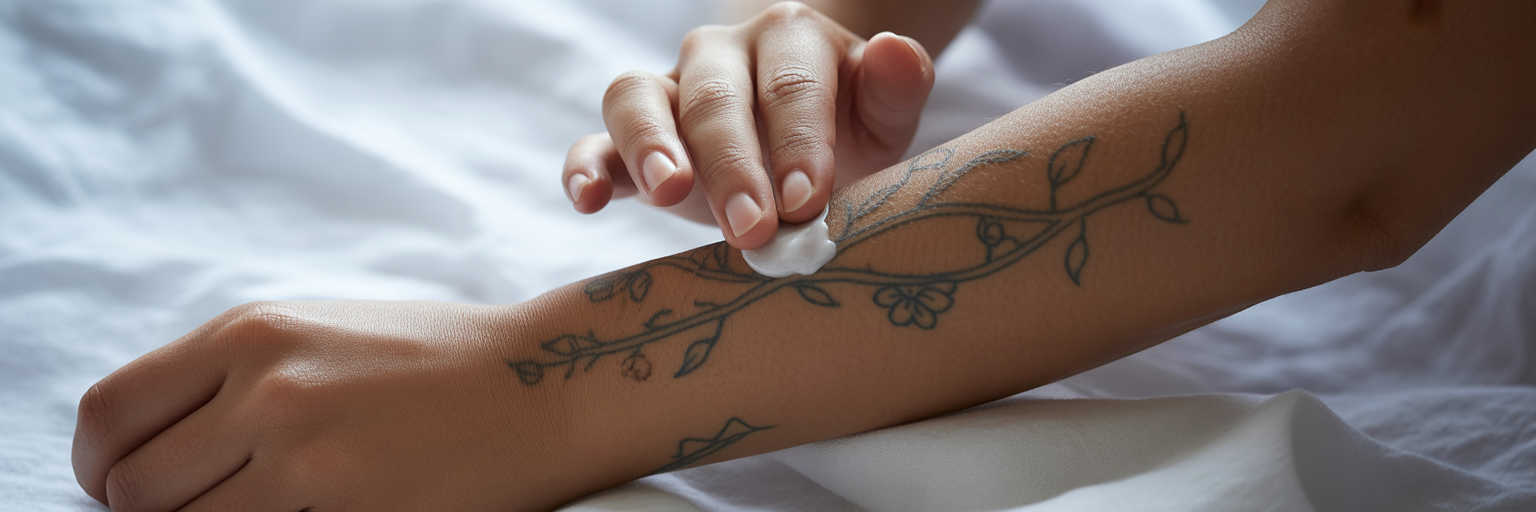
Moisture is essential for healing, but the amount is critical. Over-moisturizing is a common error, where a thick layer of ointment can suffocate the skin. This traps moisture and bacteria, creating a breeding ground for infection and potentially causing ink to bubble or leach out. Conversely, allowing the tattoo to become too dry can lead to thick, heavy scabbing. These scabs may crack when you move, or if they fall off prematurely, they can pull ink out with them, leaving behind patchy or faded areas in your design.
Correct Cleaning Protocol for a Healing Tattoo
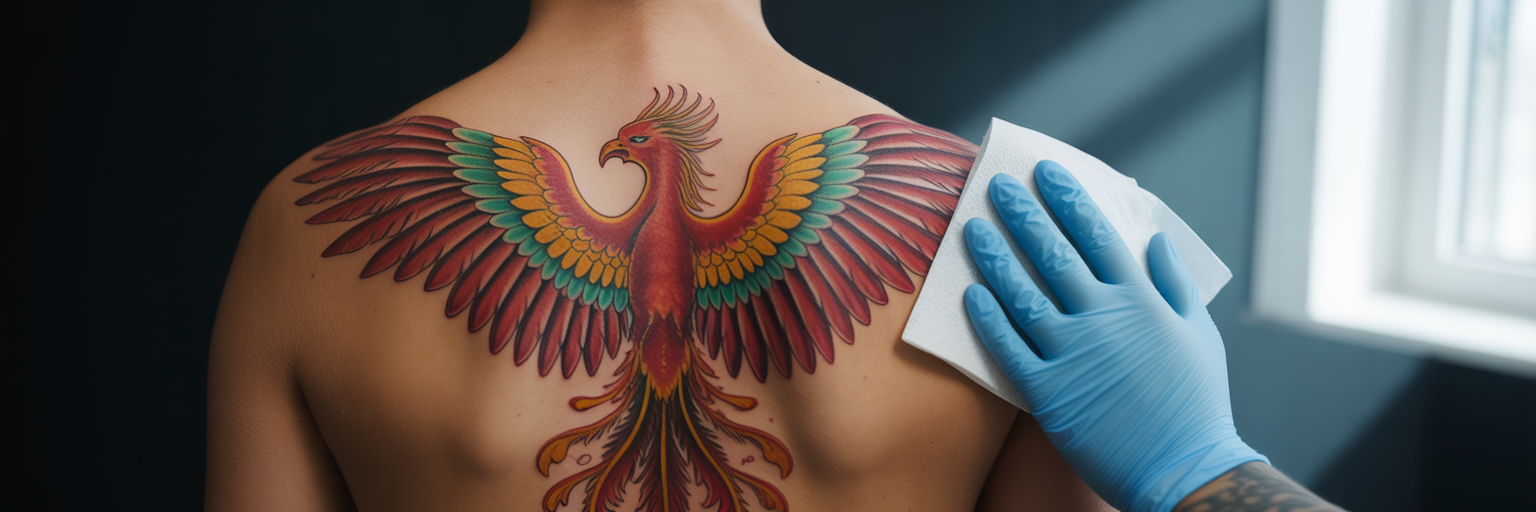
Proper cleaning removes bacteria and excess plasma without damaging the fragile new skin. The method is simple but must be followed precisely. Use lukewarm water and a gentle, fragrance-free antimicrobial soap. Lather the soap in your hands before applying it to the tattoo with very light pressure. Rinse thoroughly and then pat the area dry with a clean paper towel. Avoid using a fabric bath towel, as it can harbor bacteria and the rough texture can irritate the healing skin. As experts at Medical News Today advise, once dry, apply a very thin layer of a fragrance-free, artist-recommended lotion, avoiding heavy petroleum-based products.
| Action | Correct Method | Incorrect Method (To Avoid) |
|---|---|---|
| Cleaning | Gentle wash with antimicrobial soap and lukewarm water. | Scrubbing with harsh soap or using hot water. |
| Drying | Patting dry with a clean paper towel. | Rubbing with a fabric towel that can harbor bacteria. |
| Moisturizing | Applying a very thin layer of artist-recommended lotion. | Slathering on thick, petroleum-based ointments. |
| Frequency | Clean and moisturize 2-3 times daily or as advised. | Over-washing or letting the tattoo dry out completely. |
Why Soaking Your New Tattoo Is a Major Risk
One of the most important rules of tattoo aftercare is to avoid submerging your new artwork in water. While gentle washing is necessary, soaking is strictly off-limits for at least three to four weeks. This is a non-negotiable step to avoid tattoo infection and protect the visual quality of your design. Prolonged exposure to water can oversaturate the healing skin, causing ink to leach out and resulting in a faded, blurry, or patchy appearance.
More seriously, standing water is often teeming with bacteria. Submerging an open wound like a new tattoo exposes it to harmful microorganisms that can cause severe infections. As highlighted by medical professionals at the Cleveland Clinic, this risk is significant and can lead to serious health complications that require medical intervention. To protect your investment, you must avoid:
- Baths and hot tubs
- Swimming pools
- Saunas and steam rooms
- Natural bodies of water, such as the sea at Sentosa or East Coast Park
Showering is perfectly fine. Simply keep your showers brief and try to prevent the stream of water from directly hitting the tattoo. After showering, gently pat the area dry with a clean paper towel and follow your moisturizing routine.
Resisting the Urge to Pick, Scratch, or Peel
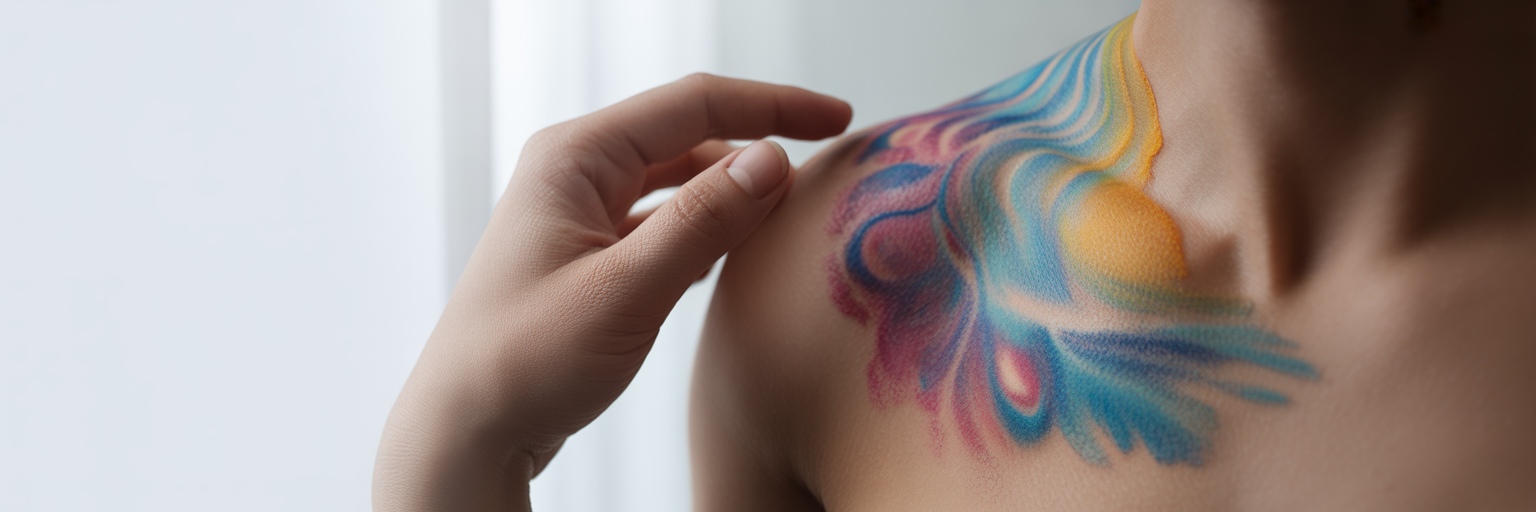
As your tattoo heals, it is completely normal for it to itch and flake. This is a positive sign that your body is repairing the skin. However, giving in to the temptation to pick, scratch, or peel the healing layers can be disastrous for your artwork. This action can physically pull ink from the dermis, leading to permanent gaps, patchy colour, and even scarring that compromises the integrity of the design we created together.
Patience is your greatest tool during this phase. Your body knows how to heal, and allowing the scabs and flakes to fall off naturally is essential for a crisp result. As confirmed by health experts in aftercare guides like one from Acibadem International, picking at healing skin is a primary cause of poor outcomes. If the itching becomes intense, here are two safe ways to find relief:
- Gently pat or slap the area with a clean hand. The light impact can disrupt the itching sensation without causing damage.
- Apply another very thin layer of your approved moisturizer. Dryness often intensifies itching, and proper hydration can provide immediate comfort.
Protecting Your Art from Sun and Friction
Once you have the cleaning and moisturizing routine down, the next step is protecting your healing tattoo from physical threats. The two most common culprits are sun exposure and friction, both of which can irritate the skin and damage the final look of your art. This is especially important for the tattoo healing process Singapore residents navigate, where heat and humidity add another layer of complexity.
Direct sun exposure on a new tattoo is extremely harmful. UV rays can cause inflammation, prolong healing, and begin to break down the ink pigments before they have even settled. This is a direct path to tattoo fading prevention failure. It is critical to understand that you should never apply sunscreen to a healing tattoo, as the chemicals can irritate the open wound and cause a painful reaction. The only safe sun protection during this phase is to keep the tattoo completely covered with clothing.
This leads to the second threat: friction. Tight clothing, rough fabrics, or even a rubbing bag strap can chafe the delicate healing surface, causing irritation and potentially lifting ink. Opt for loose, soft, and breathable fabrics like cotton to allow air to circulate and minimize contact with the tattoo. Protecting your art from these environmental factors ensures the skin heals smoothly and the ink remains vibrant.
Ensuring Your Tattoo's Long-Term Vibrancy
Caring for your tattoo is a lifelong commitment to preserving the art you invested in. Once the initial healing phase is complete, a few simple habits will ensure your design remains sharp and vibrant for decades. The most important long-term practice is sun protection. After your tattoo is fully healed, always apply a high-SPF, broad-spectrum sunscreen to the area before sun exposure. UV radiation is the leading cause of ink fading over time.
Secondly, continue to keep your skin moisturized. Healthy, hydrated skin displays ink with much greater clarity and richness than dry, dull skin. By incorporating these two habits into your routine, you honour the artistry and personal significance of your tattoo. Our collaboration extends beyond the studio, and we are here to support you throughout your journey. If you have any questions or are ready to plan your next piece, please contact us at Memory Lane Tattoo Studio. We are your partners in art, for life.