
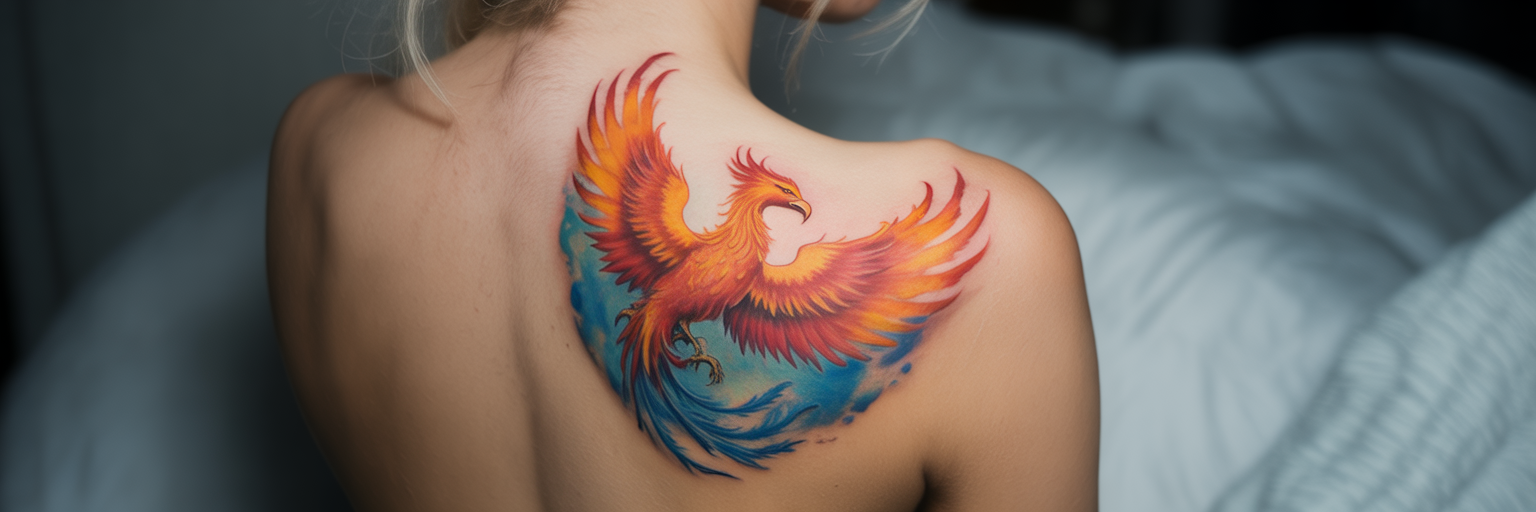
Your Tattoo's Next Chapter
That tattoo you got a decade ago might feel like a page from a different story. It’s a common feeling. The art that once defined a moment in your life may not reflect the person you are today. This isn’t a sign of regret, but a mark of personal growth. Your skin tells a story, and stories evolve. A cover-up tattoo is not about erasing the past. It is a creative act of transformation, a chance to turn a faded memory into a vibrant new statement.
Think of it as a collaboration. You bring the story and the history of your skin, and a skilled artist brings the vision and technique to weave a new narrative. Modern methods and a deeper understanding of ink have made transforming old tattoos more achievable than ever before. Even dark, dense, or awkwardly placed pieces can become the foundation for something beautiful and new. This journey is about looking forward, embracing change, and commissioning a piece of art that truly represents you now.
Evaluating Your Existing Ink
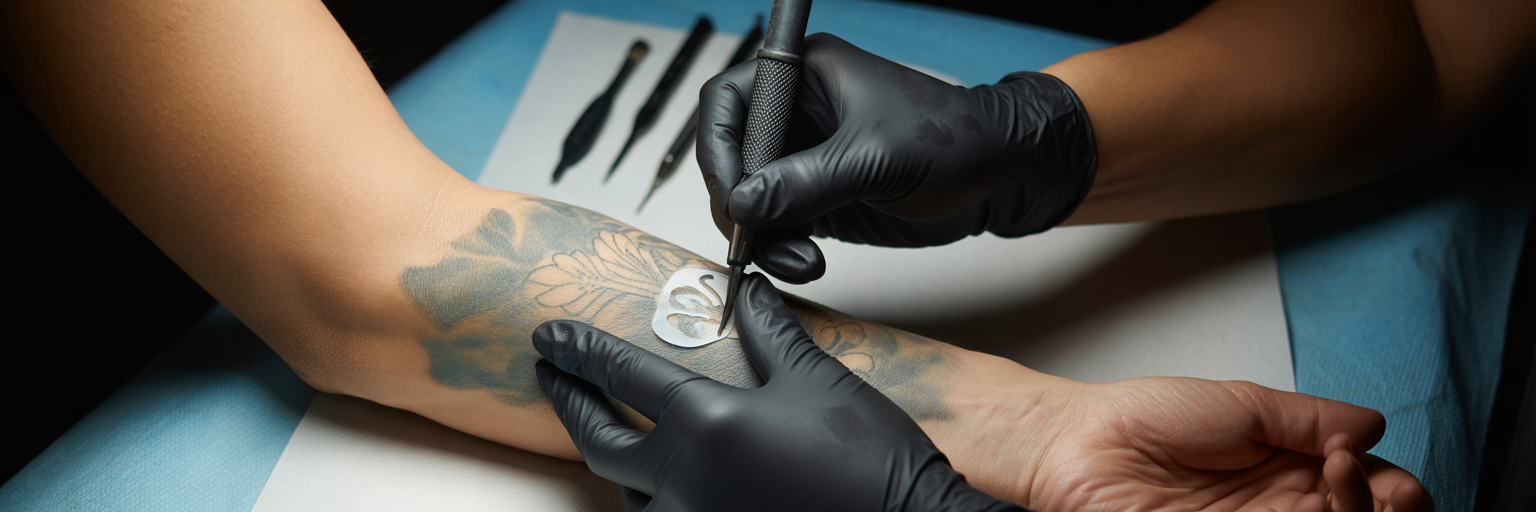
Before an artist can begin designing your new piece, they must first become an expert on your old one. This initial assessment is a critical part of the tattoo cover-up process, where technical limitations meet creative possibilities. An artist will look at your existing ink with a trained eye, considering several key factors that will shape the final design.
Understanding these elements helps you set realistic expectations and collaborate more effectively with your artist. Here’s what they are looking for:
- Age and Fading: An older, more faded tattoo is like a softened pencil sketch. The ink has dispersed and lightened over time, providing a much cleaner canvas for a new design to sit on top of. A fresh, bold tattoo requires a more strategic approach.
- Color Saturation: This is perhaps the most significant factor. Dense, dark inks, especially black and deep blue, are the most challenging to conceal. They act as a strong base color that the new design must overpower.
- Size and Density: The original tattoo’s footprint determines the minimum size of the new piece. A cover-up must always be larger than the tattoo it is hiding to ensure the old lines and shapes are completely absorbed into the new artwork.
- Location and Skin Tone: The placement on your body can influence how ink settles and how a design flows. Your natural skin pigmentation also plays a role in how the final colors will appear once healed.
In some cases, especially with very dark tattoos, an artist might suggest a few sessions of laser fading. This isn't about complete removal. It's a strategic tool to lighten the old ink just enough to dramatically expand your design options, turning a seemingly impossible cover-up into a world of new possibilities.
Choosing the Perfect New Design
With a clear understanding of your existing tattoo, the creative part of the journey begins. The first rule of a successful cover-up is a bit counterintuitive: the new design will almost always need to be larger and incorporate darker pigments than the original. This isn't an artistic preference but a technical necessity. The new ink needs to dominate the old, and darker colors are essential for creating depth and ensuring complete concealment.
Certain styles are naturally suited for this task. The best cover-up tattoo styles use composition, shading, and detail to their advantage. Some effective options include:
- Japanese Style: The dense, flowing backgrounds of traditional Japanese tattoos, such as waves, clouds, and wind bars, are perfect for swallowing old lines and awkward shapes.
- American Traditional: This style’s signature bold outlines and heavy black shading create powerful imagery that can easily obscure what lies beneath.
- Floral and Botanical: The organic, overlapping shapes of leaves, petals, and vines offer endless possibilities for creating a complex and beautiful design that cleverly masks an old tattoo.
- Blackwork or Abstract: For those seeking a bold statement, leveraging large areas of solid black can completely obliterate an old piece, creating a powerful new form.
Color theory is also a key tool. An artist might use cool tones like blues and purples to neutralize and cover old black ink. As noted by the artists at VITIUM Tattoo, rich detail and high contrast are incredibly effective because they draw the eye to the new elements, making the underlying tattoo disappear. Sometimes, the best cover-up tattoo ideas come from finding clever ways to incorporate parts of the old design into the new one, creating a truly unique and layered piece of art.
| Tattoo Style | Key Strengths for Cover-Ups | Best For Covering |
|---|---|---|
| Japanese (Irezumi) | Dense backgrounds (waves, wind bars), rich color palettes, and large scale. | Large, awkward shapes and faded color pieces. |
| American Traditional | Bold black outlines, heavy black shading, and a limited, strong color palette. | Old, smaller tattoos with defined lines. |
| Floral/Botanical | Organic shapes, intricate details (petals, leaves), and opportunities for dark shading. | Script, tribal patterns, and irregularly shaped tattoos. |
| Realism/Black & Grey | Uses deep contrast, soft shading, and texture to create depth and hide old ink. | Faded tattoos that can be incorporated into new textures (e.g., fur, stone). |
Partnering with Your Cover-Up Specialist

It is essential to understand that cover-ups are a specialized skill. A great tattoo artist may not be a great cover-up artist. This work requires a unique combination of technical knowledge, creative problem-solving, and foresight. When searching for a professional, your first step should be to examine their portfolio. Look for a dedicated section of cover-up work with clear before-and-after photos. A strong portfolio will show more than just a darker tattoo placed over an old one; it will demonstrate complete concealment and a beautiful, cohesive new design that stands on its own.
The consultation is a collaborative strategy session. This is your opportunity to share your vision, the story you want to tell, and the styles you are drawn to. In turn, the artist will provide expert feedback on what is technically feasible, offering tattoo redesign tips based on the specific challenges of your existing piece. This partnership must be built on trust. You have to be open to your artist’s suggestions, as they understand the constraints of ink and skin. They know which colors will effectively cover black, how to use shading to create illusions of depth, and how to design a composition that flows naturally while hiding what’s underneath.
This is where studios dedicated to bespoke artistry, like the work we do at Memory Lane Tattoo Studio, exemplify the expertise you should seek. Finding an artist who listens to your story and translates it into a technically sound and artistically beautiful solution is the key to a successful transformation. You are not just looking for a technician; you are looking for a creative partner to help you start your tattoo's next chapter.
Protecting Your Transformed Art
Once the final drop of ink is in, your journey isn't quite over. Aftercare is always important, but it is even more critical for a cover-up. The process often involves denser ink packing and working over an area of skin that has already been tattooed, which can mean more initial trauma to the skin. Proper healing is what ensures the old tattoo stays hidden and the new art looks its best for years to come.
Follow your artist’s instructions carefully. While specifics may vary, the core principles remain the same:
- Keep the area clean using a gentle, unscented soap and lukewarm water. Pat it dry, never rub.
- Apply a very thin layer of the recommended aftercare ointment. Too much can suffocate the skin and hinder healing.
- Avoid soaking the tattoo. This means no long baths, swimming pools, or hot tubs until it is fully healed.
- Protect your new art from the sun. UV rays are the primary cause of tattoo fading, so keep it covered during healing and use a high-SPF sunscreen for life.
Don't be surprised if your artist mentions a potential touch-up session. This is a normal part of the process for complex cover-ups. Once the tattoo is fully healed, small areas of the old ink might peek through. A quick touch-up can address these spots and perfect the final piece. You have successfully turned a piece of your past into a new work of art that truly represents you. Wear it with pride.