
Finding the Perfect Spot for Your Custom Tattoo Design
A masterpiece is not just about the image; it is about the canvas it adorns. In tattoo artistry, your body is that canvas, and choosing the right placement is the first step in creating a truly personal work of art. The placement of your custom tattoo design is as vital as the artwork itself, shaping the story it tells and how it integrates with your form. This decision is a personal one, reflecting your lifestyle, comfort, and aesthetic preferences.
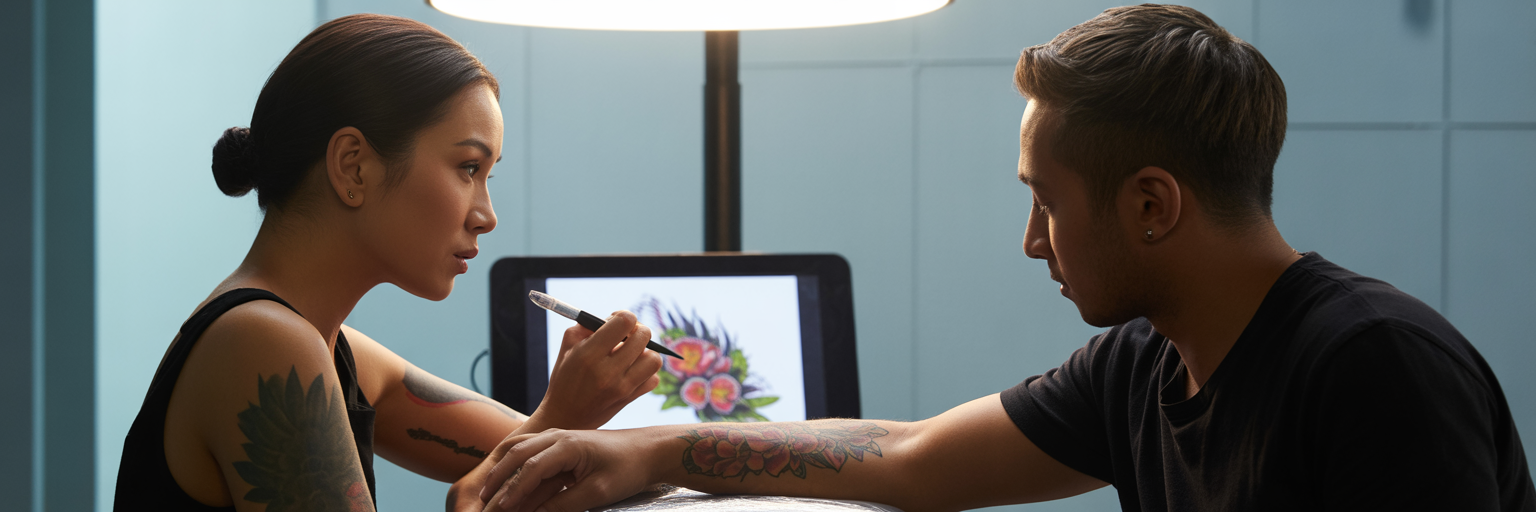
Finding the perfect spot is a collaborative journey. An experienced artist provides expert guidance on how a design will fit, feel, and age on different parts of the body. They help you consider how the artwork will move with you and how its details will hold up over time. This partnership is central to our philosophy at Memory Lane Tattoo Studio, where every design begins with a conversation. Together, we ensure the final piece is not only beautiful but also a timeless reflection of your story, placed perfectly to honour both the art and you.
Understanding Pain Tolerance and Body Geography
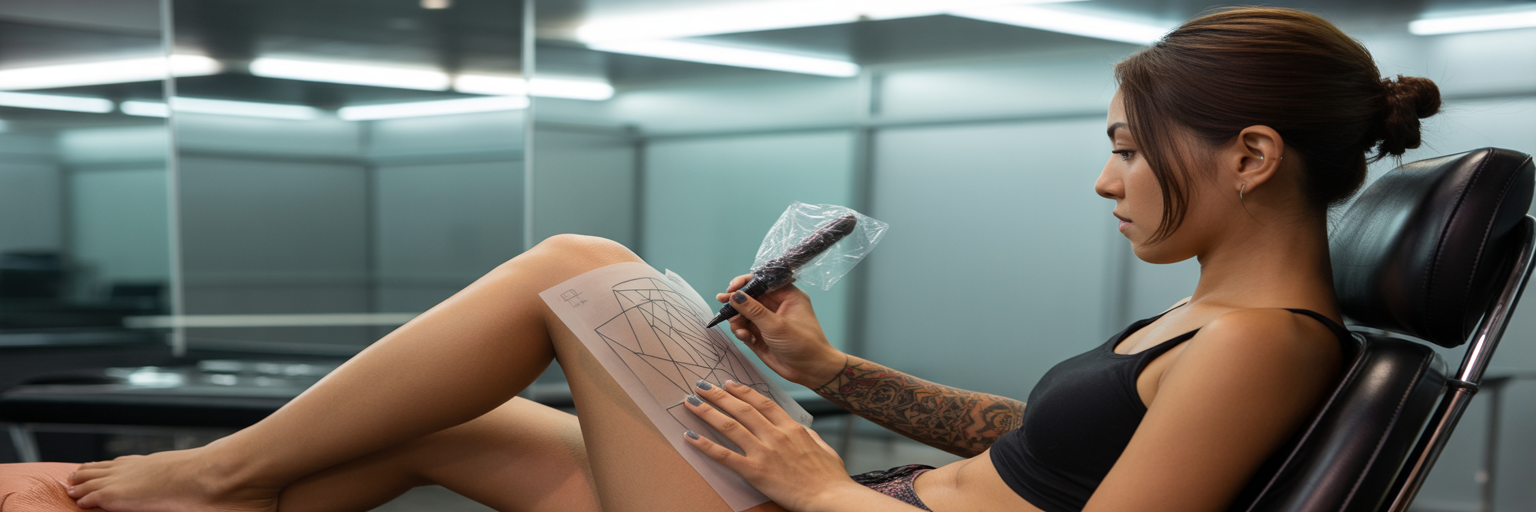
A common question we hear from clients is about the pain associated with getting a tattoo. While pain is subjective and varies from person to person, it generally follows predictable anatomical rules. Understanding your body's geography can help you select a placement that aligns with your comfort level, especially for your first piece. Areas with more muscle and fat act as natural cushions, while bonier areas with thinner skin tend to be more sensitive.
Less Sensitive Areas: Ideal Spots for a First Tattoo
For those new to tattoos, certain placements offer a gentler introduction. These spots are often recommended as the best place for a first tattoo because they are less sensitive.
- Outer Thigh and Bicep: These areas have ample muscle and fat padding with fewer nerve endings, making them relatively comfortable for tattooing.
- Forearm and Calf: Generally fleshy, these spots provide a good canvas with moderate sensitivity, though pain can increase closer to the wrist or ankle bones.
- Shoulder and Outer Arm: The deltoid muscle offers good padding, but be mindful that sensitivity increases as the design approaches the collarbone or armpit.
More Sensitive Areas: What to Expect
Some of the most striking placements are also the most sensitive. It is important to be prepared if you choose one of these areas. As experts note, areas with higher nerve density and proximity to bone are consistently more painful. You can find more details on this in guides like the one from Tattooed.co.
- Rib Cage and Sternum: With thin skin stretched directly over bone, these areas are known for being highly sensitive.
- Spine: The close proximity to the spinal column and its network of nerves makes the back's centreline a challenging spot.
- Hands, Feet, and Ankles: These extremities are bony and have a high concentration of nerve endings, resulting in a more intense sensation.
To help you visualise this, we have prepared a general tattoo pain chart based on client feedback and anatomical principles.
| Body Part | General Pain Level (1-10) | Reason for Sensitivity |
|---|---|---|
| Outer Thigh / Bicep | 2-4 | Ample muscle and fat padding, fewer nerve endings. |
| Forearm / Calf | 3-5 | Fleshy with some muscle, but closer to bone in certain spots. |
| Shoulder / Outer Arm | 3-5 | Good padding over the deltoid, but pain increases near the collarbone. |
| Chest / Stomach | 5-7 | More sensitive, especially over the sternum and near the ribs. |
| Back (Spine) | 7-9 | Very sensitive due to direct proximity to the spinal column and nerves. |
| Rib Cage | 8-10 | Thin skin directly over bone with many nerve endings; considered a high-pain area. |
| Hands / Feet / Ankles | 8-10 | Bony structure, thin skin, and high concentration of nerve endings. |
This table provides a general guide to pain levels. Individual experiences may vary based on personal pain tolerance, artist technique, and the specific design. This information is based on client feedback and anatomical principles referenced by tattoo professionals.
Considering Visibility and Your Professional Lifestyle
Beyond the physical sensation, the visibility of your tattoo is a significant consideration. Your choice of placement determines whether your art is a public statement or a private treasure. This decision often involves balancing personal expression with professional and social contexts, a point echoed by many artists and collectors as highlighted by sources like Hyperinkers.
Discreet vs. Visible Placements
A tattoo on the back, thigh, or hip remains a personal piece, easily concealed by clothing. These placements are ideal for individuals who prefer to keep their body art private. In contrast, tattoos on the hands, neck, or forearms are highly visible, becoming a constant part of your public identity. Choosing a prominent placement is a bold statement of self-expression, but it is one that requires careful thought about its daily implications.
Navigating Workplace Norms in Singapore
When considering tattoo placement in Singapore, it is important to be mindful of professional environments. While acceptance of tattoos is growing, some industries remain more conservative than others. For clients navigating these norms, versatile placements offer the best of both worlds. An upper arm tattoo can be covered by a short-sleeved shirt, while an ankle piece remains discreet under trousers. A consultation with an experienced artist who understands the local culture is invaluable. They can provide credible advice tailored to your situation, helping you avoid the often irrelevant or misleading information found online and make a choice that feels right for you.
How Placement Affects Your Tattoo's Longevity
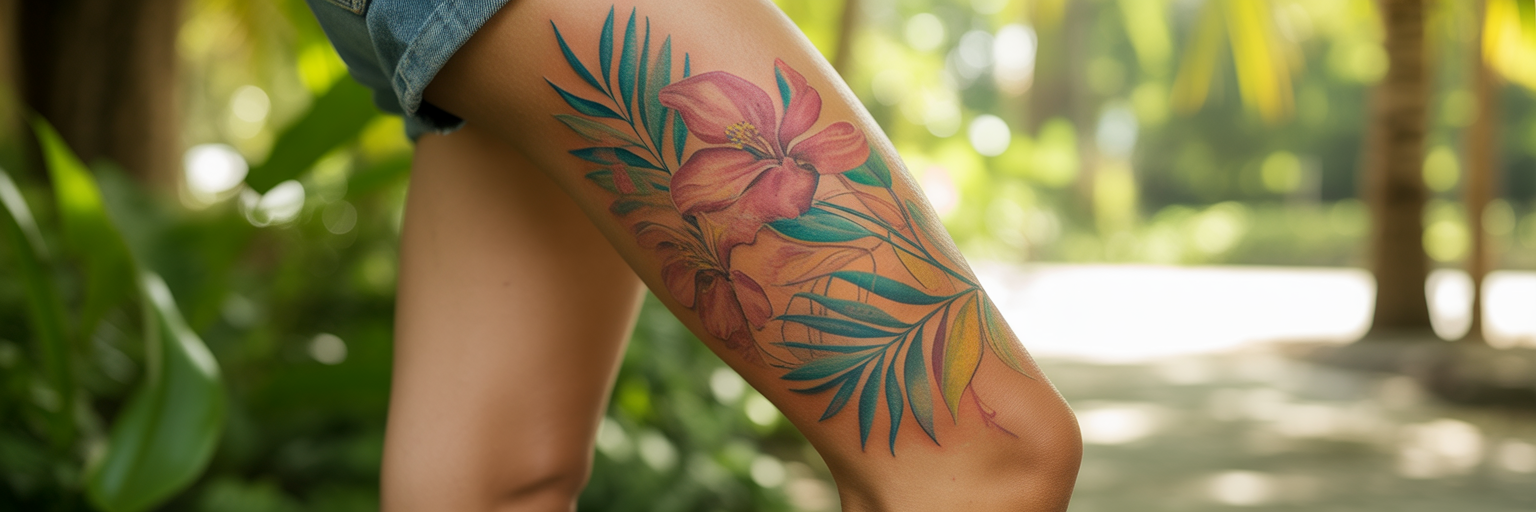
Once your tattoo is complete, you want it to remain crisp and vibrant for a lifetime. The placement you choose plays a crucial role in how well the artwork ages. Sun exposure and friction are the two primary factors that can degrade a tattoo's clarity over time, making some areas better suited for preserving intricate details.
The Impact of Sun Exposure in a Tropical Climate
Living in Singapore means year-round exposure to strong UV rays. Sunlight is the number one cause of tattoo fading, breaking down ink pigments and causing colours to lose their intensity. Placements that are frequently exposed, such as the hands, forearms, shoulders, and neck, require diligent sun protection. Proper tattoo aftercare in Singapore must include a high-SPF sunscreen applied regularly to keep your art looking its best. Without it, fine lines can blur and black ink can fade to grey.
Friction, Movement, and Ink Integrity
Certain parts of your body experience more friction and movement than others. As explained by studios like Jade & Dagger, areas subject to constant motion, such as fingers, elbows, and feet, are known to experience faster ink degradation. The skin in these areas regenerates more quickly, and the constant rubbing from clothing or daily activities can cause ink to fade or "fall out," requiring more frequent touch-ups. For designs with fine details or delicate shading, stable and protected areas like the inner bicep, calf, or upper back are excellent choices for ensuring long-term clarity and vibrancy. Our artists at Memory Lane Tattoo Studio can provide tailored advice to protect your investment and keep your art vibrant for years to come.
Matching the Placement to Your Tattoo Style
The final piece of the puzzle is ensuring your chosen placement complements the artistic style of your tattoo. A great design can be further enhanced when it works in harmony with the body's natural lines and curves. This concept, known as anatomical flow, is about creating a composition where the art and the body become one. An artist helps you see how a design will wrap, stretch, and settle on your skin, ensuring the final result is both flattering and dynamic.
Different styles lend themselves to different placements. To see how various styles work with the body, you can explore a portfolio of bespoke artwork created in our studio. Here are a few examples to guide your thinking:
- Flowing, Organic Designs: Styles like watercolour, script, or botanical illustrations are best on areas that follow the body's contours. A design that wraps around a forearm or flows down the spine creates a sense of movement and elegance.
- Symmetrical or Detailed Artwork: Hyper-realism, geometric patterns, and mandalas require a flat, stable surface to prevent distortion. The chest, upper back, or outer thigh provide a broad canvas that preserves the integrity of these intricate designs.
- Minimalist and Fine-Line Tattoos: If you are looking for fine line tattoo ideas, these delicate designs are perfect for smaller, more intimate spots. The inner wrist, behind the ear, collarbone, or ankle can host these subtle pieces beautifully, turning them into personal, hidden gems.
Finalising Your Choice in a Collaborative Consultation
Choosing your tattoo placement is a decision that brings together personal meaning, physical comfort, lifestyle, and artistic composition. While online research provides a starting point, the most crucial step is the collaborative consultation with your artist. This conversation is where your vision meets professional expertise, transforming an idea into a tangible plan.
During a consultation, we do more than just talk. We use a temporary stencil to show you exactly how the tattoo will look on your body. This allows you to see its size, position, and flow in real time, making adjustments until it feels perfect. It is your opportunity to ask questions and express any concerns, ensuring you feel completely confident in your choice. This collaborative process is fundamental to creating art that you will love for a lifetime.
Ultimately, the right placement is the final touch that turns a custom tattoo design into a unique piece of personal art. It ensures the work is not just on you, but a part of you. We invite you to begin your own collaborative journey with us to create something truly meaningful and timeless.