
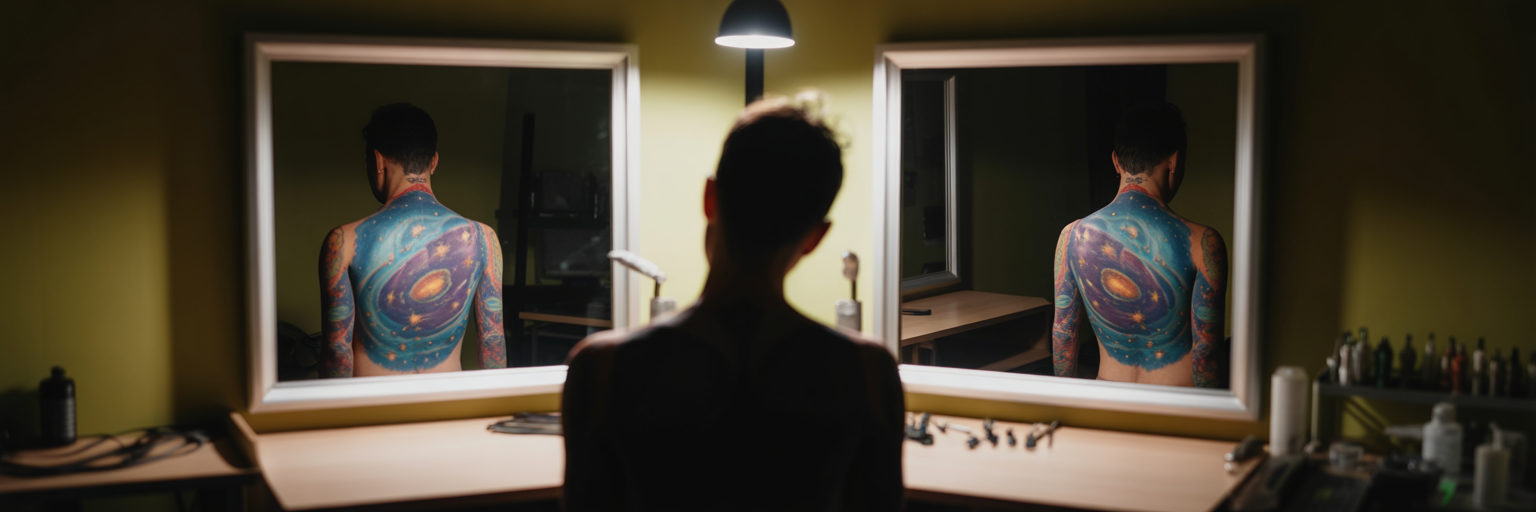
Our personal stories are not static. They evolve, deepen, and change direction, and the art we choose to wear on our skin can reflect these beautiful transformations. A cover-up tattoo is not about hiding a past decision, but about creating a new chapter that represents who you are today. The standards for a quality cover-up tattoo Singapore artists uphold are centered on this very principle of artistic evolution. It is an opportunity to reclaim a part of your story with a piece that is intentional, meaningful, and masterfully executed.
The back and chest offer unique advantages for this process. As large, stable canvases, they provide ample space for expansive and detailed artwork that can breathe and flow with your body. This allows for a level of artistry that smaller areas cannot accommodate. The journey begins with a collaborative partnership, a conversation between your personal vision and an artist’s expertise. Together, you can transform an old mark into a new masterpiece that you will wear with pride and confidence for years to come.
The Art of the Cover-Up Tattoo Transformation
A successful cover-up is far more than just placing a new image over an old one. It is a sophisticated artistic challenge, akin to solving a visual puzzle. The objective is not simply to conceal, but to create a completely new composition that is balanced, beautiful, and stands on its own merit. A common guideline is that the new tattoo will need to be at least two to three times larger than the original piece. This additional space is not for excess, but is essential for the artist to work their magic.
This expanded canvas allows an artist to strategically use darker pigments to obscure the old ink while employing lighter tones, negative space, and intricate details to draw the eye away from the covered area. The new design becomes the focal point, and the old tattoo is integrated seamlessly into the new composition. This is where the concept of anatomical flow becomes critical. A skilled artist will use the natural lines of your body, such as the curve of your spine, the shape of your collarbones, or the sweep of your shoulder blades, to inform the design. This ensures a chest piece cover-up or back piece feels harmonious and intentional, moving with you rather than sitting statically on your skin.
The core principles of a professional cover-up include:
- Strategic Composition: Designing a new piece that uses flow, texture, and detail to guide the viewer's eye, making the old tattoo disappear into the new artwork.
- Colour Theory Application: Using darker, cooler tones like blues, browns, and blacks to effectively neutralize and cover old ink, while brighter colours create new focal points.
- Size and Placement: Ensuring the new design is sufficiently large to allow for proper integration and distraction, creating a balanced and aesthetically pleasing result.
Effective Tattoo Styles for a Flawless Finish
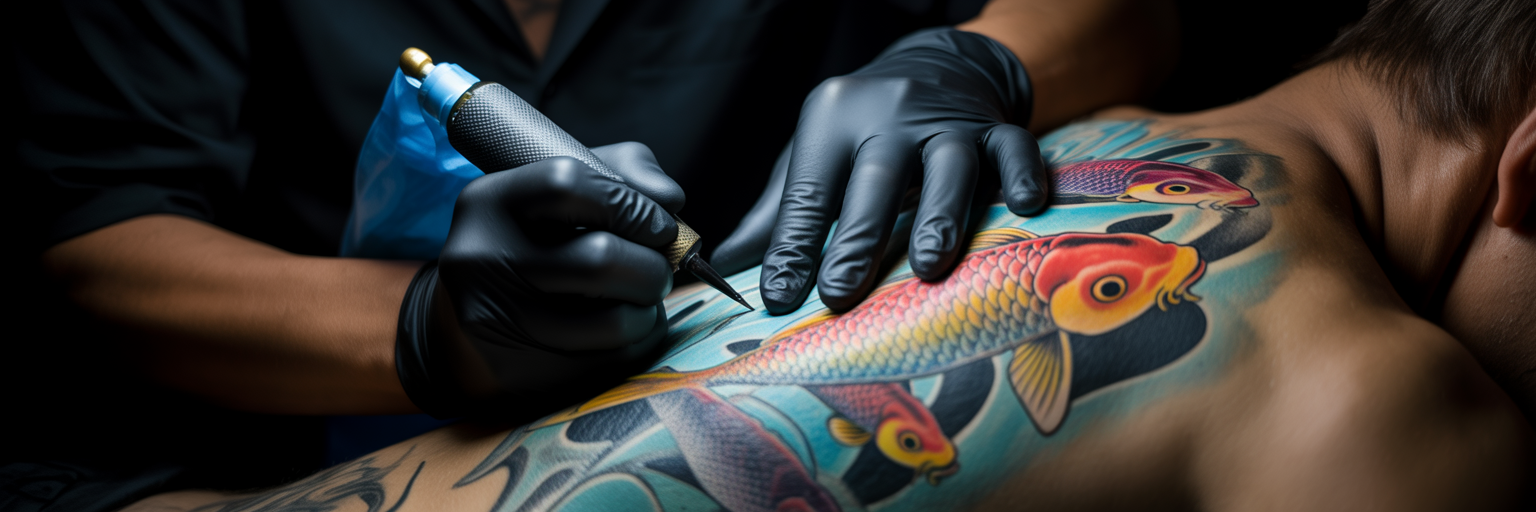
Choosing the right artistic style is perhaps the most critical decision in the cover-up process. Not all tattoo styles are created equal when it comes to concealing old ink. The best tattoo styles for cover-ups are those that feature high saturation, strong contrast, and complex textures. These elements work together to create an opaque layer of art that effectively hides what lies beneath. Styles like Japanese Irezumi are exceptionally well suited for this, as their use of dense backgrounds, flowing water, smoke, and rich colours can easily obscure old lines and shapes.
Similarly, American Traditional tattoos, with their bold black outlines and heavily saturated colour palettes, offer excellent opacity. Illustrative and Neo-Traditional styles are also strong contenders, as they combine bold lines with detailed elements like foliage, fur, or intricate floral patterns that create visual complexity and distract the eye. On the other hand, it is important to have realistic expectations. Delicate styles such as fine-line or pure watercolor are generally unsuitable for cover-ups. Their inherent transparency and lack of density mean the old tattoo will almost certainly show through, resulting in a muddy and unresolved final piece.
A sophisticated approach often involves fusing different techniques. Blending the bold lines of Western traditional with the flowing, organic elements of Eastern art can produce a unique and highly effective cover-up. As a guide from Logan Square Tattoo discusses, design choices are paramount in achieving a successful outcome. The table below offers a clear comparison to help guide your decision.
| Tattoo Style | Cover-Up Effectiveness | Reasoning |
|---|---|---|
| Japanese (Irezumi) | Excellent | Uses dense backgrounds, flowing water, clouds, and rich colours that easily obscure old lines. |
| American Traditional | Excellent | Bold lines and a heavily saturated, limited colour palette create high opacity. |
| Illustrative / Neo-Traditional | Very Good | Combines bold lines with detailed textures like fur, foliage, or florals to create visual complexity. |
| Blackwork / Tribal | Good to Excellent | Solid black areas offer maximum coverage, but design options can be limited. |
| Fine-Line / Minimalist | Poor | Lacks the density and saturation needed to hide existing ink; old lines will show through. |
| Watercolor | Poor | The translucent and soft-edged nature of this style cannot effectively cover solid, dark lines. |
The Consultation: Planning Your Transformation
The consultation is the foundational step of your entire cover-up journey. This is not a sales meeting, but a dedicated, collaborative planning session where your vision begins to take shape. During this meeting, your tattoo cover-up artist will need to assess the existing piece in person. Factors like the age of the tattoo, the density and type of ink used, the specific colours, and the presence of any scarring all play a crucial role in determining the artistic possibilities. This in-person evaluation is non-negotiable for a successful outcome.
This is also your time to share your story. What are your aesthetic goals? What themes, symbols, or feelings do you want the new piece to evoke? This dialogue is where the artist begins to translate your personal narrative into a workable, beautiful design. A key part of this process is professional honesty. A reputable artist will be transparent about any limitations posed by the old tattoo. They will guide you toward a solution that will not only look good on the day it is finished but will also age gracefully for years to come. As noted in a guide by Grand Avenue Tattoo, this consultation is key to transforming regret into art. To make the most of this session, it helps to be prepared.
- Gather Inspiration: Bring images of tattoos, art, or concepts that you are drawn to. This helps the artist understand your aesthetic preferences.
- Think About Themes: Consider the story you want to tell. Is it about growth, strength, a new beginning, or a cherished memory?
- Be Open to Suggestions: Trust your artist’s expertise. They understand the technical requirements of a cover-up and can offer creative solutions you may not have considered.
- Wear Appropriate Clothing: Ensure the artist can easily and clearly see the entire tattoo that needs to be covered.
Expanding Possibilities with Laser Lightening
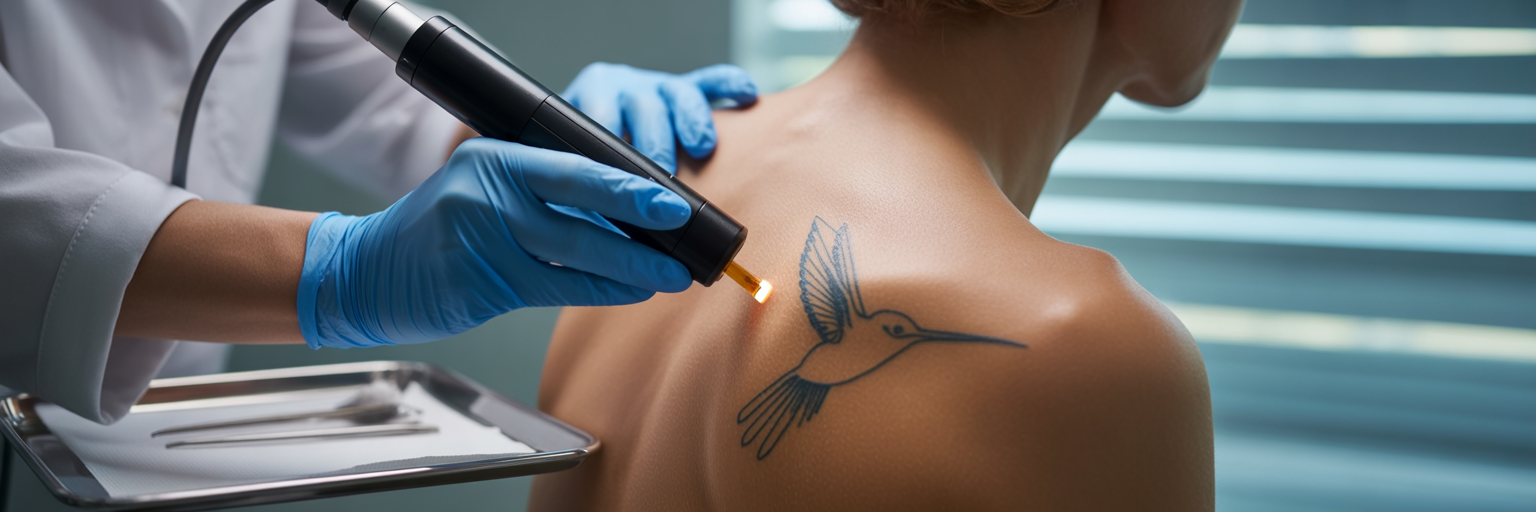
In some cases, the best first step toward a beautiful cover-up is not ink, but light. The strategic use of laser tattoo lightening for cover-up work should not be seen as a setback, but as a powerful tool to achieve a superior artistic outcome. This hybrid approach involves a few sessions of laser treatment to fade the existing tattoo before the new artwork is applied. An artist will typically recommend this for tattoos that are exceptionally dark, heavily saturated with black ink, or have bold, dense lines that would be difficult to conceal otherwise.
Fading the old tattoo, even partially, dramatically expands the creative possibilities for your new piece. This preparatory step offers several key advantages:
- Wider Design Options: A lighter canvas gives you and your artist far more freedom in choosing a new design. You are no longer limited to only the darkest and densest styles.
- Brighter Colour Palette: With the old ink faded, the new tattoo can incorporate brighter, more vibrant colours that would otherwise be muddied by the underlying pigment.
- More Manageable Size: Lightening can prevent the new cover-up from needing to be unnecessarily large or overwhelmingly dark, allowing for a more balanced and refined composition.
As a guide from Calvanostra explains, laser options can be a game-changer in the cover-up process. It is an investment in the quality and longevity of your new art, ensuring the final result is something you can truly love without compromise.
Embracing Your New Personal Masterpiece
The journey from an unwanted mark to a celebrated piece of personal art is a deeply rewarding one. The process transforms not just your skin, but your relationship with it. Your old tattoo is not erased, but instead becomes the hidden foundation for a new, intentional narrative that you have chosen. It is a testament to your growth and your capacity to redefine your own story.
The key to a successful transformation lies in trusting the collaborative process and the expertise of your chosen artist. Patience and careful planning are your greatest allies. The result is more than just a tattoo, it is the confidence and long-term satisfaction that comes from wearing a beautiful piece of custom art that truly represents who you are now. When you are ready to start your own collaborative journey, the first step is a conversation. We invite you to explore our gallery of transformations and learn more about our process at Memory Lane Tattoo Studio.