
A tattoo is more than just ink. It’s a permanent mark of a milestone, a memory, or a piece of your personal story etched onto your skin. But the beauty of that art is entirely dependent on the safety of the procedure. In a country like Singapore, known worldwide for its high standards of cleanliness, settling for anything less than impeccable tattoo hygiene in Singapore is simply not an option. We expect clean hawker centres and spotless MRTs, so why should the standard for something on our bodies be any different?
Ignoring hygiene protocols opens the door to serious risks. We’re not just talking about a poorly healed tattoo that ruins the artwork. Unsterile equipment can lead to nasty bacterial infections or, worse, blood-borne diseases. Choosing a safe tattoo studio in Singapore isn’t a matter of preference; it’s a non-negotiable prerequisite for getting inked. This guide will walk you through what to look for, what sterilisation truly means, and the right questions to ask to ensure your tattoo experience is as safe as it is meaningful.
What a Spotless Tattoo Studio Looks Like
Before you even discuss a design, your eyes can tell you a lot about a studio’s commitment to safety. The moment you walk in for a consultation, you should be looking for clear, tangible signs of professionalism. These are the details that separate a casual setup from a truly professional one, and they are all about preventing any chance of contamination. Here’s what to train your eye on.
Single-Use Supplies as Standard Practice
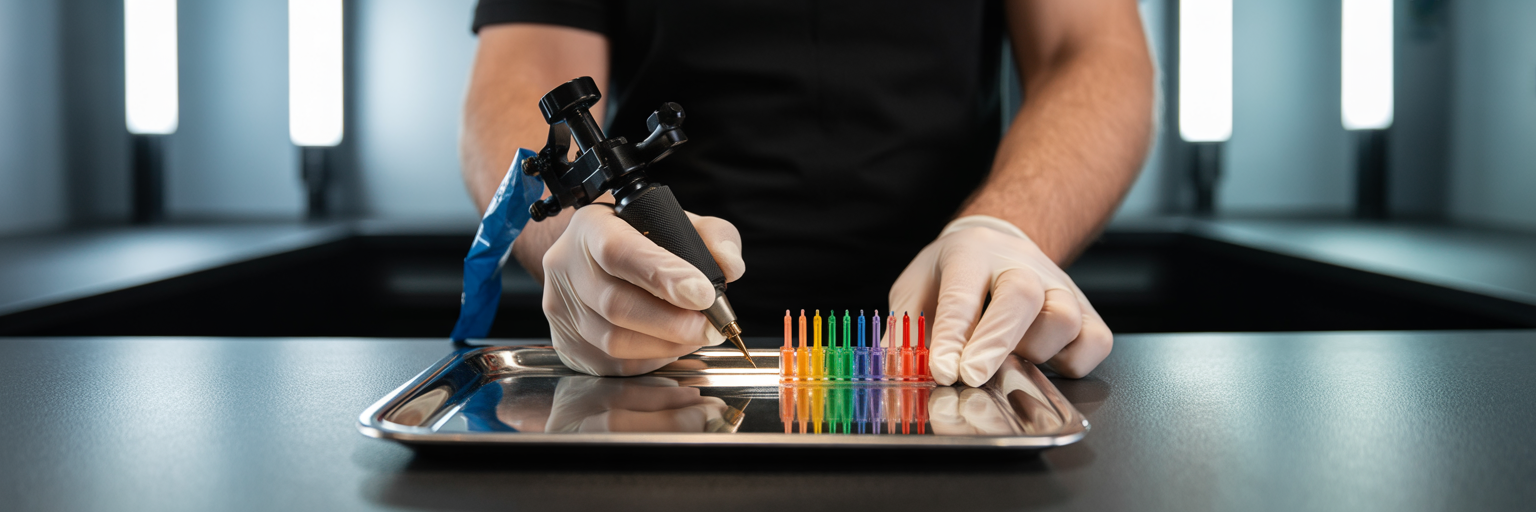
Certain items in the tattoo process must be used once and only once. Needles, the ink caps that hold the pigment, and any razors used for skin preparation should be brand new and come out of sealed, sterile packaging right in front of you. There’s a certain confidence that comes from hearing the crisp tear of a new needle packet. After the session, these items must be immediately discarded into a designated sharps container. If you see one of these red or yellow bins, it’s a strong indicator of proper tattoo studio cleanliness and responsible disposal.
Immaculate Surfaces and Workstations
Take a look around the workstation. The client chair, armrests, work table, and even the lamp should have non-porous surfaces that are easy to clean. You shouldn’t see any cloth or wood that could harbour germs. Before your session begins, the artist should wipe down every surface they or you might touch with a hospital-grade disinfectant. The faint, clean smell of disinfectant is often a reassuring sign that you’re in a space that takes hygiene seriously.
The Artist’s Personal Hygiene Protocols
An artist’s personal habits are just as important as the cleanliness of their tools. They should wash their hands thoroughly and put on a fresh pair of single-use gloves before starting. Here’s a critical detail to watch for: if the artist touches anything that isn’t sterile during the procedure, like their phone, a drawer handle, or even their own face, they must change their gloves immediately. This simple action is a cornerstone of preventing cross-contamination and protecting your health.
The Gold Standard of Equipment Sterilisation

While a clean workspace is easy to spot, the most critical safety measures happen behind the scenes. This is where true tattoo infection control is decided. For any equipment that is reused, like the grips or tubes of a tattoo machine, simple wiping isn’t enough. They require complete sterilisation, and there is only one method that meets the professional standard.
The undisputed gold standard is the autoclave. This is a medical-grade machine that uses high-pressure steam to kill 100% of microorganisms, including tough bacterial spores that can survive boiling or chemical soaks. It’s the same technology used to sterilise surgical instruments in hospitals. Health authorities globally, like NSW Health in Australia, are clear: any tool that penetrates the skin must be sterilised in an autoclave. Anything less is a major red flag.
But how do you know the autoclave is working correctly? Top-tier studios prove it with regular spore testing. These tests use biological indicators to verify that the machine is reaching the temperatures and pressures needed for total sterility. A studio that invests in this process is demonstrating an unwavering commitment to client safety. Don’t be shy. Ask to see their autoclave and its latest spore test results. A professional artist will be proud to show you their dedication to maintaining the highest standards.
| Method | Effectiveness | Acceptable Use in a Tattoo Studio | Red Flag |
|---|---|---|---|
| Autoclave (Steam Sterilisation) | Kills 100% of microorganisms, including spores | The only acceptable method for reusable equipment that contacts skin (e.g., grips, tubes) | Studio does not own or regularly test one |
| Chemical Soak ('Cold Sterilisation') | Does not kill all spores; effectiveness varies | Unacceptable for sterilising reusable skin-contact equipment | If used as the primary method for grips or tubes |
| UV Steriliser Cabinet | Only sanitises surfaces; does not penetrate | For storing already sterilised equipment; not a sterilisation method itself | If presented as a sterilisation tool for equipment |
| Boiling Water | Does not reach high enough temperatures to kill all spores | Completely inadequate for professional tattoo equipment | If a studio claims this is how they 'sterilise' tools |
Checking Credentials and Professionalism
Beyond the physical environment, an artist’s professionalism and transparency are powerful indicators of a safe practice. While Singapore does not issue a specific tattoo artist license, all studios are expected to adhere to the National Environment Agency (NEA) guidelines for activities involving skin penetration. True professionals, however, go beyond the minimum requirements.
Look for artists who have voluntarily obtained certifications in blood-borne pathogens and infection control. This shows they have invested in their education and are serious about their craft. Another key sign is the consultation process itself. A reputable artist will always conduct a thorough consultation before the needle ever touches your skin. They will discuss your design ideas, placement, and any relevant health history, and they will clearly explain the aftercare process. This collaborative approach shows they are invested in your long-term health and the quality of their work. This commitment to high standards is a universal sign of a trustworthy business; just as a company might follow an essential guide to website security to protect client data, a top-tier studio is transparent about its safety protocols to protect your health. Finally, always review an artist’s portfolio. Pay close attention to photos of healed work, as this is the ultimate testament to their skill and the effectiveness of their aftercare advice. A studio that excels in this, like Memory Lane Tattoo Studio, often showcases a collaborative process that ensures every piece is both beautiful and safely created.
Your Pre-Tattoo Safety Checklist
Walking into a studio armed with the right questions empowers you to verify their safety standards for yourself. Think of it as your final check before committing. A professional artist will appreciate your diligence and answer confidently. Here is a practical list of what to ask your tattoo artist to ensure you’re in good hands.
- 'Do you use single-use, disposable needles and tubes for every client?'
The only acceptable answer is an immediate and unequivocal 'yes'. They should also confirm that all sterile packets will be opened in front of you just before the procedure begins. - 'How do you sterilise your non-disposable equipment?'
The answer you are listening for is 'autoclave'. If they mention boiling, chemical soaks, or a UV cabinet as their primary method for sterilising grips, walk away. A confident artist may even offer to show you the machine and its maintenance logs. - 'What measures do you take to prevent cross-contamination?'
A professional response should detail their use of disposable barrier wrap on the tattoo machine, clip cord, and spray bottles. They should also mention their strict glove-changing policy if they touch any non-sterile surfaces. - 'Can you explain your aftercare instructions?'
A responsible artist will provide clear, detailed guidance for healing your new tattoo. They should explain the cleaning process, what products to use, and what to avoid. They should also be available for follow-up questions, showing they care about the long-term outcome of their work.
Ink with Confidence
Your tattoo will be with you for life, so the time you spend verifying a studio’s safety practices is a worthy investment. The pillars of a safe tattoo experience are straightforward: single-use needles, proper autoclave sterilisation for reusable gear, a visibly clean environment, and an artist who is transparent and professional.
Remember, asking these questions isn’t a sign of distrust. It shows you are a responsible client who respects both the art form and your own health, and any artist worth their salt will welcome your inquiries. By choosing a studio that prioritises hygiene, you ensure your personal story is immortalised in a stunning piece of art that you can wear with pride and confidence for a lifetime. For those seeking a studio that embodies these principles of safety and bespoke artistry, exploring the work of a professional establishment like Memory Lane Tattoo Studio is the perfect next step.