
Why Your Tattoo's Safety Matters as Much as the Art
A tattoo is a permanent mark of a personal story, a piece of art you carry with you for life. In a city like Singapore, where quality is expected in every detail, the journey to getting that art is as critical as the design itself. Exceptional tattoo art is simply impossible without uncompromising hygiene. Safety is not an optional extra, it is the very foundation of professional tattooing.
Poor hygiene can lead to preventable issues like skin infections or bloodborne pathogens. Recognising early tattoo infection signs, such as excessive redness, prolonged swelling, or pus, is important. This guide is not meant to cause alarm but to empower you. It gives you the knowledge to confidently choose a studio that values your health as much as it values artistic vision, ensuring your story is told beautifully and safely.
What to Look For When You First Step In

Your first impression of a tattoo studio speaks volumes. The space should feel less like a casual shop and more like a clean, clinical environment. Look for a well-lit, organised area free of dust or clutter. A professional studio takes pride in its appearance because it reflects its commitment to safety. The team at Memory Lane Tattoo Studio, for example, believes that a pristine workspace is a direct reflection of their dedication to the craft and client well-being.
When you are trying to figure out how to choose a clean tattoo parlour, keep an eye out for these non-negotiable details:
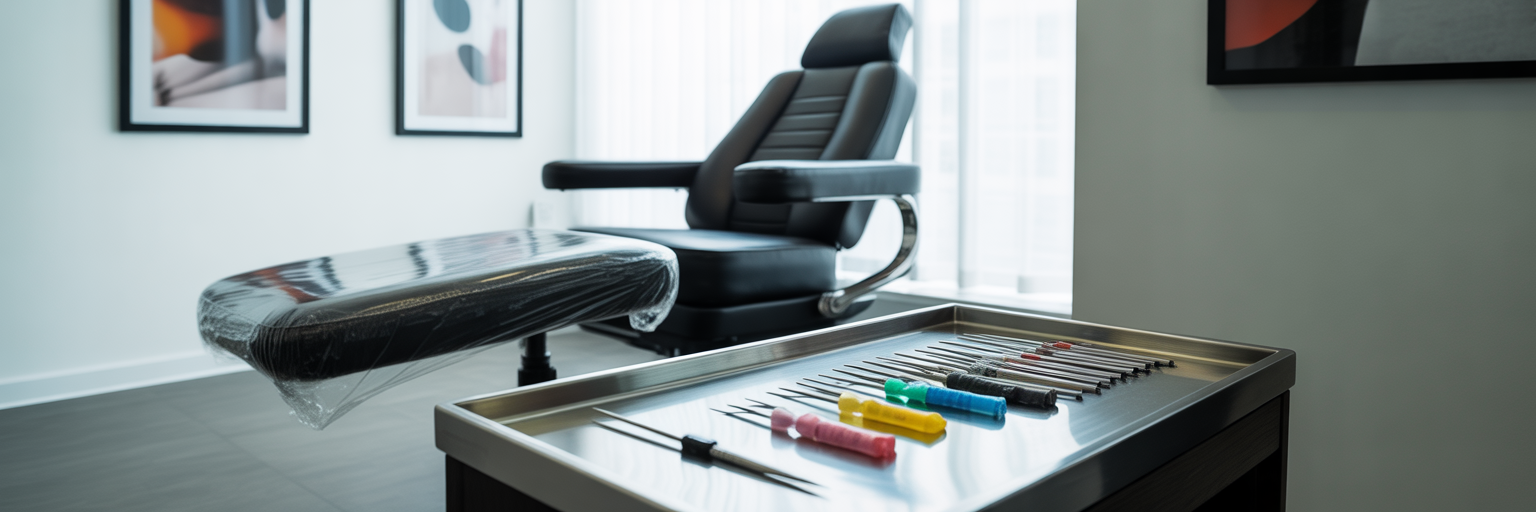
- Disposable Barriers: Key surfaces that will be part of the procedure, like the client chair, armrest, tattoo machine, and power supply, must be wrapped in fresh plastic for every single session. This prevents cross-contamination between clients.
- Single-Use Equipment: Needles and ink cartridges must always be new and sterile. Your artist should open them from their sealed packaging right in front of you. There are absolutely no exceptions to this rule.
- Proper Waste Disposal: Look for clearly marked, puncture-proof sharps containers for used needles. This is a clear sign that the studio adheres to health regulations and disposes of biohazardous waste responsibly.
The Gold Standard of Sterilisation
What you see on the surface is only part of the story. The unseen tattoo sterilisation process is where a studio’s true commitment to hygiene is tested. While needles are always single-use, some equipment parts like metal grips or tubes may be reusable. For these items, the only acceptable method of sterilisation is an autoclave.
An autoclave is a machine that uses high-pressure steam to eliminate all microbial life, including tough bacterial spores that chemical wipes cannot kill. Reputable studios not only use an autoclave but also conduct regular spore tests to validate its effectiveness. They should be transparent and willing to explain their procedures. As health bodies like NSW Health in Australia emphasize, proper sterilisation is a critical component of public health and safety in body art. This commitment to safety is not unique to tattooing; understanding the essential safety guidelines for PEMF therapy and other wellness procedures shows a broader trend towards rigorous, science-backed protocols across all practices that interact with the body.
It is important to understand the difference between simply cleaning and true sterilisation.
| Factor | Disinfection | Sterilisation |
|---|---|---|
| Purpose | Reduces harmful microorganisms on surfaces | Eliminates 100% of all microbial life, including spores |
| Method | Chemical wipes, sprays (e.g., alcohol) | Autoclave (high-pressure steam and heat) |
| Effectiveness | Does not kill all bacteria, viruses, or spores | Kills all bacteria, viruses, and spores |
| Best For | Workstations, chairs, non-critical surfaces | Reusable equipment that contacts broken skin (e.g., metal grips, tubes) |
Your Artist's Role in a Clean Procedure
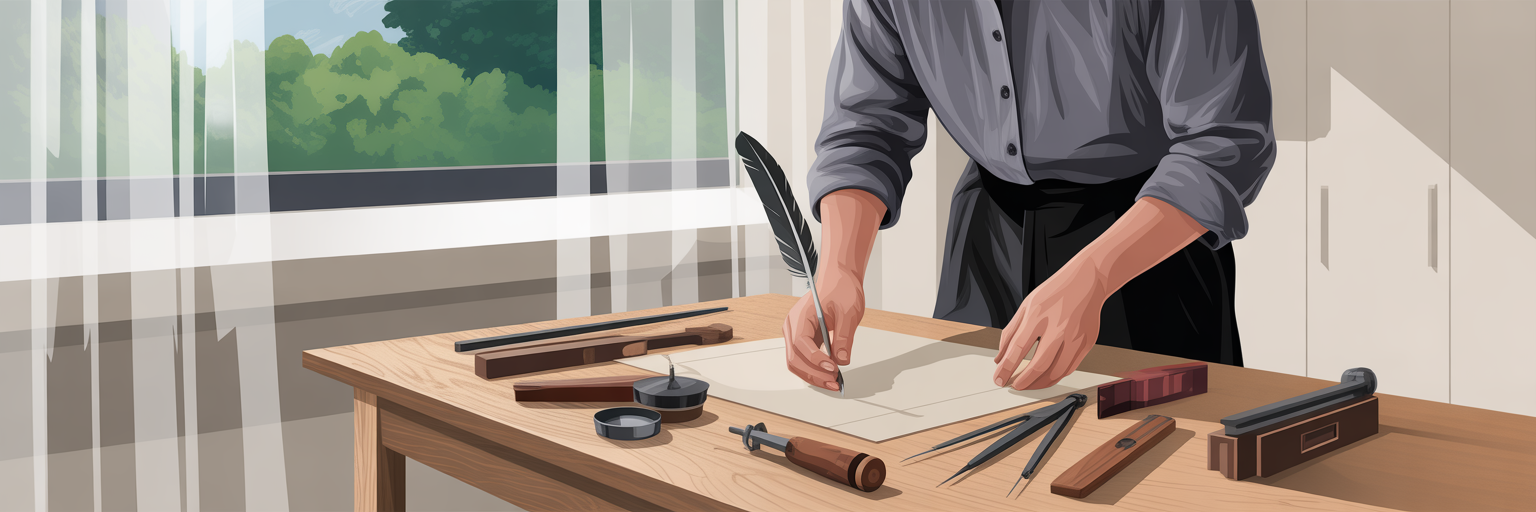
Beyond the environment, the artist’s personal conduct is a crucial part of the safety equation. Professional tattoo hygiene practices are meticulous and consistent. The process should always begin with the artist washing their hands thoroughly before setting up their station and putting on a new pair of disposable gloves.
Pay attention to how gloves are used. A fresh pair is required for every client, and they must be changed immediately if the artist touches anything non-sterile, such as a phone, a drawer handle, or their own face. Before the needle touches your skin, the artist must clean the area with an antiseptic like 70% isopropyl alcohol to prepare a sterile field. This level of care is consistent with international standards, such as those outlined in the New York City Department of Health and Mental Hygiene's manual for tattoo artists.
A true professional prepares a clean, barrier-protected tray with all necessary equipment before starting. This ensures they do not need to rummage through unsterilised drawers mid-session. This careful process is a hallmark of an artist who respects both their craft and their client’s health. This level of professionalism is central to the collaborative process at a studio like Memory Lane Tattoo Studio, where every step is handled with the utmost attention to detail and safety.
Your Pre-Appointment Safety Checklist
Walking into a consultation armed with the right questions empowers you to make an informed decision. Use this checklist to confidently assess any safe tattoo studio Singapore has to offer.
- Ask About Sterilisation: Ask directly, "Can you show me your autoclave and explain your sterilisation process?" A professional artist will be proud to demonstrate their commitment to safety.
- Confirm Single-Use Materials: A simple question like, "Do you use fully disposable, single-use needles and tubes for every client?" should be met with an immediate and confident "yes."
- Request a Workspace Tour: A transparent studio will have no problem showing you their clean workstation and sterilisation area. Any hesitation or refusal is a major red flag.
- Review Their Portfolio for Healed Work: Fresh tattoos always look good. The real proof of skill and hygiene is in cleanly healed work. Look for pictures of tattoos that are weeks or months old.
- Trust Your Gut: If the studio feels disorganised, the artist is dismissive of your questions, or something just feels off, it is perfectly acceptable to walk away. Your health is not worth the risk.
- Check for Consent Forms: A professional studio will require you to fill out a consent form. This document protects both you and the artist and confirms you have been informed of potential risks and aftercare procedures.
The best way to get answers to these questions is by booking a consultation. A studio dedicated to bespoke art, such as Memory Lane Tattoo Studio, builds its entire process around a collaborative and transparent consultation where all client concerns are addressed before any ink is involved.
Good Hygiene Means Better Healing
Ultimately, all these hygiene practices connect directly to your final outcome. A tattoo is technically an open wound, and starting with a sterile application is the most critical step in aftercare. When a studio and artist uphold the highest standards, the risk of infection and complications is drastically reduced, setting you up for a smooth and successful healing process.
Choosing a hygienic studio is not an act of fear, but an act of self-respect and respect for the art itself. As health experts note in guidelines for infection control, preventing infection at the source is paramount. A safe procedure ensures the tattoo you have invested in remains a beautiful source of pride for years to come, free from the complications of a poor start.