
The Art of Creating Personal Fusion Tattoos
Tattooing has evolved far beyond simple marks on the skin. Today, it is a sophisticated medium for expressing complex personal narratives. In this artistic tradition, fusion tattoos have emerged as a profound way to tell a story, merging distinct stylistic elements from Eastern and Western art into a single, cohesive design. Their appeal is particularly strong in multicultural hubs like Singapore, where individuals often seek to reflect a mixed heritage or a unique life journey. A successful fusion piece is not a random collage but a thoughtfully curated composition where every element has purpose.
This art form allows for deeply personal combinations that resonate with an individual's identity. The goal is to create a harmonious dialogue between different visual languages, resulting in a tattoo that is both beautiful and meaningful. Some inspiring examples of these pairings include:
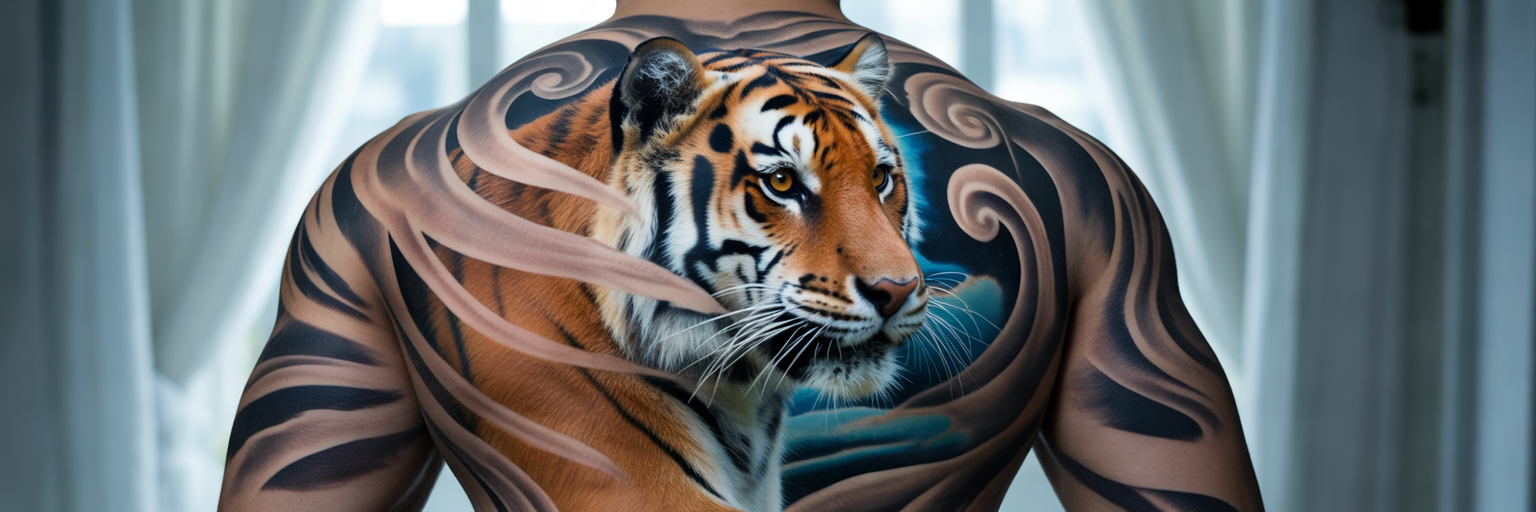
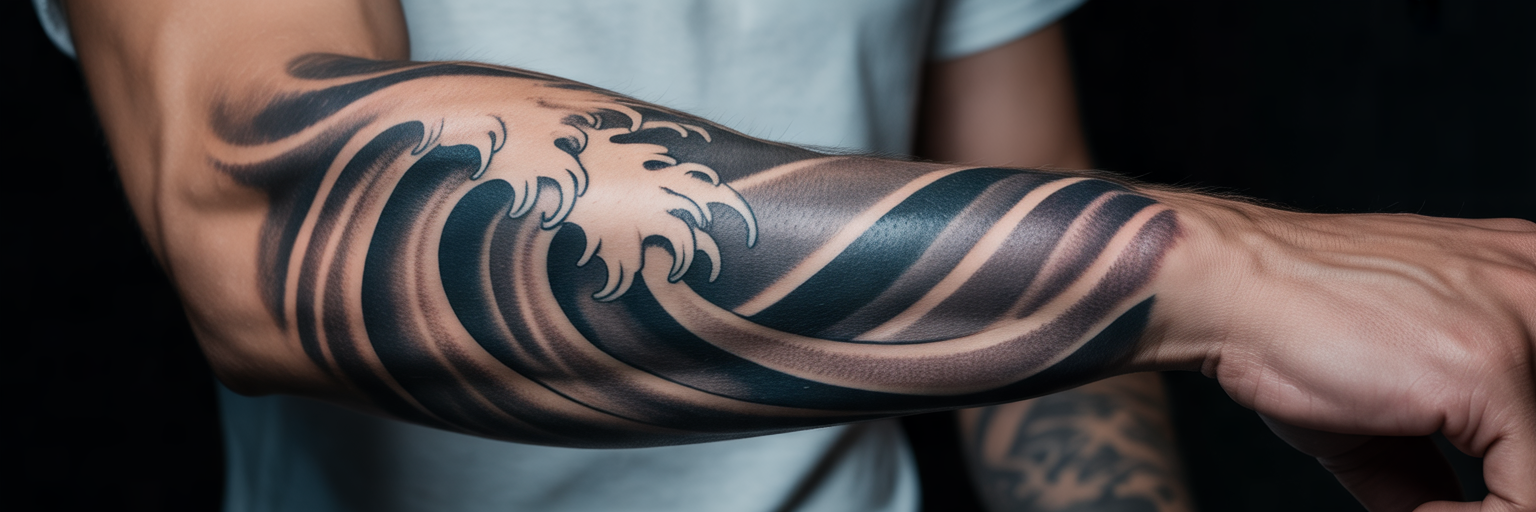
- The bold, graphic lines of Japanese Irezumi paired with the soft shading and depth of Western realism.
- The delicate, flowing strokes of Chinese ink wash painting combined with sharp, minimalist geometric shapes.
- Tibetan spiritual motifs framed by the intricate knotwork found in Celtic art.
- The vibrant, flat colors of American Traditional style used to fill detailed mandala patterns.
Building a Cohesive Design Foundation
Creating a successful fusion tattoo begins with a strong conceptual foundation, much like composing a musical score where every note contributes to the overall harmony. Before an artist even considers color or texture, they must establish a framework that allows disparate styles to coexist beautifully. This foundational stage is what separates a masterful piece from a visually confusing one.
Establishing a Unifying 'Backbone'
The first step is to identify a unifying element that acts as the design's 'backbone'. This could be a consistent motif, a recurring shape, or a specific line weight system that threads through the entire piece. This visual thread ensures that even if the styles are very different, the tattoo reads as a single, intentional work of art. It prevents the composition from descending into visual chaos and gives the eye a clear path to follow.
The 'Hero' and 'Support' Concept
To create a clear visual hierarchy, it is often best to choose one dominant style as the 'hero' of the piece and a complementary one as the 'support'. The hero element will be the main focal point, drawing the most attention, while the support style adds depth, texture, or context. This approach ensures the design has a clear narrative and prevents the two styles from competing for dominance.
Understanding Stylistic Compatibility
Not all Eastern and Western tattoo styles are natural partners. Part of the artistic challenge is understanding which combinations will enhance each other and which will clash. For instance, the delicate, single-needle work of fine-line realism can be easily overpowered by the heavy black fills and bold outlines of American Traditional. A skilled artist helps navigate these choices to ensure the final design is balanced and will age gracefully. At Memory Lane Tattoo Studio, our approach to bespoke artistry is grounded in these principles of harmony and balance, ensuring every piece is both striking and timeless.
Harmonizing Color, Line, and Space
Once the conceptual foundation is set, the focus shifts to the technical execution. Harmonizing the artistic elements of color, line, and space is what brings the fusion concept to life on the skin. This stage moves from theory to practical application, requiring a deep understanding of how different styles interact visually. A professional artist uses specific techniques to ensure the final piece is a unified and elegant composition.
One of the most effective methods is to work with a limited color palette. Choosing three or four anchor hues and using them across both stylistic elements creates an immediate sense of unity. This prevents the tattoo from looking disjointed and helps the different components feel like they belong together. Similarly, applying a consistent line weight for key outlines can form a visual thread that connects the entire piece, guiding the eye smoothly from one style to the next.
The strategic use of negative space is another crucial technique. By leaving a clean 'seam' of untouched skin between two complex styles, an artist gives each element room to breathe. This clean border allows both styles to be legible and distinct without competing for attention. Finally, balancing textures creates dynamic interplay. Pairing the soft, blended shading of a watercolor background with the sharp, clean lines of a minimalist foreground subject, for example, adds depth and visual interest.
| Technique | Purpose | Example Application |
|---|---|---|
| Limited Color Palette | Creates visual unity and prevents a chaotic appearance. | Using only black, grey, and a single accent color like red across both a Japanese dragon and a geometric background. |
| Consistent Line Weight | Forms a visual thread that connects different stylistic elements. | Applying the same medium-weight outline for a realistic rose and the surrounding mandala pattern. |
| Strategic Negative Space | Provides a clean border, allowing each style to be legible and distinct. | Leaving a 3-4mm 'seam' of skin between a complex Celtic knot and a detailed Irezumi wave pattern. |
| Texture Balancing | Creates dynamic interplay and visual interest. | Pairing the soft, blended shading of a watercolor background with the sharp, clean lines of a minimalist foreground subject. |
Designing for the Body's Natural Flow
A tattoo is not a flat image on a page; it is a piece of art that lives on a dynamic, three-dimensional canvas. A truly successful design must therefore complement the natural contours and movement of the human body. This is where the art of personalizing your tattoo moves beyond stylistic choices and into a deep consideration of anatomy and flow. A design that works with the body feels alive, while one that fights against it can appear awkward or distorted.
Aligning key design elements with muscle groups is a fundamental technique. A dragon that coils around a bicep or a bird whose wingspan follows the shoulder blades creates a sense of movement and vitality. The tattoo appears to move with the person, becoming an integrated part of their form. On large, open areas like the back or torso, an artist can create visual energy by using diagonal lines and flowing shapes that draw the eye across the body, adding dynamism to the composition.
Equally important is how the design terminates. Tapering patterns toward joints like the wrist, elbow, or ankle ensures an elegant and natural transition. This prevents the tattoo from looking like it was abruptly cut off and instead allows it to flow seamlessly with the body's form. This thoughtful placement is a hallmark of high-quality artistry. You can see how we apply these principles when you view examples of our custom tattoo design in Singapore on our clients, where each piece is carefully curated to flatter the individual's unique anatomy.
Your Collaborative Journey with an Artist

Creating a complex fusion tattoo is a partnership between you and your artist. While your personal story is the heart of the design, the artist's expertise is the hand that brings it to life with technical skill and artistic vision. This is especially true for a piece that blends different styles, as it requires a nuanced understanding of composition, balance, and long-term integrity. The tattoo design process is a collaborative dialogue, and preparing for your consultation is the first step toward a successful outcome.
Effective tattoo artist collaboration begins with clear communication. To help your artist understand your vision, we recommend preparing for your consultation in a few key ways:
- Prepare a Clear Brief: Outline the personal story, emotions, or milestones you want the tattoo to represent. The 'why' is more important than the 'what'.
- Gather Stylistic References: Collect three to five images that illustrate the styles, moods, and elements you are drawn to. These are for inspiration, not replication.
- Consider Placement and Flow: Have an idea of where you want the tattoo and be open to the artist's suggestions on how to best fit it to your body's unique form.
- Trust the Process: A great tattoo is a partnership. Be open to your artist's feedback on composition and technical execution to ensure a beautiful, lasting result.
During the design phase, your artist may use digital mockups to show you how the tattoo will wrap around your body. This is an invaluable tool for visualizing the final piece and making adjustments to ensure a perfect fit. Ultimately, trusting your artist's professional judgment is key. They can foresee how a design will settle and age over time, ensuring your fusion tattoo remains a beautiful and meaningful work of art for years to come. To begin your collaborative journey with Memory Lane Tattoo Studio, reach out to us for a consultation.