
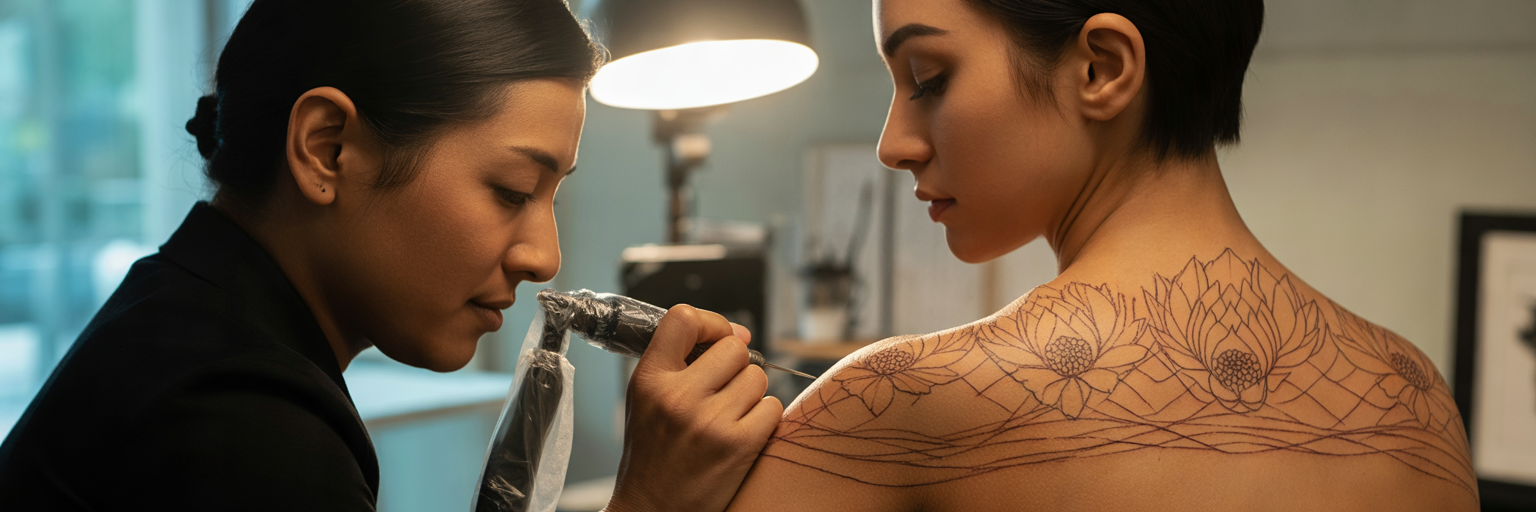
Archaeological discoveries of preserved skin from ancient Eurasia to the Pacific confirm that for over five millennia, humans have used permanent markings to document family lineage and social belonging. As modern collectors seek cultural heritage tattoos that reflect their genuine roots, the focus has moved from surface aesthetics to collaborative historical storytelling.
Why Cultural Heritage Tattoos Demand Deeper Research
Understanding this historical weight changes how we approach modern body art. Collectors now view ancestral tattoo ideas as documented milestones rather than purely decorative designs. Have you ever looked at a traditional family motif and wondered what the original artisan intended to communicate? Answering that question requires looking beyond quick online image searches and into verified family records.
Moving From Aesthetic Borrowing to Archival Accuracy
During our studio consultations, we see more clients arriving with museum catalogs, academic papers, and photographs of heirlooms tucked under their arms. Bringing these primary sources to the drawing table ensures archival accuracy from the very first sketch. As we explored in our guide on choosing tattoo designs that reflect your cultural heritage, starting with verified historical context prevents accidental distortion of sacred meanings.
Translating documented genealogy into custom body art relies on a close partnership between you and your artist. When you share the context behind a grandfather's carved wooden crest or a vintage ceramic pattern, we can adapt those lines to flatter your anatomy while preserving their original spirit. Meaningful ink always begins with honoring the history behind ancestral symbols, because symbols stripped of their stories are merely shapes.
Distinguishing Protected Traditions from Contemporary Fusion
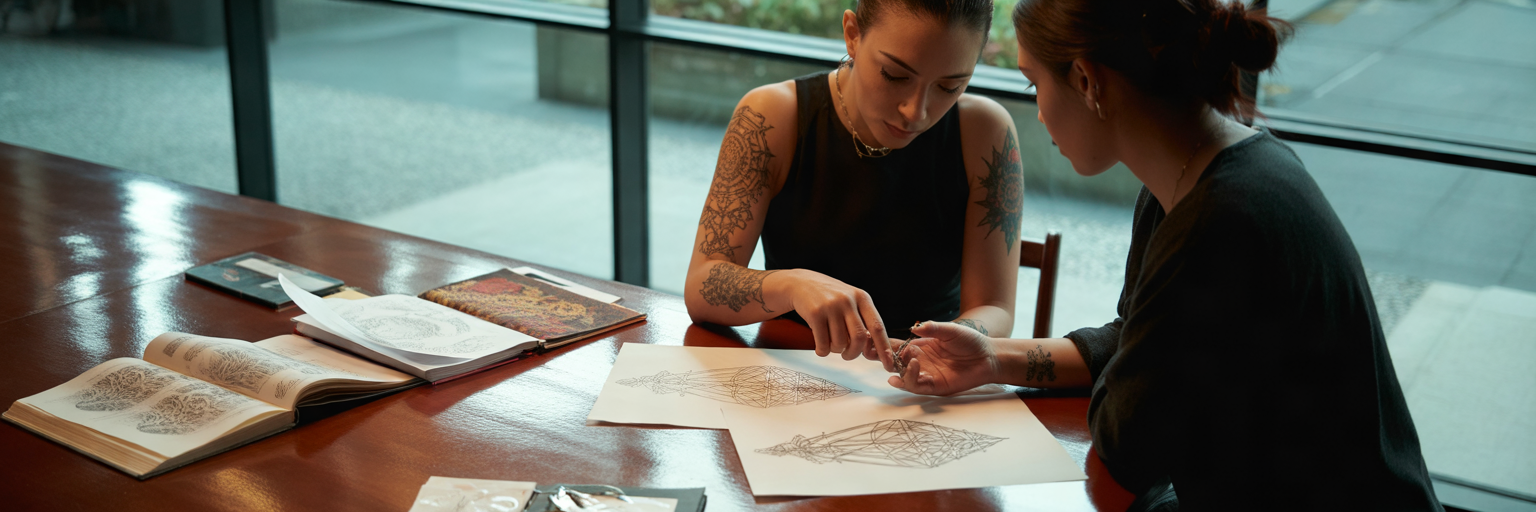
Once your historical research is underway, the next step involves understanding the ethical boundaries of ancestry ink. A clear line separates restricted indigenous traditions from contemporary interpretive styles. Sacred practices such as Polynesian tatau, Maori facial moko, and Filipino batok carry strict genealogical and ceremonial authority that belongs solely to specific bloodlines and community ranks.
Respecting Restricted Indigenous Markings
Modern collectors who admire the rhythm of traditional art without holding lineage rights can turn to contemporary adaptations. Styles like neo-tribal, abstract geometry, and a bespoke fine line tattoo apply universal pattern logic such as bilateral symmetry and directional flow without claiming ceremonial status. Many conscientious clients even budget between $150 and $600 for formal verification consultations with cultural elders or knowledge keepers to avoid misrepresentation before finalizing a concept.
Ethical Alternatives and Cultural Verification
If your heritage does not include a formal tattooing tradition, you can still celebrate your roots with complete peace of mind. Consider these four ethical alternatives that anchor your design in personal history:
- Regional botanicals native to your family homeland, such as specific mountain flora or heritage agricultural crops
- Traced ancestral handwriting taken directly from preserved family letters, postcards, or marriage certificates
- Heritage textile patterns adapted from family fabrics like Peranakan batik, Scottish tartan, or traditional embroidery
- Non-restricted folk motifs sourced from regional pottery, woodwork, or historic architectural ironwork
To help clarify where traditional boundaries lie, the comparison framework below outlines the differences between sacred markings and adaptable personal tributes based on 2026 tattoo industry ethical standards and cultural preservation guidelines.
| Attribute | Protected Traditional Markings | Contemporary Geometric Adaptations | Family Archive and Folk Motifs |
|---|---|---|---|
| Cultural Authority | Restricted to specific bloodlines, ranks, or ceremonial rites | Open interpretive style using universal pattern logic | Personal to the client's documented family history |
| Primary Visual Elements | Sacred crests, genealogical tatau, or rank-specific batok | Bilateral symmetry, directional flow, and abstract dotwork | Regional flora, heritage textiles, and ancestral script |
| Preparation Protocol | Requires formal blessing or verification from cultural elders | Collaborative custom design session with a skilled artist | Archival research using family heirlooms and museum catalogs |
| Ethical Risk Level | High risk of appropriation if worn without lineage rights | Low risk when designed as original abstract body art | Virtually zero risk as it honors verified personal roots |
Respecting protected traditions protects the integrity of indigenous cultures while guiding you toward authentic, regret-free personal artistry.
Blending Mixed Ancestry Through Modular Composition
Respecting cultural boundaries naturally opens the door to creative problem-solving, especially for collectors whose family trees span multiple continents. A common design challenge for multicultural clients is honoring diverse lineages without creating a cluttered, disjointed collage on the skin. Modular composition solves this dilemma by using a single unifying artistic technique to weave distinct cultural symbols into one cohesive narrative.
Weaving Multicultural Roots Into Cohesive Art
Rather than placing two contrasting styles side by side, an Eastern Western fusion tattoo harmonizes different motifs through shared line weight, shading, or color palettes. For example, many local residents and international visitors in Singapore ask us to pair the geometric precision of Peranakan porcelain tiles with delicate European botanical illustrations. By rendering both elements in fine-line blackwork or soft dotwork, the separate histories merge into a single visual language. Similarly, as detailed in our breakdown of blending Eastern and Western tattoo styles, combining fluid Chinese ink brushwork with Western hyper-realism creates depth that honors both sides of a mixed heritage.
Anatomical Flow and Longevity in the Tropics
Intricate ornamental pieces require thoughtful sizing and spacing so fine details do not blur together over time. Mapping a modular design to follow your natural muscle contours ensures the artwork moves gracefully with your body, a principle we emphasize in our strategic guide to tattoo placement. Furthermore, living in or visiting a sunny, humid climate demands attentive skin care to keep delicate gradients and fine lines crisp. Following the daily protection habits outlined in our resource on maintaining tattoo vibrancy in the tropics will preserve your artwork for decades. Ultimately, a unified artistic voice brings lasting visual harmony to complex multicultural stories.
Transforming Outdated Ink Into Authentic Lineage Art
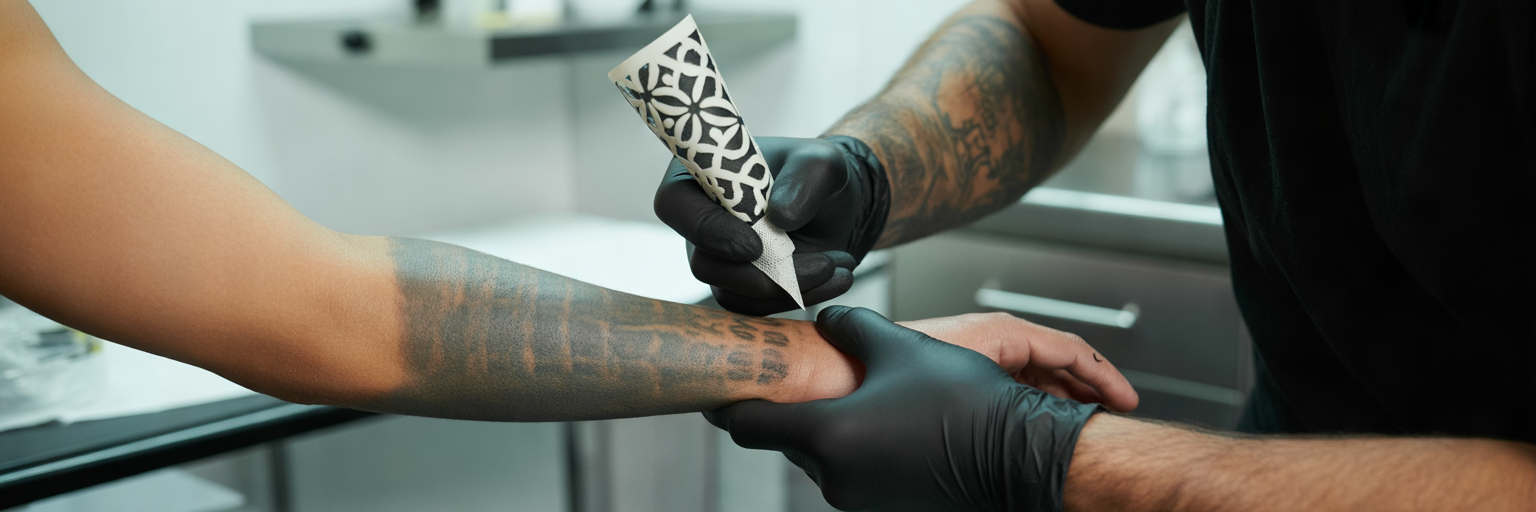
While modular composition builds new narratives on blank skin, many collectors first need to address older ink that no longer reflects who they are. It is entirely common to carry generic tribal bands or unverified Kanji characters chosen decades ago before historical resources were widely accessible. Outgrowing those early choices is a natural part of personal growth, and reworking them offers a clean slate.
The Technical Artistry of Cultural Cover-Ups
Commissioning a cover up tattoo Singapore specialists can execute requires both technical precision and creative vision. Unlike working on bare skin, neutralizing dark or faded ink involves strategic shading, layered textures, and applied color theory. Just as digital designers study contrast and saturation in resources like Digital Fusion Hub's analysis on how color choices affect visual balance, experienced tattoo artists use complementary pigments and opaque tones to mask old lines beneath fresh imagery. Heavy black bands can be seamlessly absorbed into the shadowy foliage of a heritage botanical piece or the textured scales of a traditional mythological guardian.
Collaborating closely with a cover-up specialist allows you to turn a past mistake into an intentional tribute to your actual lineage. Replacing unaligned ink with well-researched, bespoke artistry brings an immediate sense of relief and renewed pride in the stories you wear.
Preparing for Your Collaborative Design Consultation
Whether you are planning a fresh ancestral tribute or reimagining an older piece, thorough preparation sets the foundation for a smooth studio experience. Co-creating a custom tattoo Singapore artists can tailor to your life story works best when you arrive with clear visual and historical anchors.
Your Checklist for a Meaningful Studio Session
- Gather high-resolution photographs of family heirlooms, heritage textiles, jewelry, or regional architectural motifs.
- Compile verified historical references or museum catalog entries for any traditional symbols you wish to adapt.
- Document the personal stories, family milestones, or generational memories that connect these visual elements together.
- Consider your preferred anatomical placement and approximate size to ensure long-term readability and flow.
- Prepare questions regarding studio hygiene, sterilization protocols, and pigment ingredients for your peace of mind.
Asking about clinical safety is an essential part of modern tattoo preparation, especially given ongoing global regulatory attention from bodies like the U.S. FDA regarding ink labeling consistency and pigment purity. When you book a consultation at our Memory Lane Tattoo Studio in Singapore, we prioritize strict clinical hygiene alongside personalized care. Guided by artistic director Apple Qu and her more than 20 years of experience across hyper-realism, fine-line, watercolor, and complex cover-ups, our team works closely with you to translate raw historical inspiration into flattering body art. Taking the time to collaborate thoughtfully with your artist ensures your heritage is honored through a timeless legacy on your skin.