
The Artistry of Dynamic Kneecap Tattoos
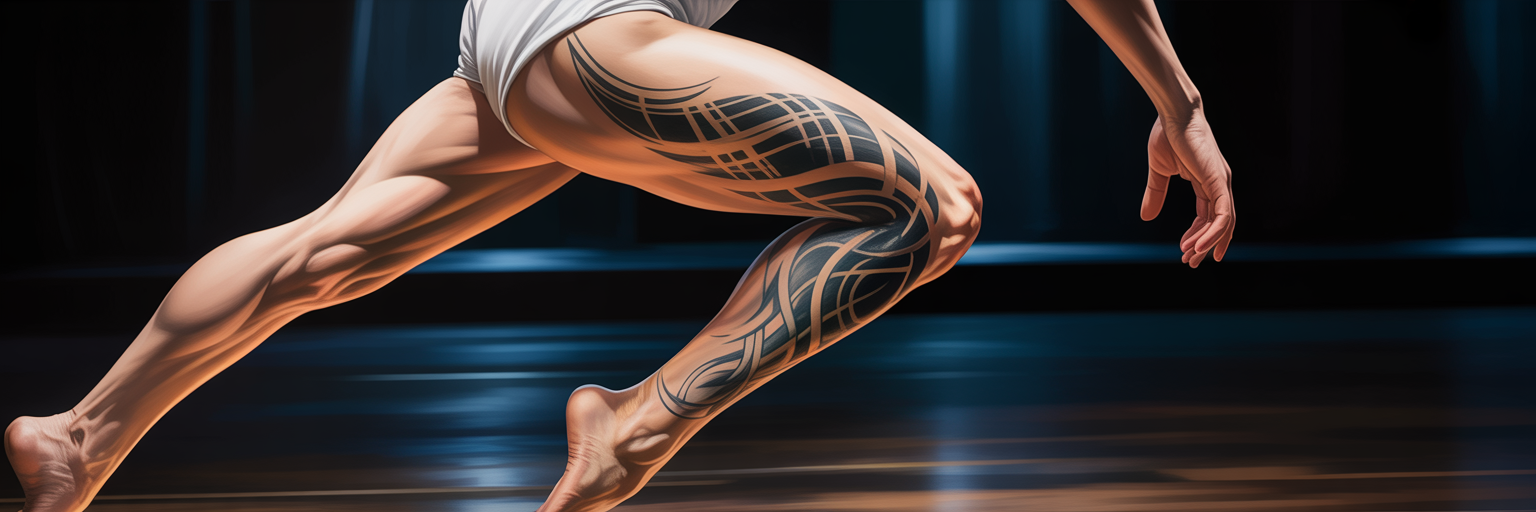
The knee is more than just a joint; it is a remarkable biomechanical structure, constantly in motion. This continuous movement presents a unique artistic challenge, but when met with expertise, it allows for the creation of truly living artwork. Thoughtful design is essential for kneecap tattoos, as the skin in this area stretches and compresses in ways that a flat canvas never could. A successful design must anticipate and harmonize with this motion, transforming a static image into a dynamic piece that accentuates the body’s natural contours.
At Memory Lane Tattoo Studio, we believe the most beautiful tattoos are born from collaboration. This is why the initial consultation is a cornerstone of our process. This session is a creative partnership where we discuss your lifestyle, aesthetic goals, and how the design will function in your daily life. We explore how the artwork will appear when you are standing, walking, or sitting, ensuring the final piece is as fluid as you are. This foundational conversation allows us to move beyond a simple drawing and begin curating a piece of art that is intrinsically connected to you.
Our philosophy is that a tattoo should not just sit on the skin but move with it. By understanding the unique canvas of the knee, we can design artwork that maintains its integrity and beauty through every motion. This commitment to personalized artistry ensures your tattoo feels like a natural extension of your body, telling your story with grace and dynamism.
Design Styles That Complement Movement
Choosing the right style is fundamental to creating a successful knee tattoo. Certain designs are better suited to the demands of a high-motion area, ensuring both aesthetic appeal and longevity. Here, we explore tangible knee tattoo design ideas that work in harmony with your body’s movement, turning a technical challenge into an artistic opportunity.
Radial and Geometric Designs
Symmetrical patterns, such as a mandala knee tattoo, offer exceptional visual stability. When centered on the joint, these designs create a powerful focal point that appears balanced whether the leg is bent or straight. The inherent structure of geometric work is less prone to noticeable distortion, making it a reliable choice for this dynamic area. Precision in placement is key to maintaining the design’s symmetry through movement.
Organic and Flowing Motifs
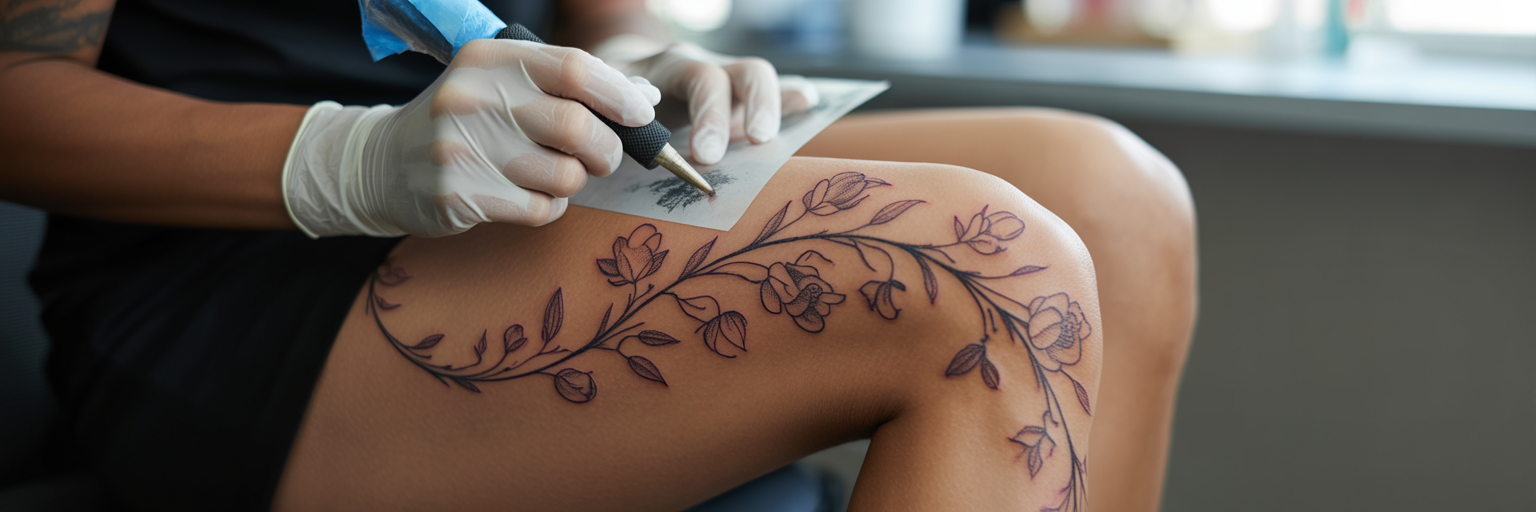
Elements from nature, like floral vines, ocean waves, or swirling smoke, are perfectly suited for the knee. These organic forms can be designed to follow the leg’s musculature, creating an elegant look that flows with your body’s contours. An artist can map the design to wrap gracefully around the joint, ensuring the artwork looks intentional and fluid in both bent and straight positions. This approach results in a tattoo that feels both natural and deeply personal.
Abstract and Blackwork Styles
Abstract and blackwork tattoos offer unparalleled freedom for customization. As noted in galleries of abstract knee tattoos, these designs often use freehand techniques to wrap the artwork naturally around the joint. This style allows the artist to work directly with your anatomy, creating a one-of-a-kind piece that is completely integrated with your body. The use of bold shapes and high-contrast saturation makes these tattoos visually striking and exceptionally durable on a joint.
Ultimately, designs with bold linework and strong contrast tend to have better longevity on an area with such constant movement. These elements help the tattoo maintain its clarity and impact for years to come.
| Design Style | Primary Advantage | Key Consideration |
|---|---|---|
| Mandala / Geometric | Structural stability and symmetry | Requires precise placement to avoid distortion |
| Organic / Floral | Flows with natural body contours | Design must be mapped for both bent and straight leg positions |
| Abstract / Blackwork | Highly adaptable and unique to anatomy | Relies heavily on the artist's freehand skill and vision |
A Collaborative Approach to Placement
Creating a custom tattoo in Singapore at our studio is a true partnership, and nowhere is this more evident than in the placement process. Proper placement is not an afterthought; it is a strategic decision that ensures your tattoo’s beauty and longevity. We use a professional technique we call ‘flow mapping’ to achieve the perfect fit. After applying a stencil, we will ask you to bend, straighten, and rotate your leg. This crucial step allows us both to see how the design behaves in motion, ensuring its integrity from every angle.
This collaborative approach to tattoo placement for movement is essential for a successful outcome. As one guide on tattoo placement explains, smart positioning is essential for ensuring comfort, longevity, and harmony with the body's natural movement. Our artists will advise on the optimal location for key details, often recommending against placing intricate elements directly in the crease behind the knee or on the very center of the kneecap, where the skin undergoes the most extreme stretching.
Just as a sound business strategy is a long-term investment for growth, we believe in investing time upfront to ensure your tattoo's longevity and impact. This commitment to a lasting result is why our collaborative design process is so thorough. The final placement is tailored to flatter your unique anatomy, taking into account muscle definition and proportions to create a truly bespoke piece of art. To begin this journey and explore your ideas with our artists, you can learn more about our studio’s approach by visiting our website.
Essential Aftercare for a High-Motion Tattoo
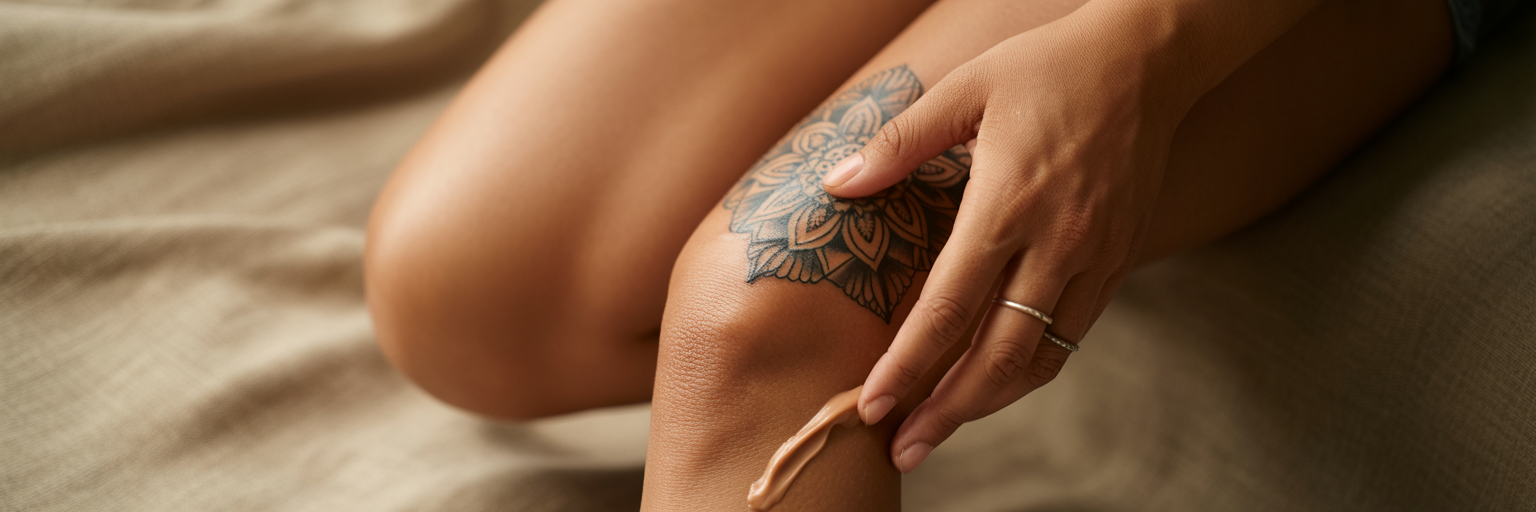
Once your beautiful knee tattoo is complete, proper aftercare is essential to protect your investment and ensure it heals perfectly. The knee is a high-motion area, which requires a few specific considerations during the healing process. As experts on tattooing over jointed skin note, proper aftercare during the initial healing phase is critical to allow the ink to settle correctly and prevent distortion. Following these steps for tattoo aftercare for joints will help your artwork maintain its vibrancy and clarity for a lifetime.
- Limit Movement Initially: For the first 7 to 10 days, avoid activities that involve deep knee flexion like squatting or kneeling. This allows the ink to settle into the skin without distortion from excessive stretching.
- Manage Swelling: It is normal to experience more swelling on a joint compared to other body parts. Keep your leg elevated when possible and follow your artist’s specific cleaning instructions to keep the area clean and comfortable.
- Moisturize Consistently: Once the initial scabbing and peeling phase is over, keep the skin supple by moisturizing daily. Hydrated skin helps maintain the tattoo’s clarity and prevents the ink from looking dull.
- Prioritize Sun Protection: The knee is highly exposed to the sun, which can cause tattoos to fade over time. Once healed, always apply a high-SPF sunscreen to the area to protect the integrity and vibrancy of your artwork.
Our commitment to you extends far beyond the tattoo session. We are your partners throughout the healing journey and beyond. If you have any questions or concerns as your tattoo heals, we encourage you to contact us. Your complete satisfaction with your new artwork is our highest priority.