

First Steps: Is a Cover-Up Right for You?
That feeling of looking at an old tattoo and thinking it no longer represents you is surprisingly common. It is a natural part of personal growth. Maybe the design feels dated, or it reminds you of a time you have moved on from. It is okay to feel a bit paiseh about old ink, many people do. Changing your mind is not a mistake, it is an evolution.
Before you decide on a new piece, it is important to understand your options. The first step is to figure out the best path for your specific situation. You generally have three choices. A full cover-up aims to completely hide the old tattoo with a new design. A blast-over intentionally layers a new tattoo over the old one, allowing parts of the original to show through for a textured effect. The third option is laser lightening, which fades the old ink to create a better canvas for a new piece, opening up more design possibilities.
The feasibility of a cover-up depends heavily on your existing tattoo. An older, faded piece is much easier to work with than a new, dark one. The darkness of the original ink, especially solid black, is the biggest challenge. Existing colours and the overall size also play a significant role in determining what is possible. Understanding how to cover up an old tattoo starts with a realistic assessment of these factors.
It is essential to set the right expectations from the start. A cover-up is a strategic transformation, not a complete erasure. The new design will almost always need to be larger and darker than the original to be successful. This is not a limitation but a technical requirement for creating a beautiful, lasting piece of art that you will be proud to wear.
The Art and Science of Concealing Old Ink
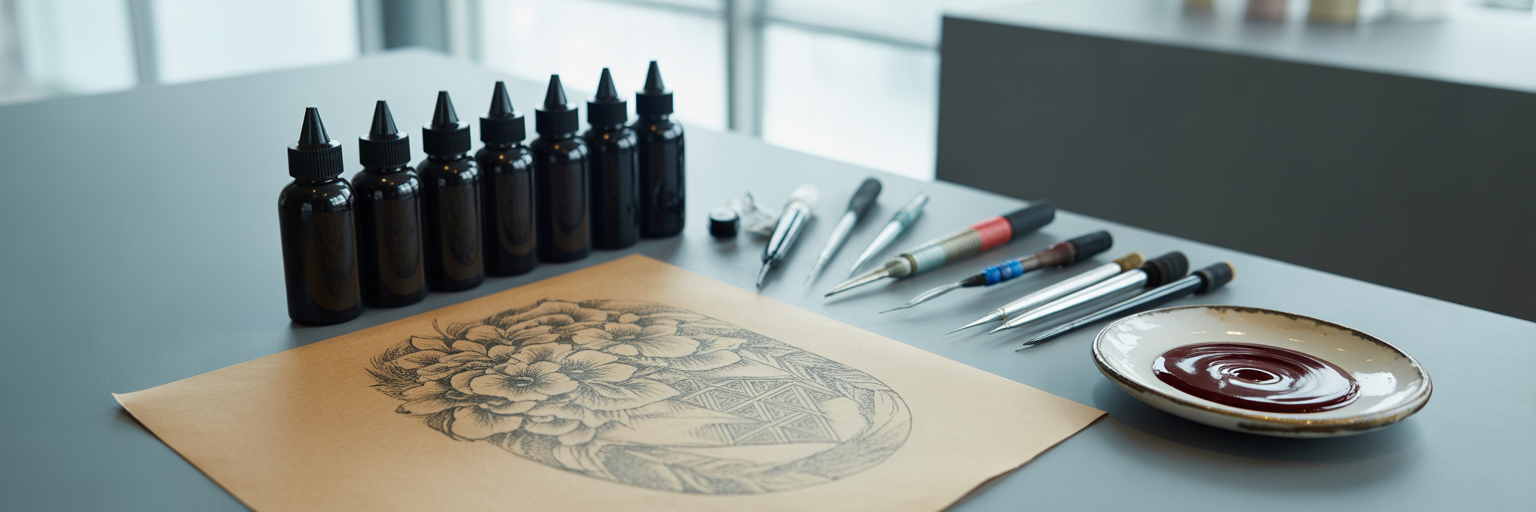
Successfully concealing an old tattoo is a blend of artistic vision and technical science. It goes beyond simply placing a new design on top of an old one. An experienced artist uses specific strategies to ensure the old ink disappears permanently, without any trace of it showing through once the new tattoo has healed.
Colour Theory and Modern Pigments
The foundation of any good cover-up is colour theory. To neutralise the old ink, artists strategically use dark, cool tones like deep blues, rich browns, and of course, black. These colours are effective at absorbing light and masking what lies beneath. Modern, high-opacity pigments are also essential. These inks are formulated to be dense, preventing the old design from "ghosting" through the new one after the skin has fully healed. This ensures the new art remains vibrant and the old tattoo stays hidden.
Visual Misdirection in Design
A clever artist does not just cover the old tattoo, they redirect your eye. This is achieved by placing elements with high detail and strong contrast directly over the darkest parts of the original piece. Think of it like a magic trick for the skin. Dense floral patterns with intricate petals, the detailed texture of animal fur, or complex geometric shapes are excellent for this. These compelling visual elements become the focal point, drawing attention away from the covered areas underneath and making the new design feel cohesive.
The Importance of Scale and Flow
One of the most common questions is why a cover-up needs to be so much bigger. As noted in a guide from Logan Square Tattoo, effective compositions often require the new piece to be two to three times larger. This extra space allows the artist to create balance, contrast, and movement. It provides room for both dark, concealing areas and lighter, negative spaces that make the design breathe. A skilled artist will also use the body's natural contours, ensuring the new tattoo flows with the muscle structure. This makes the final piece look intentional and flattering, rather than like a patch placed over an old mistake. When considering tattoo cover up ideas, always think bigger.
| Original Tattoo Type | Primary Challenge | Effective Design Strategy | Recommended Elements |
|---|---|---|---|
| Faded, Light-Coloured Script | Minimal; easy to cover | Almost any design is possible | Florals, portraits, watercolour |
| Old, Soft Grey Shading | Moderate; some lines may be visible | Use designs with texture and shading | Animal fur, realistic clouds, smoke |
| Dark, Dense Tribal (Black Ink) | High; requires maximum coverage | Strategic use of dark, saturated areas | Japanese backgrounds, heavy blackwork, biomechanical |
| Bright, Multi-Coloured Piece | High; colour neutralisation needed | Using a colour wheel to select opposing pigments | Bold traditional, neotraditional with thick lines |
Choosing the Right Artist for Your New Chapter
Once you have decided to move forward, the next step is finding the right person for the job. A cover-up is a specialised skill. Not every tattooist has the experience or technical knowledge to execute one successfully. Finding the best tattoo cover up artist involves looking for someone who is not just a great artist, but also a creative problem solver.
When you review an artist’s portfolio, your focus should be sharp. Look specifically for photos of healed cover-ups. Freshly done tattoos always look bold and vibrant, but the true test of a cover-up is how it settles into the skin over time. Healed photos reveal whether the old design remains completely hidden. This is the most reliable indicator of an artist's skill in this area.
The tattoo artist consultation Singapore experience should be a thorough and collaborative conversation. It is a chance for the artist to assess your old tattoo in person, examining the ink density, scarring, and placement. Expect honest feedback. If an artist suggests a larger or darker design than you initially envisioned, it is usually based on technical necessity. Trust their professional judgment. Finding the best tattoo cover up artist means looking for a studio that prioritises a detailed, collaborative process. At Memory Lane Tattoo Studio, we believe the consultation is the most critical step in turning an old regret into a new masterpiece.
To feel prepared for your consultation, here are a few questions to ask:
- Can you show me photos of healed cover-ups you have done that are similar to my situation?
- What design styles or elements do you think would work best to completely hide my old tattoo?
- Based on the size and complexity, how many sessions do you estimate this will take?
- Are there any limitations on the colours or themes we can use for this cover-up?
- What is your process for designing the new piece and how will I be involved?
Blast-Overs: An Alternative to Full Concealment
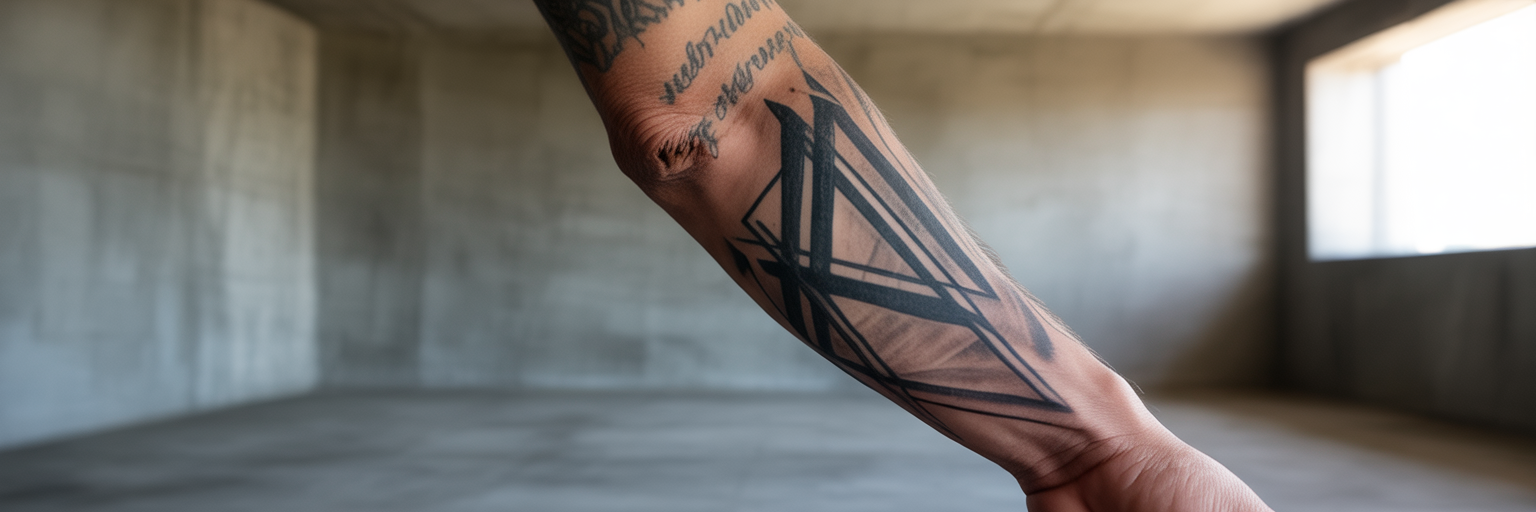
Not everyone wants to completely erase their past ink. For some, a tattoo’s story evolves. This is where a blast-over offers a compelling alternative to a traditional cover-up. A blast-over is a new design that is intentionally layered over an existing tattoo, but without the goal of complete concealment. Parts of the old design are allowed to show through, creating a unique, textured, and layered aesthetic.
The debate of blast over tattoo vs cover up comes down to intent. A cover-up’s purpose is to hide. A blast-over’s purpose is to integrate. It acknowledges the history of the skin and adds a new chapter on top. This technique is often favoured by seasoned collectors who want to unify a sleeve of older, disparate pieces or simply add a new layer of art without losing the tattoos they have collected over the years.
As explained by Ninja Cyborg Studio, this technique intentionally incorporates the original tattoo as an element of depth and texture. This is a stark contrast to traditional concealment, which often requires heavy saturation. A blast-over is an aesthetic choice, a way to build upon your personal history rather than replacing it. It is for those who see their body as a living canvas where stories can overlap.
Your Cover-Up Journey and Aftercare
Embarking on a cover-up journey is an exciting commitment. To ensure the best possible outcome, preparation is key. Get a good night's sleep before your appointment, eat a substantial meal, and stay well hydrated. Complex cover-ups often require multiple sessions, so be mentally and financially prepared for the full process. Patience is your best friend on this journey.
Aftercare is especially critical for a cover-up. The skin is often more saturated with ink, as the artist works to ensure complete coverage. Diligent aftercare will protect your investment and ensure the new tattoo heals beautifully. For any skin procedure, it is vital to follow strict hygiene protocols. As Singapore's National Environment Agency (NEA) advises, maintaining safety and hygiene is paramount for services that involve skin penetration.
Follow these essential aftercare steps:
- Gently wash the area with unscented soap and lukewarm water twice a day.
- Apply a thin layer of the recommended aftercare ointment. Do not over-moisturise.
- Avoid soaking the tattoo in baths, pools, or the sea for at least two to three weeks.
- Protect the tattoo from direct sun exposure, as UV rays can fade the new ink and reveal the old one.
- Do not pick or scratch at any scabs or peeling skin.
The healing timeline can take several weeks, and the final result will only be visible once the skin has fully regenerated. A successful cover up tattoo Singapore is more than just new ink. It is a celebration of your personal growth, a testament to your evolving story, and a source of renewed confidence.