

Every scar tells a story of resilience, a physical reminder of a moment in time. But you get to decide how that story is told. For many, transforming a scar with a tattoo is not about hiding the past, but about reclaiming the narrative. It’s a powerful way to turn a mark of survival into a piece of art that reflects who you are today.
Understanding the Canvas: Is Your Scar Ready for a Tattoo?
Before any ink is considered, we must first understand the canvas. A scar is not just skin; it's a unique landscape with its own texture, history, and healing journey. Tattooing over tissue that has not fully stabilised can cause further damage and unpredictable results. Think of it like a building’s foundation. You must let it set completely before you can safely build upon it. This is why patience is the first and most important tool in the process.
Most professionals recommend waiting at least 12 to 18 months after the injury for the tissue to mature. As noted in a guide on tattooing over scars, a key indicator of readiness is when the scar becomes pale and flat. According to a study from BioMaser, this healing process can take at least a year. During this time, the collagen fibres settle, and the skin becomes less sensitive and more stable, creating a viable surface for a tattoo over scar tissue.
However, not all scars are the same. The most challenging types, like keloids, require a different approach. Because the trauma from tattooing can cause these raised scars to grow, many experienced artists will advise against tattooing directly on them. Instead, they might suggest creative designs that work around the scar, prioritising your safety and the long-term integrity of the art.
| Scar Type | Appearance | Tattoo Considerations |
|---|---|---|
| Atrophic (Indented) | Sunken or pitted, often from acne or chickenpox. | Skin is thinner; requires a delicate touch to avoid ink blowout. Can hold ink well if stable. |
| Hypertrophic (Raised) | Thick and raised but stays within the original wound boundary. | Can be tattooed, but the raised texture may remain. Requires an artist skilled in managing uneven surfaces. |
| Surgical Scars | Typically linear, can be flat, raised, or indented. | Good candidates once fully healed. The shape can be cleverly integrated into a larger design. |
| Keloid Scars | Raised and grows beyond the original injury site. | High risk. Tattooing can worsen the keloid. Distraction techniques are strongly recommended over direct tattooing. |
Design Strategies for Scar Concealment
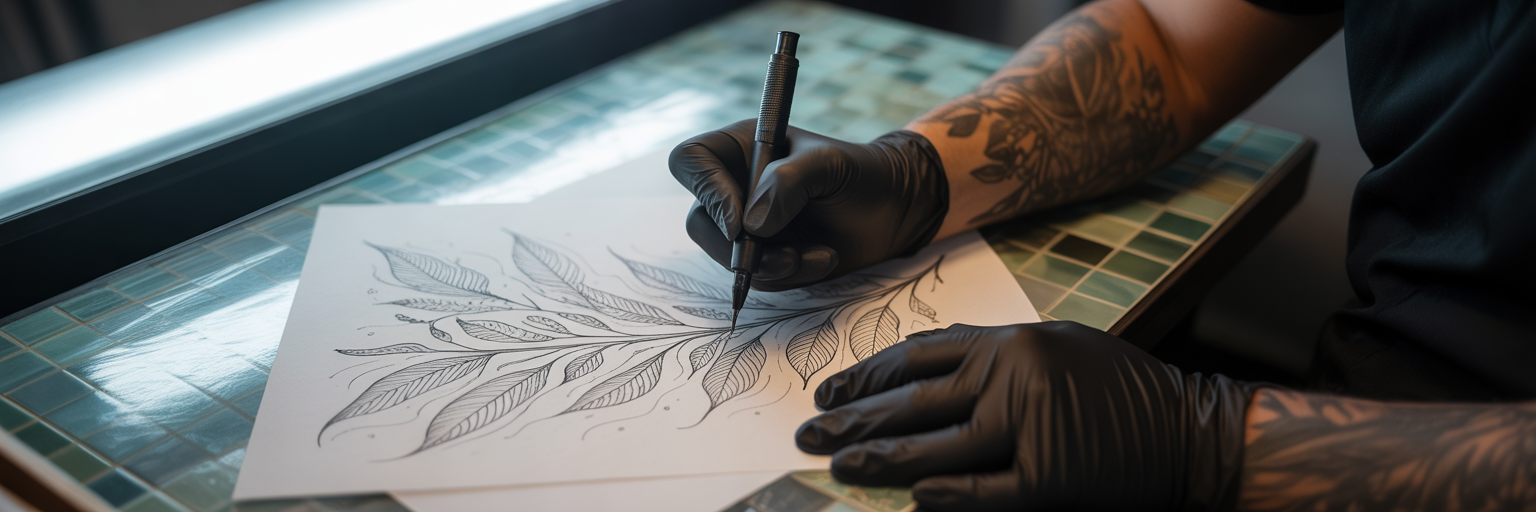
Once your scar is ready, the creative journey begins. A successful scar cover up tattoo in Singapore is more than just hiding something; it’s about creating a design that works in harmony with your body. The best outcomes arise from a close collaboration between you and your artist, ensuring the final piece is not only beautiful but also deeply personal. There are three main artistic strategies we can explore.
The Decorative Approach: Integrating the Scar
This strategy embraces the scar’s unique texture and shape, making it an integral part of the artwork. Instead of fighting the scar, the design flows with it. Imagine flowing botanicals where the scar tissue forms a stem, or waves of water where the raised texture adds a three-dimensional effect. Smoke, fabric, or abstract patterns are also excellent choices. This approach is particularly effective for a surgical scar cover up tattoo, where the linear shape can become a branch, a sword, or the spine of a mythical creature. The goal is to transform the scar from a focal point of memory to a feature of the art.
The Camouflage Approach: Blending with Skin Tones
For those who prefer to minimise the scar’s visibility, camouflage is a highly specialised technique. This process, often called paramedical tattooing, uses custom-blended skin-toned pigments to match the surrounding area. It is a meticulous process that requires an artist with a deep understanding of colour theory and skin science. As detailed by My Transformation, artists often first use corrective pigments to neutralise any red or purple tones in the scar before applying a final colour. This technique doesn’t erase the scar’s texture, but it can significantly reduce its visual contrast, making it far less noticeable.
The Distraction Technique: Drawing the Eye Away
Sometimes, the smartest approach is not to touch the scar at all. This is especially true for sensitive tissue or keloids. The distraction technique involves placing a vibrant, detailed, and compelling tattoo adjacent to the scar. By creating a strong focal point nearby, the eye is naturally drawn to the new artwork, and the scar fades into the background. This is one of the safest and most effective keloid scar tattoo ideas. A bold floral piece, a striking geometric design, or a hyper-realistic portrait can command attention, effectively shifting the focus and giving you a beautiful piece of art to admire.
The Technical Skill of Tattooing on Scar Tissue
Working on scar tissue is a discipline that separates an experienced artist from a standard tattooist. Scarred skin is fundamentally different from healthy skin. It often has less elasticity, can be more sensitive, and absorbs ink in unpredictable ways. An artist must possess a deep understanding of these variables to achieve a clean and lasting result. As noted by Platinum Ink, turning trauma into art requires a delicate balance of artistic vision and technical precision.
A skilled professional makes several critical adjustments when creating a tattoo over scar tissue. These are not things you can learn from a book; they come from years of hands-on experience. The technical challenges include:
- Managing Skin Elasticity: Scar tissue doesn’t stretch like normal skin. An artist must adapt their hand-stretching technique to create a stable surface without causing discomfort or distorting the design.
- Controlling Ink Saturation: Scars can be tricky. Some areas might absorb too much ink, creating a blurred or "blown out" spot, while others might resist the pigment entirely. This often means an artist must use multiple passes or even schedule several sessions to build up colour evenly and ensure a consistent finish.
- Adjusting for Texture: Tattooing over a raised or indented surface requires foresight. The artist must know how the design will look once it settles on the uneven texture, ensuring the final artwork appears coherent and doesn't warp in an unflattering way.
This expertise is what ensures the tattoo not only covers the scar but also heals beautifully and stands the test of time. It’s a testament to the artist’s craft and their respect for the unique canvas they are working on.
Essential Aftercare for Your New Scar Tattoo
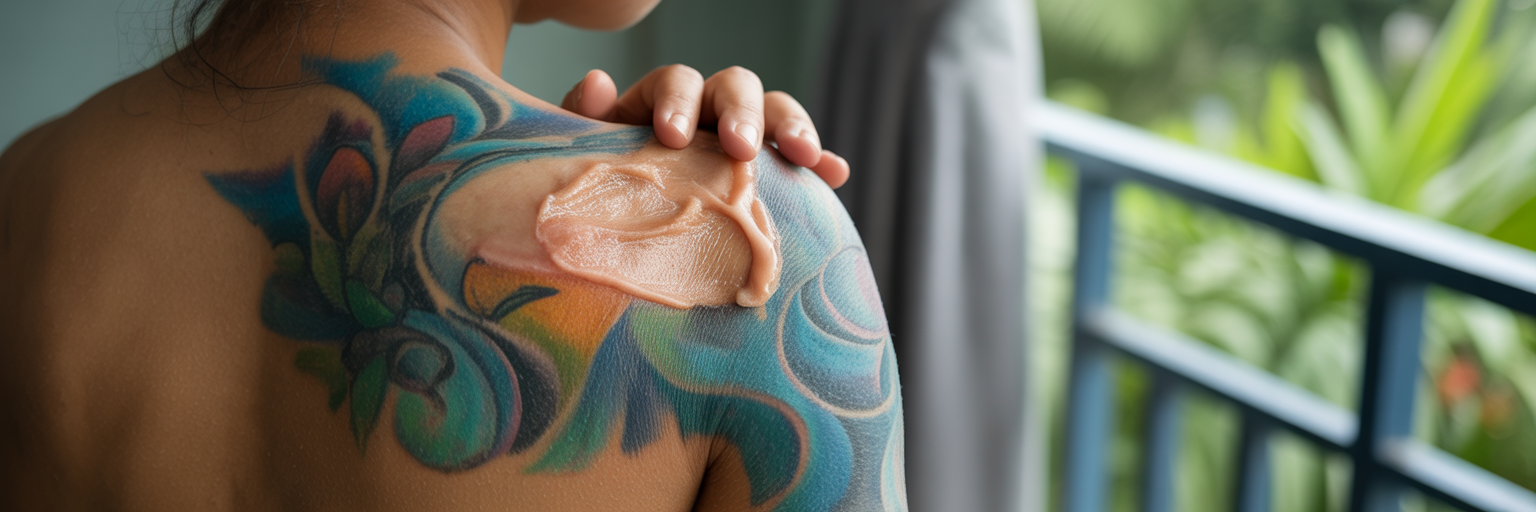
The artistic process doesn’t end when you leave the studio. Aftercare is the final, crucial step, and for a scar tattoo, it demands extra diligence. Because the tattooed skin was already delicate, its healing journey may be longer and require more attention than a typical tattoo. Proper care is what protects your investment and ensures the artwork remains vibrant for years to come.
Here in Singapore, the climate adds another layer to consider. The sun is no joke, and its intense UV rays can cause pigment to fade, especially on sensitive scar tissue. Consistent use of a high-SPF sunscreen once the tattoo is fully healed is non-negotiable. To guide you through the initial healing phase, follow these essential steps:
- Keep the area clean using a gentle, fragrance-free soap and lukewarm water. Pat it dry with a clean paper towel.
- Apply a thin layer of your artist’s recommended fragrance-free lotion. This keeps the skin hydrated without clogging pores.
- Avoid swimming in pools, jacuzzis, and the sea for at least two to three weeks to prevent infection.
- Do not scratch, pick, or scrub the healing tattoo, no matter how much it itches. This can pull out ink and lead to scarring.
- Wear loose, soft clothing over the area to prevent friction and irritation while it heals.
By following these guidelines, you are actively participating in the creation of your art, ensuring it heals perfectly and tells its new story with clarity and brilliance.
Choosing the Right Artist for Your Journey
Finding the right person to entrust with your story is perhaps the most important decision in this process. When searching for the best tattoo artist for scars, look beyond the fresh, glossy photos on social media. Ask to see a portfolio of fully healed scar cover-up work. Healed results, taken months or years later, are the true measure of an artist's skill in working with traumatised skin.
A thorough consultation is non-negotiable. A true professional will insist on seeing the scar in person, discussing its history, and setting realistic expectations with you. They should listen to your story, understand your vision, and collaborate with you on a design that feels right. This is a partnership, not just a transaction. The process is deeply personal, so choosing an artist who makes you feel heard, comfortable, and confident is paramount.
For those beginning their search for a scar cover up tattoo in Singapore, exploring studios that specialise in bespoke, story-driven art is an excellent start. Finding an artist who values this collaborative journey is essential. When you're ready to begin this personal transformation, you can learn more about the bespoke design process at a dedicated studio that believes every tattoo should be as meaningful as the story behind it.