
The Stories Behind the Ink
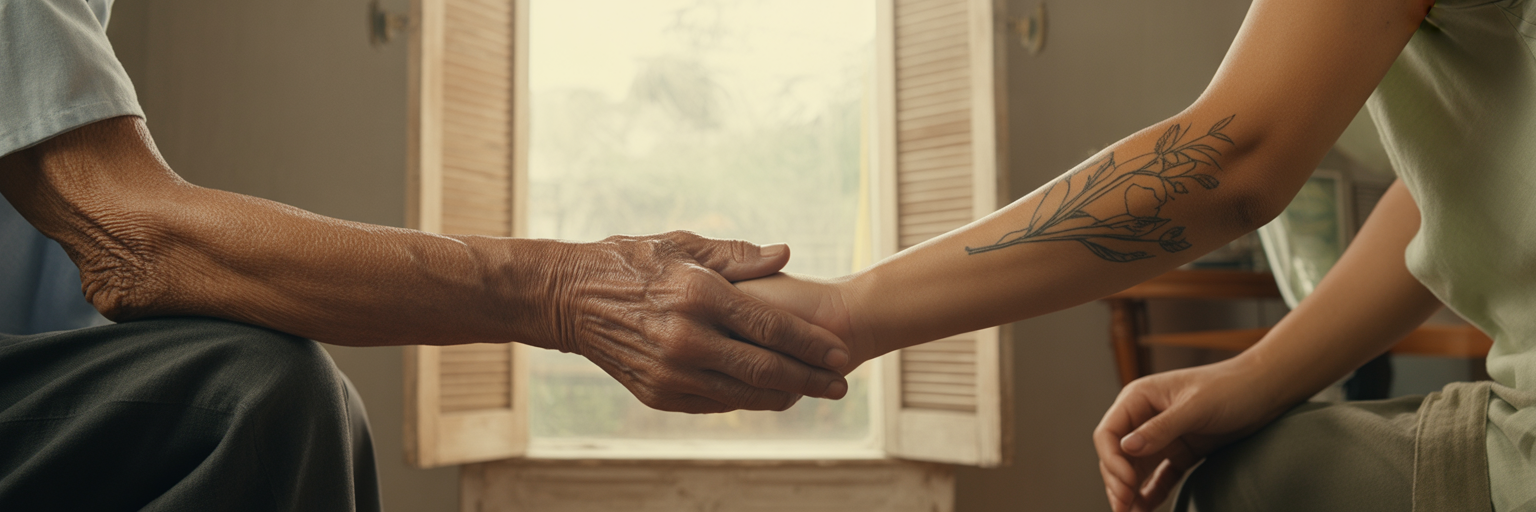
In many cultures, especially across our region, tattoos are far more than skin-deep decorations. They are a visual language, a living record of a person’s lineage, achievements, and spiritual standing. The rich history of Southeast Asian tattoo traditions tells us this clearly. For instance, the intricate Iban tattoo symbolism from Borneo was not chosen from a catalogue; each pattern marked a man’s journey through life or a woman’s celebrated skills in her community.
These powerful markings were often suppressed during colonial periods, viewed as primitive rather than profound. Their revival today is a powerful act of cultural reclamation. As detailed in research like the book 'Truly Tribal' from Columbia University Press, Indigenous practitioners are leading this movement to assert their identity and reconnect with their heritage. This resurgence reminds us that these designs are not simply patterns but earned, sacred documents worn on the skin.
Understanding this context is the first step. The true indigenous tattoo meaning is tied to identity, community, and belonging. These are not public domain graphics but chapters of a living history, and they carry a weight that demands our respect and understanding. Approaching them requires more than admiration; it requires a deep appreciation for the stories they tell.
Appreciation Versus Appropriation in Tattoo Art
So where is the line between admiring a culture and stealing from it? This is where we must distinguish between appreciation and appropriation, a common point of confusion. Appreciation is about engaging respectfully. It means learning the history, following indigenous artists, and supporting their work without taking their symbols for yourself. Appropriation, on the other hand, is taking culturally significant symbols for personal aesthetics, stripping them of their sacred context.
Think of it this way: you can admire the beautiful details of Peranakan shophouse architecture all over Singapore, but you wouldn't claim a family’s specific ancestral crest as your own. The same principle applies here. Your intention to honour a culture doesn't negate the harm caused by wearing a symbol you haven't earned. As Kuaʻāina Associates' Tattoo Guide explains, adopting Indigenous markings without belonging to the culture can erase the very identities they are meant to represent.
Many of these designs are restricted, reserved for those who have earned them through lineage or community rites. Wearing them without that connection is a profound disrespect. These cultural appropriation tattoos dilute sacred traditions into mere trends. Understanding this difference is fundamental to making an ethical and informed decision about your body art.
| Aspect | Cultural Appreciation | Cultural Appropriation |
|---|---|---|
| Action | Learning, listening, and supporting the source culture. | Taking, using, and profiting from cultural elements. |
| Focus | Understanding the context, history, and meaning. | Focusing on aesthetics without context. |
| Permission | Engages with consent and follows cultural protocols. | Ignores consent and boundaries. |
| Impact | Amplifies and honours the source culture. | Trivialises and erases original meaning. |
| Example | Buying art prints from an Iban artist. | Copying an Iban Punan design onto your arm. |
Creating Your Own Meaningful Tattoo

After learning what not to do, the path forward becomes clearer. The most powerful tattoos are not copied; they are co-created. Instead of looking outward for inspiration, we encourage you to look inward. Your own life story, heritage, personal triumphs, and even your struggles are the ultimate source material for a design that is authentically yours.
What if you have some indigenous ancestry but feel disconnected from your roots? This is a deeply personal journey of research, learning, and connecting with your community. It’s a conversation to have with elders and family, not a design choice to be made lightly from an online search. A meaningful tattoo can be part of that journey, but it should be the result of it, not the starting point.
This is where a skilled artist becomes a true collaborator. Instead of a generic symbol for "strength," we can design something that represents your specific story of resilience. A tattoo artist consultation in Singapore should be a dialogue where we translate your abstract feelings and personal narrative into a unique, respectful piece of art. The goal at Memory Lane Tattoo Studio is to work with you to create something that is not only beautiful but deeply personal, a philosophy central to our work.
A Guide to Respectful Engagement
For those who admire indigenous art and want to show genuine respect, here are a few clear, actionable steps you can take. These will help you appreciate the culture without crossing the line into appropriation.
- Support Indigenous Artists Directly: Commission them for work they are permitted to share, buy their approved art prints, or amplify their voices on social media. This ensures your money and support go directly into the community.
- Educate Yourself: Seek out books, documentaries, and resources created by indigenous people. This ensures you are learning from the source, not a diluted interpretation. As an article from National Geographic highlights, understanding the spiritual and social roles of tattoos in cultures like Polynesia provides essential context.
- Honour Boundaries: Never ask a tattoo artist to copy a sacred or tribal-specific design you found online. A professional artist will decline, and this refusal is a sign of integrity. This is a crucial practice for anyone seeking respectful tribal tattoos.
- Prioritise Holistic Care: Getting a tattoo is a physical commitment. Proper aftercare is a form of respect for the art and your body. While standard aftercare is essential, some people explore advanced methods for recovery. For instance, some wellness practices focus on cellular repair to manage discomfort, as seen in discussions around how PEMF therapy mats support chronic pain relief.
The Role of a Responsible Tattoo Studio
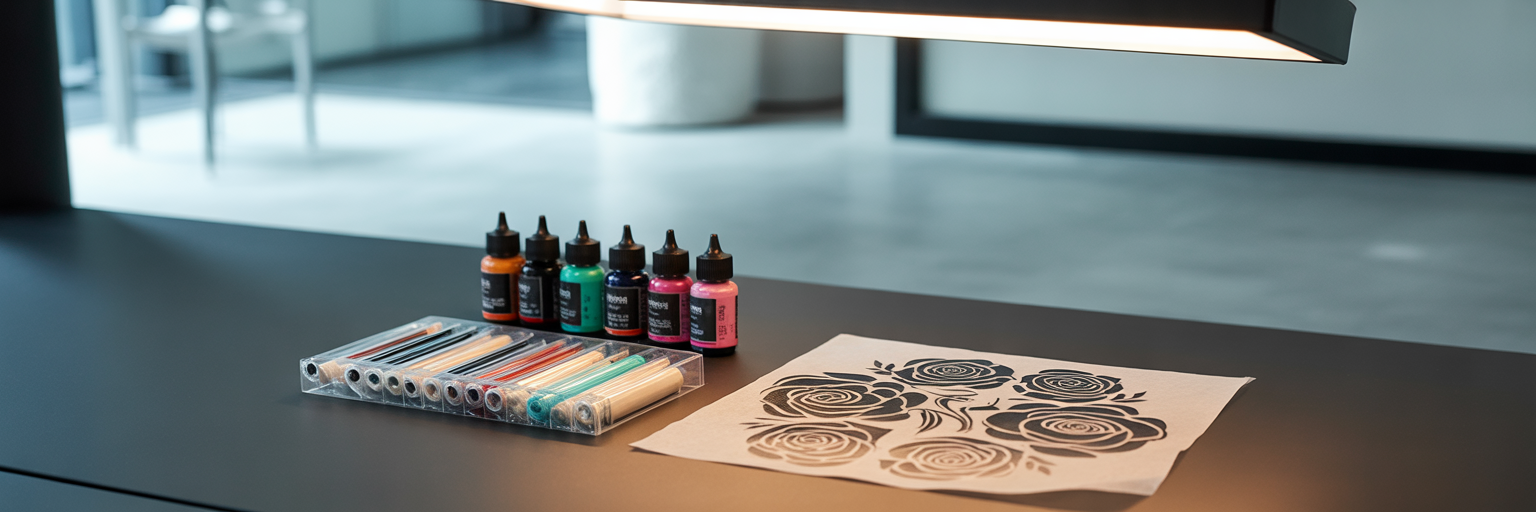
So, what should you expect from an ethical and professional tattoo studio? A responsible artist acts as a guide, not just a technician. The process should always begin with a thorough consultation, where the artist asks about the meaning behind your desired design, especially if it appears culturally specific.
A key role of your artist is to be a creative partner. They should be able to steer you away from appropriation and toward a unique design that captures the spirit you admire without copying protected symbols. A trustworthy studio has firm ethical boundaries and will professionally decline insensitive requests, taking the time to explain why. This is not a rejection; it is a mark of integrity and respect for the art form.
Our mission is to co-create art that is beautiful, meaningful, and respectful in every sense. Your chosen artist should be a guardian of ethical practice, ensuring the ink you wear is something you can be proud of for a lifetime, not just for its aesthetic, but for its story and its soul.