
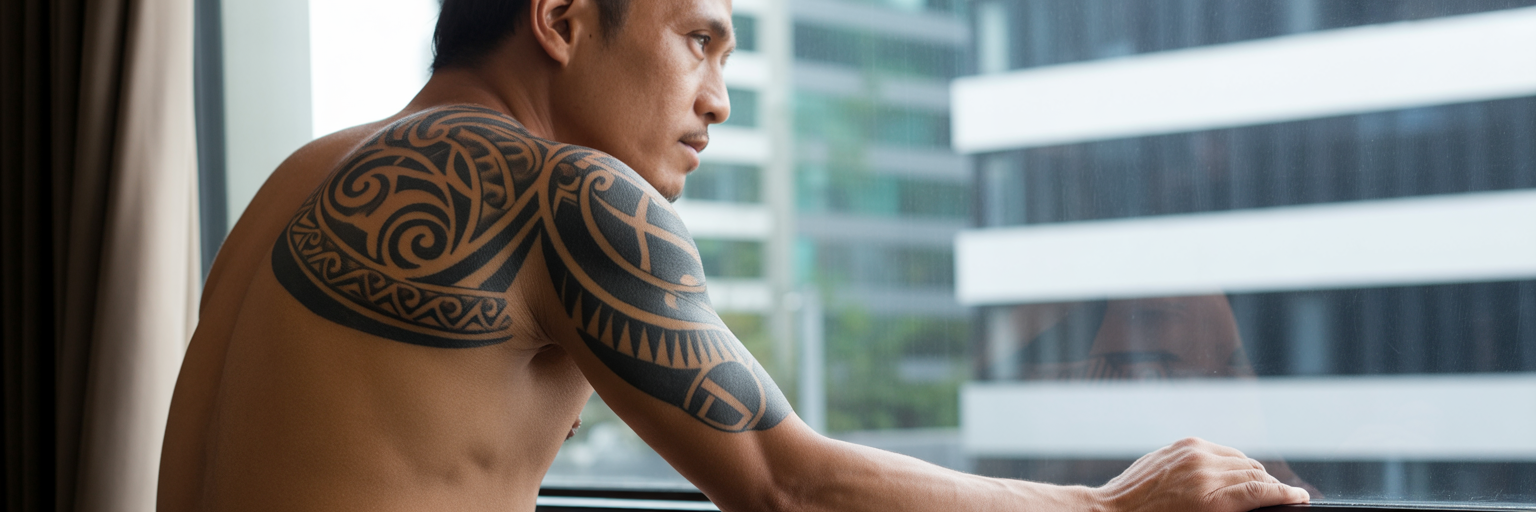
More Than Just Patterns: The Soul of Polynesian Tattoos
Long before tattoos became a global fashion statement, they served as a sacred visual language across the Pacific Islands. As documented by sources like National Geographic, these markings were far more than skin deep; they were identity cards, genealogical records, and spiritual armour. At the heart of this tradition is the concept of mana, a person's spiritual power and life force. Tattooing was a rite of passage, a way to channel and strengthen this mana while honouring one's ancestors and lineage.
This is not about picking a cool design from a catalogue. A true Polynesian tattoo is a narrative etched into the skin, a story of your personal journey, your values, and your heritage. In a multicultural hub like Singapore, where so many of us are searching for meaningful ways to express our unique identities, this ancient art form offers a profound connection to something timeless. It’s a commitment to wearing your story with pride, turning your body into a canvas for a deeply personal history.
Understanding the Different Polynesian Tattoo Traditions
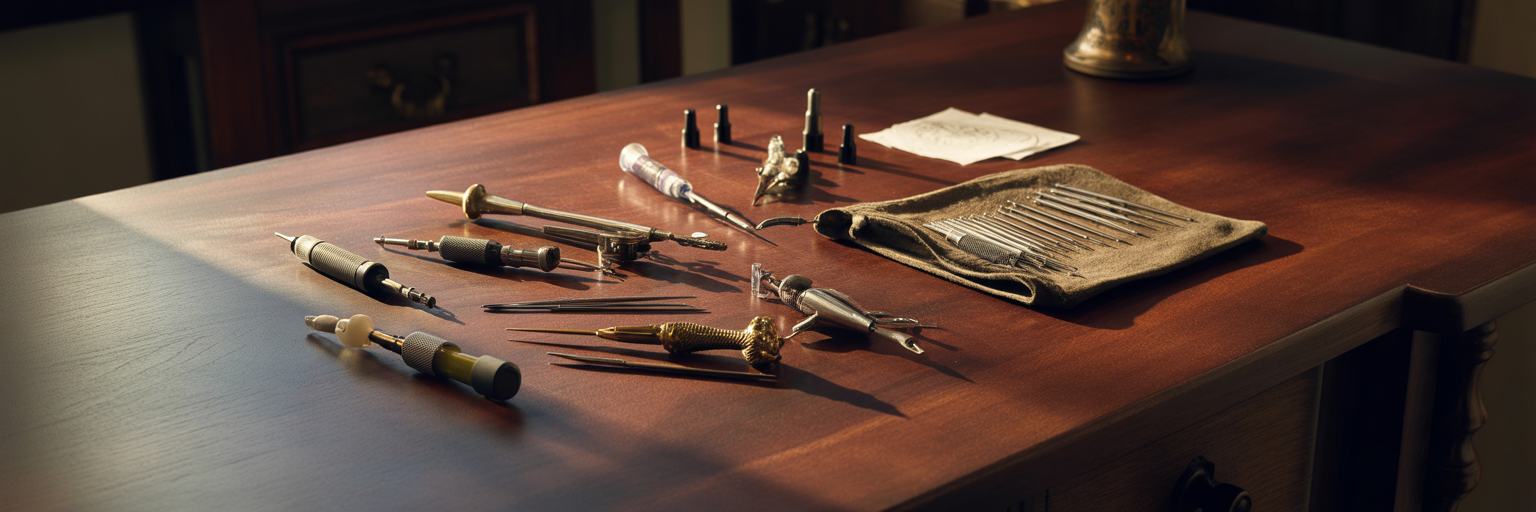
The term "Polynesian tattoo" is often used as a catch-all, but it actually covers a diverse family of distinct cultural traditions. Each style has its own aesthetic, rules, and cultural context. Understanding these differences is the first crucial step in choosing a design that resonates with you. While the origins are complex, as detailed by resources like Tahiti Tourisme, we can identify a few major styles.
For instance, traditional Samoan tattoos, the Pe'a for men and Malu for women, are known for their dense, geometric patterns covering large areas of the body. In contrast, the flowing spirals and intricate lines of Māori tattoo designs, or Tā Moko, are deeply connected to genealogy and social standing. Hawaiian Kākau often draws inspiration from the natural world, featuring motifs of ocean life and native plants. Meanwhile, Marquesan tattoos are recognised for their bold, graphic symbols that once covered the entire body.
Choosing a tradition is about more than just aesthetics. It’s about aligning with the cultural spirit that speaks most directly to your own story and intentions.
| Tradition | Key Characteristics | Common Motifs | Traditional Placement |
|---|---|---|---|
| Samoan (Pe'a / Malu) | Dense, intricate geometric patterns. Symmetrical and covers large areas. | Repetitive lines, dots, and shapes representing social status and family. | Pe'a (men): waist to knees. Malu (women): upper thighs to below the knees. |
| Māori (Tā Moko) | Curvilinear patterns with spirals (koru) and intricate linework. | Designs tell a detailed story of genealogy (whakapapa), tribe, and status. | Traditionally on the face, but also on buttocks, thighs, and arms. |
| Hawaiian (Kākau) | Often asymmetrical, using motifs from nature and mythology. | Ocean elements, native plants, animals (like sharks and turtles), and geometric patterns (pāwehe). | Arms, legs, torso, and face. Placement relates to personal significance. |
| Marquesan | Bold, graphic symbols with high contrast, often covering the entire body. | Tiki figures, lizards, turtles, and geometric patterns representing protection and identity. | Full-body coverage was common, including face, hands, and feet. |
This table provides a simplified overview to help readers distinguish between the primary Polynesian tattoo styles. The characteristics listed are general and can vary significantly based on individual stories and artists.
Decoding the Symbols: A Visual Language
Once you have a sense of the different traditions, the next step is to understand the vocabulary. The symbols are the building blocks of your tattoo's narrative, and understanding Polynesian tattoo meanings is essential. However, these symbols are not like emojis with a single, fixed definition. Their meaning is shaped by the other elements around them, their placement, and the overall story being told. As various cultural guides like Signifika detail, context is everything.
A skilled artist doesn't just arrange these symbols; they weave them into a flowing, cohesive design that is unique to you. Here are a few common motifs and their general significance:
- The Turtle (Honu): A powerful symbol representing family, longevity, and navigation. As a creature that travels vast oceans but always returns home, it signifies the journey of life and a deep connection to one's roots.
- Shark Teeth (Niho Mano): These triangular patterns are a potent symbol of protection, guidance, and strength. In many cultures, sharks are revered as powerful guardians, and their teeth represent a warrior's spirit and adaptability.
- Ocean Waves: The ocean is central to Polynesian life, so waves and currents symbolise the journey of life itself, with its constant changes and continuity. They can also represent the connection to the ancestral homeland across the sea.
- The Sun: A universal symbol of life, brilliance, and leadership. A sun motif often represents richness and grandness, bringing light and energy to the overall design.
Remember, these are just individual words. An artist acts as the storyteller, combining these Samoan tattoo symbols and others into a sentence, a paragraph, and ultimately, your personal epic.
Where You Place Your Tattoo Is Part of the Story
After considering the style and symbols, the next question is where to place the tattoo. In Polynesian cultures, the location on the body is not an afterthought. It adds another layer of meaning to the design, connecting the tattoo’s narrative to the function and symbolism of that body part. Choosing a spot for your tattoo is a deliberate decision that helps define its story.
Think of the body as a map of your life. The back is often associated with the past and your foundations, a place to honour your ancestry. The chest and front torso relate to the future, your aspirations, and what you hold dear to your heart. Tattoos on the arms and shoulders typically represent strength, action, and your role in the community, as they are the parts of you that interact with the world. Finally, the legs and feet symbolise movement, progress, and the path you are walking in life.
A powerful example of this is the traditional Samoan Pe'a, which covers the body from the waist to the knees. This specific placement was historically tied to a man's readiness to serve his family and community, signifying his rank and responsibilities. Your choice of placement is a silent but powerful part of your tattoo's voice.
From Your Life Story to a Custom Design
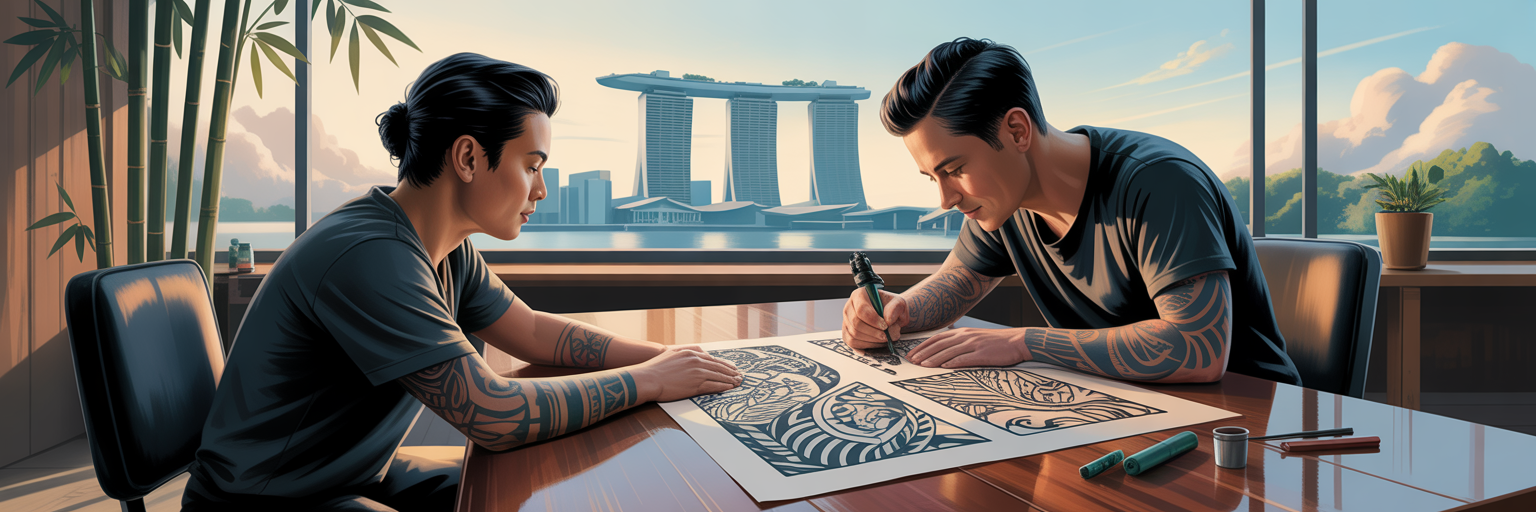
The most meaningful tattoos are born from collaboration. The critical step is finding a knowledgeable and respectful tattoo artist Singapore who understands that this process is a deep conversation, not a quick transaction. This is where your story comes to life. You must be prepared to share your personal narrative: the milestones that shaped you, the values you live by, the challenges you've overcome, and the future you envision.
Just as one prepares for an important meeting to convey their story authentically, preparing for this consultation is key. An artist at a studio like our own Memory Lane Tattoo Studio will listen intently, translating these personal narratives into a unique visual composition. They act as a guide, helping you select symbols and a style that aligns with your journey.
The goal is to create a custom Polynesian tattoo Singapore that is yours and yours alone. It should feel like a second skin, a piece of art that reflects your soul. A genuine design is never copied from a photo online; it is earned through this deep, personal collaboration between you and your artist. This partnership ensures the final piece is not only beautiful but also profoundly authentic.
Wearing the Art with Respect and Honour
Receiving a Polynesian-inspired tattoo is a commitment. It means becoming the custodian of a piece of living history, and with that comes a responsibility to wear it with honour. The line between cultural appreciation and appropriation is crossed when respect is absent. To ensure you are getting one of the many possible respectful cultural tattoos, it is vital to follow a few clear guidelines.
Experts like Lars Krutak have written extensively on how these embodied symbols are tied to identity and spirituality. With that in mind:
- Do not replicate sacred patterns. Specific genealogical designs, known as tapu, belong to a particular family or lineage. Copying someone else's tattoo is not a tribute; it is like stealing their identity.
- Work with a culturally aware artist. Choose an artist who understands the significance behind the symbols. They should create an original design inspired by the tradition, not a direct copy of existing work.
- Honour the story, not just the aesthetic. Your tattoo should be a constant reminder of the story it tells and the rich cultural heritage it comes from. It is a profound personal statement, not merely a decorative accessory.
By approaching this art form with humility and respect, you ensure that your tattoo is a true celebration of both your personal journey and a timeless cultural legacy.