
Your Tattoo Is Forever, Your Artist Choice Matters
A tattoo is more than just ink; it becomes a permanent part of your personal history, a story etched onto your skin. In a city with a tattoo scene as vibrant and diverse as Singapore's, the options can feel endless. Yet, the difference between a masterpiece you’ll cherish and a mistake you’ll want to cover up often comes down to the preparation you do beforehand. Choosing an artist is a critical decision that requires more than a quick scroll through Instagram.
This decision is about finding a partner for a deeply personal process. Rushing into it can lead to that familiar 'sian' feeling of regret, where the final piece doesn't match your vision or, worse, is poorly executed. Before you even think about designs, understanding how to choose a tattoo artist in Singapore is the most important first step. This guide is designed to give you the right questions to ask, ensuring your experience is as meaningful as the art itself.
Question 1: Can I See Your Portfolio, Especially Healed Tattoos?
An artist's portfolio is their technical resume, and it deserves a thorough review. While a fresh tattoo, glistening under studio lights, almost always looks impressive, the real test of an artist's skill is revealed months or years later. How the ink settles into the skin is what separates a good artist from a great one. This is why a proper tattoo artist portfolio check goes beyond just looking at recent work.
Don't be shy about asking to see photos of healed tattoos, especially pieces that are at least a year old. This shows you how their work stands the test of time. A professional artist will be proud to share these examples. When you review them, look for specific quality markers:
- Clean Lines: Are the lines solid, sharp, and consistent? Or do you see fuzzy edges or 'blowouts', where ink has spread unevenly under the skin?
- Colour Saturation: Do the colours remain vibrant and evenly packed? Or are there patchy spots and faded areas that suggest the ink wasn't applied correctly?
- Smooth Shading: In black and grey work, is the gradient from dark to light smooth and seamless? Or does it look blotchy and inconsistent?
- Longevity: The most crucial part. A well-done tattoo should maintain its clarity and form over the years, not blur into an unrecognisable shape.
Looking at healed work gives you an honest preview of what you can expect your own tattoo to look like long after you’ve left the studio.
Question 2: How Do You Ensure Everything Is Safe and Sterile?
While artistry is important, hygiene is the absolute, non-negotiable priority. A beautiful tattoo is worthless if it comes with a nasty infection. Your health should be the primary concern, and any professional artist will agree. The first step for anyone in Singapore is to ensure the studio is licensed. You can check the requirements for a Licence for Establishments Providing Massage or Beauty and Wellness Services on the NEA website to understand the standards studios must meet.
Beyond the studio license, ask if the artist holds a Bloodborne Pathogen (BBP) certification. This shows they have been trained in preventing cross-contamination. Just as event organisers use official registration platforms to manage attendees and ensure legitimacy, a professional tattoo studio must be transparent about its licensing and certifications. It’s a mark of professionalism and accountability.
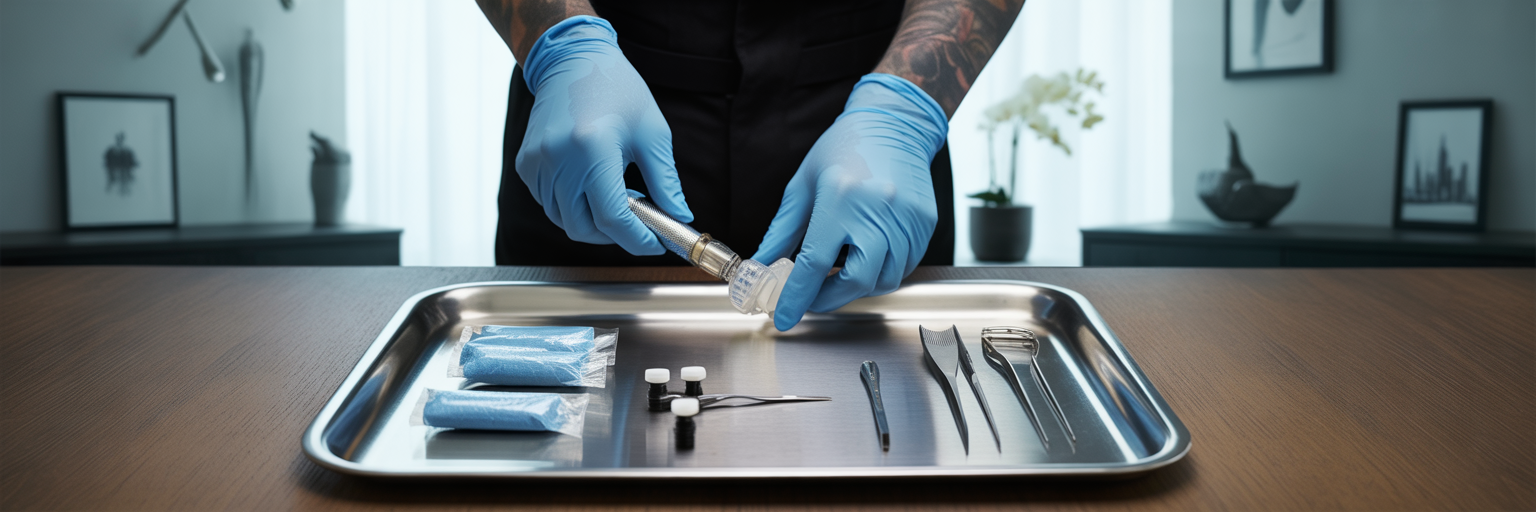
During a consultation, keep an eye out for key safe tattoo practices in Singapore. Needles should be single-use and opened in front of you. Workstations, chairs, and cables should be covered in disposable plastic barriers. The artist should wear gloves at all times. An artist who is proud of their work will be equally proud of their safety protocols and happy to walk you through their process. If they seem hesitant or dismissive of your questions about safety, that is a major red flag. Walk away.
Question 3: What Is Your Process for Creating a Custom Design?
Getting a tattoo is a collaboration. You bring the story, and the artist brings the vision to translate it into art. The custom tattoo design process is where this partnership truly begins, and it’s far more involved than just picking an image from Pinterest. A great artist is a creative partner who listens intently to your ideas, the meaning behind them, and what you hope to express.
During a consultation, the artist should ask clarifying questions. They will offer expert guidance on placement to complement the flow of your body, suggest sizing that ensures the design will age well, and discuss how details will hold up over time. This dialogue is what separates a true custom artist from someone who simply traces. They are co-creating with you. A truly bespoke experience, like the one we curate at Memory Lane Tattoo Studio, involves a partnership where your story is the foundation of the final artwork.
This collaborative spirit should extend to the business side of things as well. After a thorough consultation where the design, size, and placement are agreed upon, the artist should provide a clear and transparent price quote. This ensures there are no surprises, allowing you to focus on the excitement of the creative process.
Question 4: Which Tattoo Styles Are You Best At?
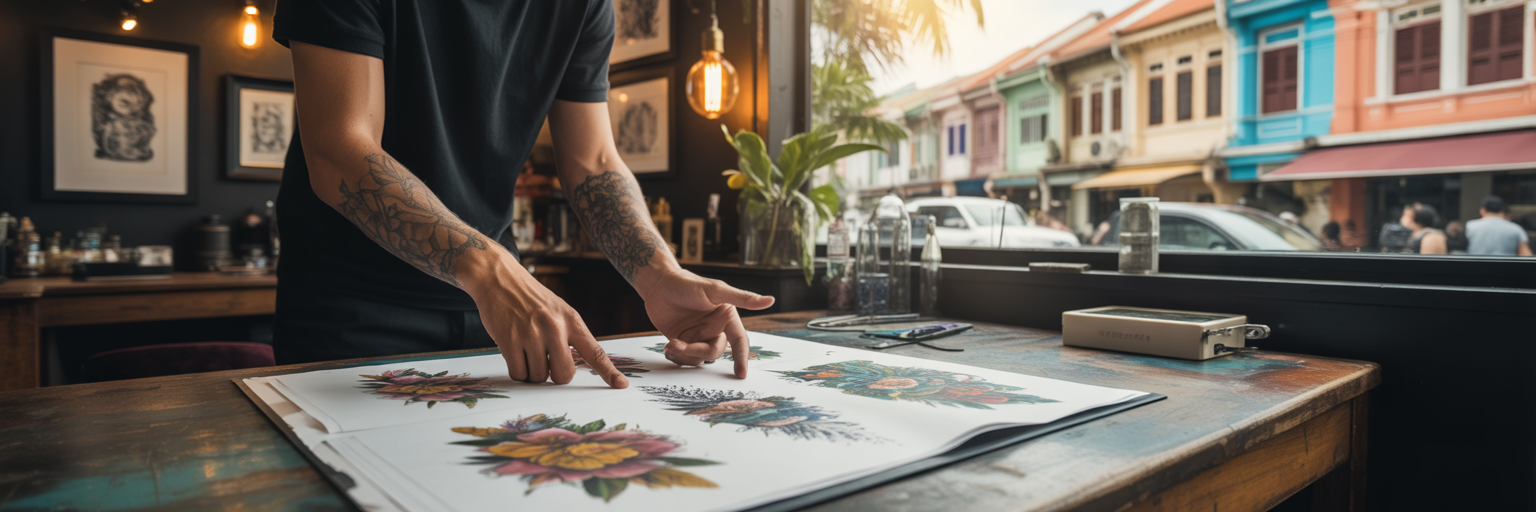
Just like painters or musicians, tattoo artists are specialists. You wouldn't ask a classical pianist to play heavy metal, and you shouldn't ask a traditional artist to execute a hyper-realistic portrait. Asking an artist to work far outside their specialty is often a recipe for disappointment for both of you. The key is to match your desired aesthetic with an artist who has proven expertise in that specific style.
Instead of searching broadly, refine your search to find the best tattoo studios in Singapore *for the style you want*. If you want a delicate, fine-line piece, look for an artist whose portfolio is filled with beautiful, healed examples of that work. Pay special attention if you are looking for a cover-up, as this is a highly technical specialisation that requires a unique skill set in composition and colour theory to effectively hide an old tattoo.
To help you find the right fit, it helps to know the language. Here’s a quick guide to some common styles:
| Tattoo Style | Key Characteristics | Best For |
|---|---|---|
| Fine-Line | Delicate, thin lines; often minimalist and detailed. | Subtle designs, script, and small, intricate pieces. |
| Hyper-Realism | Photorealistic detail, creating a 3D effect. | Portraits, nature scenes, and recreating images with high fidelity. |
| Watercolor | Mimics the soft, blended look of watercolor paintings. | Abstract and vibrant designs with a fluid, artistic feel. |
| American Traditional | Bold black outlines, a limited colour palette, and iconic motifs. | Timeless, classic designs that age very well. |
| Cover-Up | Strategic use of dark inks and complex composition to hide old tattoos. | Transforming unwanted ink into a new piece of art. |
Question 5: What Kind of Aftercare Guidance Will I Get?
An artist’s responsibility does not end when you get out of the chair. The healing process is just as important as the tattoo application itself, and proper aftercare is what ensures your new art looks its best for years to come. This is especially true in Singapore’s hot and humid climate, which presents unique challenges for healing a fresh wound.
A professional artist will provide clear, detailed, and preferably written instructions. They should be able to explain their recommended aftercare routine confidently. This guidance should cover:
- Cleaning Routine: How often to wash the tattoo and what kind of gentle, fragrance-free soap to use.
- Moisturising: Which specific ointment or lotion to apply, how much to use, and how frequently.
- Activities to Avoid: This should include specific, local examples like avoiding public swimming pools or prolonged sun exposure during a day out at East Coast Park.
- Modern Solutions: Many artists now recommend transparent adhesive films, often called 'second skin', which can simplify the initial healing stages. They should explain how to apply and remove it safely.
This commitment to the final, healed result is a hallmark of the best tattoo studios in Singapore. A dedicated artist stands by their work and should be available to answer any follow-up questions you have during the healing process. Their investment in your tattoo should last long after your session is over.