
A bespoke tattoo is a deeply personal collaboration between you and your artist, a piece of art that tells your story. Ensuring that art heals beautifully begins long before the needle touches your skin. The most critical decision you can make to prevent tattoo infections is choosing a professional studio that prioritizes your health as much as their artistry. This guide outlines the essential steps for a safe and smooth recovery, from studio selection to long-term care.
Key Steps to Prevent Tattoo Infections Before Your Session
Your journey to a new tattoo starts with careful research and confident questions. A partnership with a reputable artist is built on trust, and that trust begins with transparency about safety and hygiene. This initial diligence is the foundation for a worry-free experience and a perfectly healed tattoo.
The Importance of Studio Selection
Selecting a tattoo studio is about more than admiring an artist's portfolio. It is about choosing a partner for a minor medical procedure. A professional studio environment is visibly clean, well-lit, and organized. It should feel less like a casual shop and more like a clinical art space. The artists will be welcoming and prepared to discuss your design and their safety protocols with equal importance, viewing client safety as a fundamental part of their craft.
Verifying Hygiene and Licensing
In a regulated city like Singapore, studios are held to high standards. Do not hesitate to ask for proof of the studio’s license and the artist’s certifications. Transparency is a hallmark of professionalism. As the Washington State Department of Health advises, you should always ensure your artist has the appropriate license. A confident and proud artist will gladly show you their credentials and discuss their commitment to maintaining a hygienic environment.
Understanding Sterilization Practices
True safety lies in the details of the sterilization process. The gold standard is unwavering. All needles, ink caps, and grips should be new, single-use, and disposable. Your artist should open this sterile equipment in front of you at the beginning of your session. Any reusable equipment, such as certain machine parts, must be thoroughly cleaned and sterilized in a medical-grade autoclave. An artist who welcomes questions about their sterilization practices is an artist you can trust.
Your First 48 Hours of Tattoo Aftercare
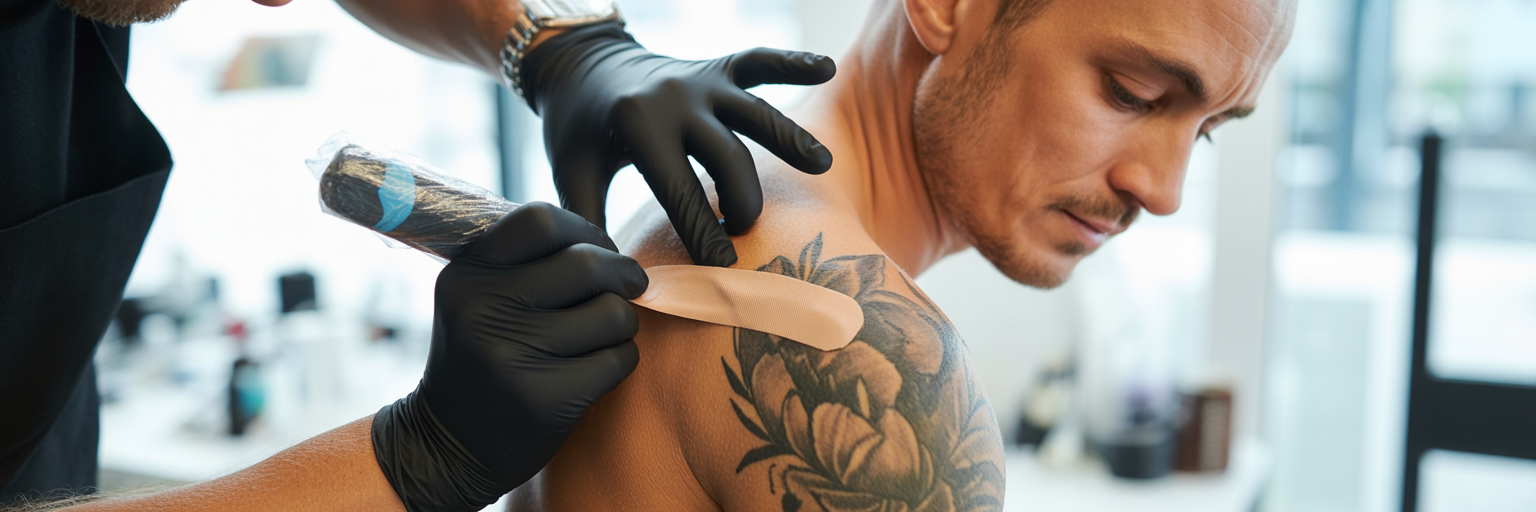
Once your session is complete, the artist will apply a bandage. This is not just a simple covering; it is a sterile shield designed to protect the fresh, open wound from airborne bacteria and friction. Your artist will provide specific instructions on how long to keep it on, typically for a few hours. Adhering to this advice is your first step in successful aftercare.
When it is time to remove the bandage, follow this guide on how to clean a new tattoo carefully:
- Wash your hands thoroughly with antibacterial soap and water before touching the tattoo.
- Gently remove the bandage. If it sticks, you can wet it with lukewarm water to help it release without pulling on the skin.
- Use lukewarm water and a mild, fragrance-free antibacterial soap to wash the area. Apply the soap with only your clean fingertips, moving in a gentle circular motion. Do not use a washcloth, loofah, or sponge, as they can harbor bacteria and be too abrasive.
- Rinse the area completely to ensure no soap residue is left behind, as this can cause irritation.
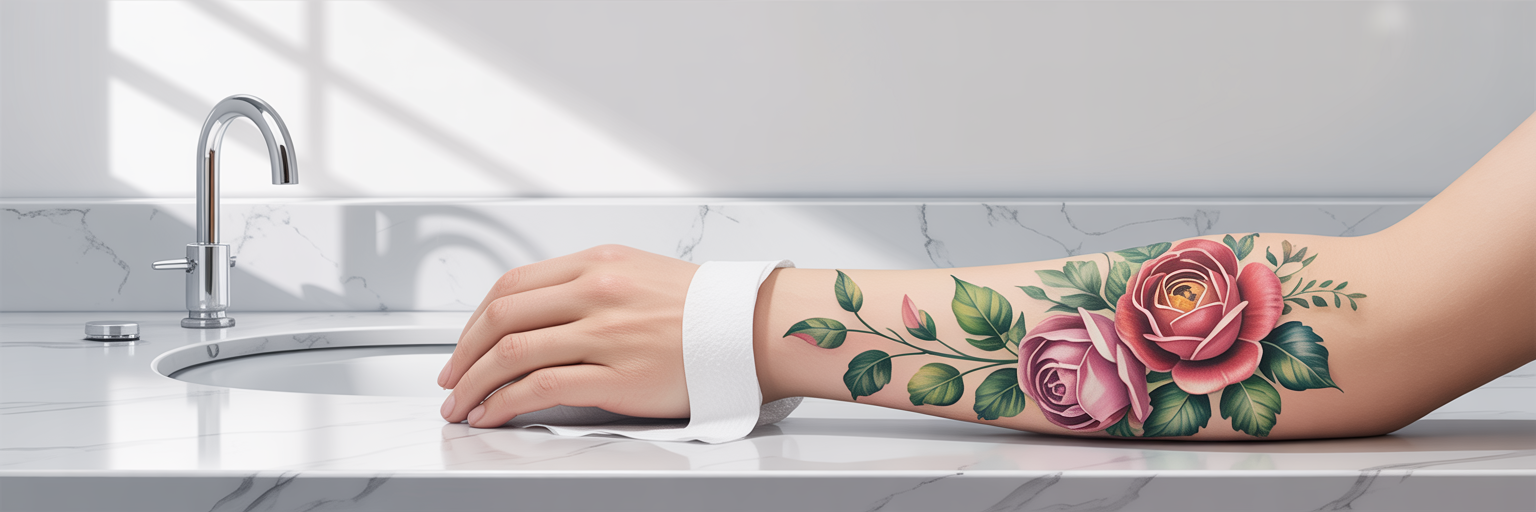
After washing, pat the area dry with a clean, disposable paper towel. Avoid using a cloth towel, which can introduce lint and bacteria to the wound. For the first 24 to 48 hours, the primary goal is to keep the tattoo clean and dry. Most artists advise against applying any moisturizer during this initial period to allow the skin to breathe and begin its natural healing process.
Daily Care for a Smooth Healing Process
After the initial 48 hours, your focus shifts to a consistent routine that supports the tattoo healing process over the next two to four weeks. This phase is about maintaining cleanliness while keeping the skin properly hydrated to protect the integrity of your new art.
Establishing a Cleaning Routine
Continue to wash your tattoo twice daily, in the morning and evening, using the same gentle method with your fingertips and a mild antibacterial soap. This routine removes any weeping plasma, excess ink, and dead skin cells, preventing buildup that could lead to scabbing or infection. Consistency is key to providing a clean environment for your skin to regenerate.
The Art of Moisturizing
After the first day or two, you can begin moisturizing. As highlighted in health essentials from Cleveland Clinic, applying a thin layer of moisturizer is beneficial. Use an artist-recommended, fragrance-free lotion. The goal is to apply just enough to make the skin pliable and prevent it from drying out and cracking, which can damage the fine lines of your tattoo. Over-moisturizing is a common mistake; a thick layer can clog pores and trap bacteria, hindering the healing process. A little goes a long way.
Navigating the Scabbing and Peeling Phase
It is completely normal for your tattoo to develop light scabbing or flake like a sunburn. This is a natural part of skin regeneration. The most important rule during this phase is to never pick, scratch, or peel the healing skin. Doing so can pull ink out of the dermis, leading to patchiness, scarring, and an open wound susceptible to infection. Allow the flakes to fall off naturally, usually during your gentle washing routine. A trusted studio like our team at Memory Lane Tattoo Studio provides comprehensive guidance tailored to your design, ensuring you feel supported throughout your healing journey.
What to Avoid While Your Tattoo Heals
Protecting your new artwork is as much about what you avoid as what you do. During the crucial healing weeks, steering clear of certain environments and activities will safeguard your tattoo from damage and infection. Think of this as creating a protective bubble for your investment.
- No Soaking or Submerging: Your tattoo must not be submerged in water until it is fully healed. This means avoiding baths, swimming pools, hot tubs, lakes, and the ocean. These bodies of water are potential breeding grounds for bacteria that can cause serious infections.
- Protecting Your Art from the Sun: Direct sun exposure is one of the biggest threats to a healing tattoo. UV rays can irritate the sensitive skin, prolong healing, and cause premature ink fading. This is especially important for tattoo aftercare Singapore, where the sun is strong year-round. Keep the tattoo covered with loose, protective clothing when outdoors.
- Choosing the Right Clothing: Wear loose-fitting, breathable fabrics like cotton over your new tattoo. Tight clothing can rub against the healing skin, causing irritation, pulling off scabs, and trapping moisture, which creates an environment where bacteria can thrive.
- Avoiding Excessive Sweating and Intense Workouts: It is wise to pause strenuous exercise for at least the first week. Excessive sweat can irritate the tattoo, and gym equipment can be a source of bacteria. Light activity is fine, but listen to your body and keep the area clean and dry.
Identifying Signs of Infection or Allergy
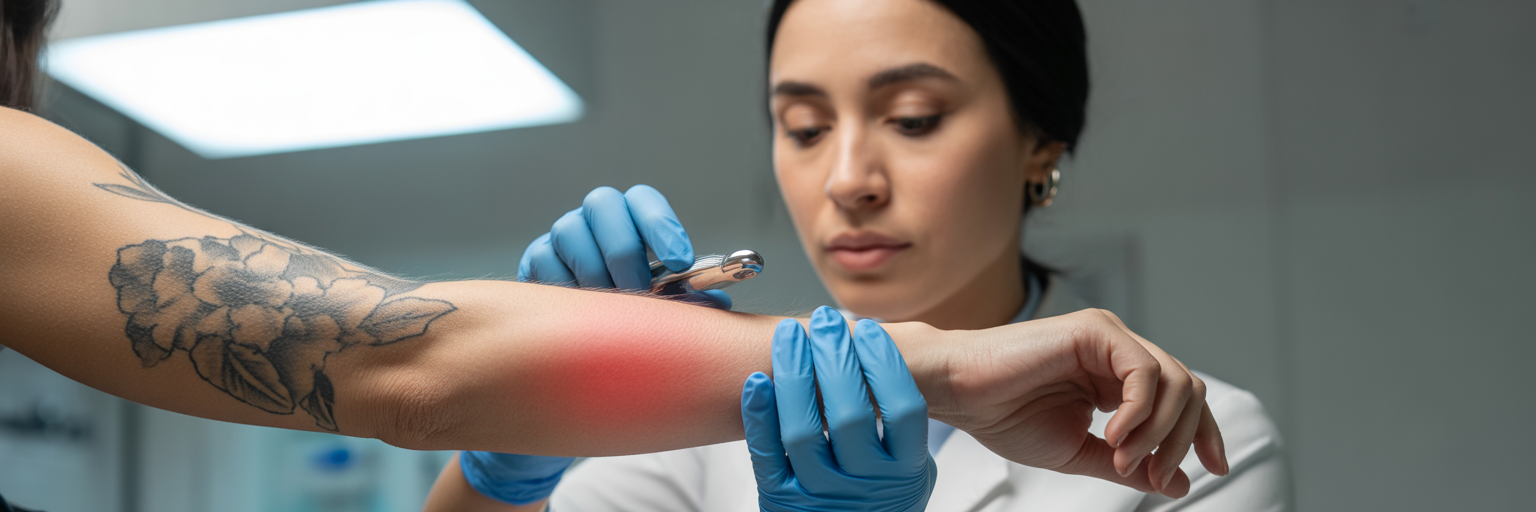
Understanding the difference between a normal healing response and the signs of an infected tattoo empowers you to act quickly if a problem arises. While some redness and tenderness are expected, certain symptoms warrant immediate attention. The table below helps differentiate between the two.
| Symptom | Normal Healing | Potential Sign of Infection |
|---|---|---|
| Redness | Mild redness around the tattoo that subsides after a few days. | Redness that spreads, darkens, or gets worse over time. |
| Swelling | Minor swelling and puffiness that decreases daily. | Significant or increasing swelling after 3-4 days. |
| Pain | Tenderness similar to a sunburn that gradually fades. | Throbbing, sharp, or worsening pain. |
| Discharge | Clear or slightly colored plasma that weeps for 1-2 days. | Thick, yellow, or green pus with a foul odor. |
| Skin Temperature | Slightly warm to the touch for the first day or two. | Area feels very hot to the touch after several days. |
This table outlines common symptoms to help differentiate between a normal healing process and a potential complication. Always consult a professional if you are unsure.
As Cleveland Clinic notes, systemic symptoms like a fever or chills accompanying these local signs require immediate medical attention. It is also possible to have an allergic reaction to the ink, which may appear as a persistent rash, bumps, or intense itching. If you notice any signs of infection, it is crucial to seek professional medical advice. For non-emergency concerns, an urgent care center can provide a timely assessment. Never attempt to self-diagnose or treat a potential infection.
Long-Term Care for Lasting Vibrancy
Once your tattoo is fully healed, your focus shifts from recovery to preservation. Proper long term tattoo care ensures your art remains as vibrant and sharp as the day you received it. The single most important habit is sun protection. Consistently applying a high-SPF, broad-spectrum sunscreen to your tattoo before sun exposure will prevent UV rays from fading the ink and blurring the lines over time.
Alongside sun protection, maintaining a simple daily moisturizing routine keeps your skin healthy and hydrated. Healthy skin is the best canvas for art, helping colors stay bright and blacks remain deep. Over many years, some natural fading is normal. Building a lasting relationship with a trusted artist ensures that any future touch-ups are a seamless and collaborative process. When you return to a studio you trust, you are not just refreshing your art; you are continuing a story with an artist who understands its meaning.