
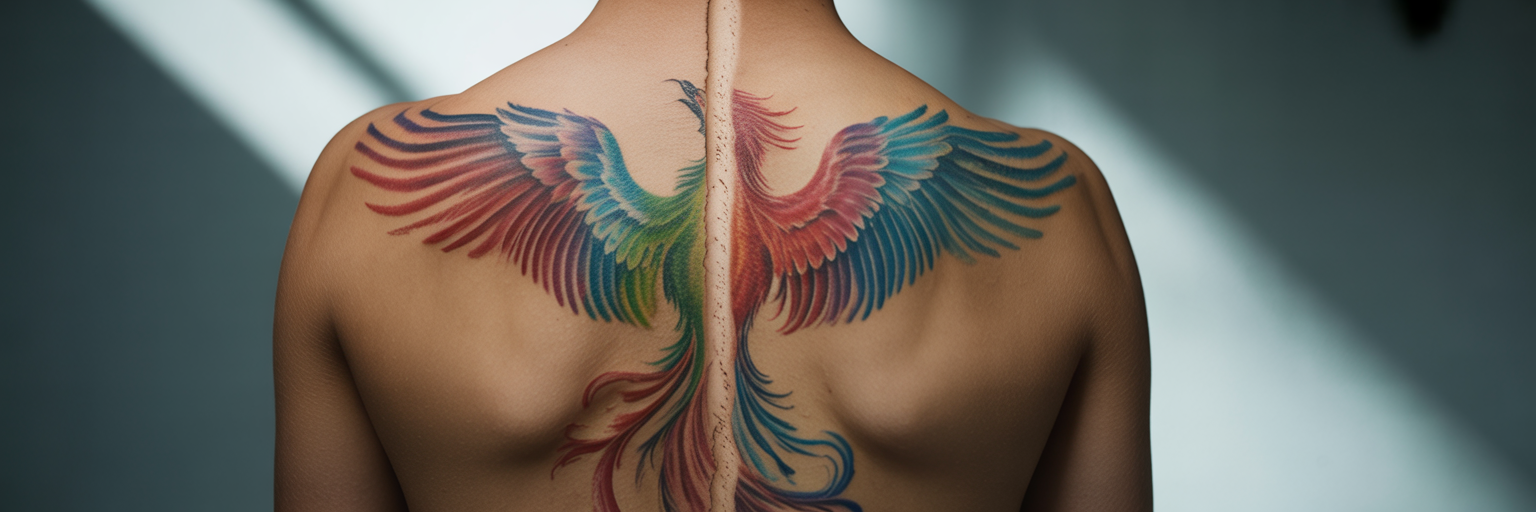
Scars tell stories, but they are not always stories we want to read every day. The idea of transforming these marks is not new; ancient cultures have long used body art to signify healing and resilience. Today, tattooing over scars offers a powerful way to reclaim your narrative, turning a reminder of the past into a piece of art you choose for your future.
First Things First: Is Your Scar Ready for a Tattoo?
Before you even think about designs, the most important step is to determine if your scar is physically ready. A scar is skin that has healed differently, and its tissue is more delicate and less predictable than undamaged skin. Tattooing a scar that is still healing is not just a bad idea; it can cause further skin trauma and lead to a poor artistic result. Patience here ensures the best possible outcome.
A scar that is still red, purple, itchy, or painful is actively healing and not ready for ink. The tissue needs to fully mature, becoming pale, flat, and stable. According to professional guides on the subject, scars should be given at least 12 to 24 months to fully mature before considering a tattoo. This waiting period allows the tissue to stabilise enough to hold ink properly.
It is also important to know your scar type. Atrophic scars, which are slightly indented, and hypertrophic scars, which are raised but confined to the original wound area, can often be tattooed successfully. However, keloid scars, which grow beyond the original injury site, pose a significant risk. The trauma from tattooing can trigger them to grow even larger. This stage is not about art; it is about your health and safety. We strongly recommend consulting your dermatologist or the original surgeon for a medical green light before you approach a tattoo artist. Their approval provides the peace of mind needed to move forward confidently.
Creative Design Strategies for Scar Tattoos
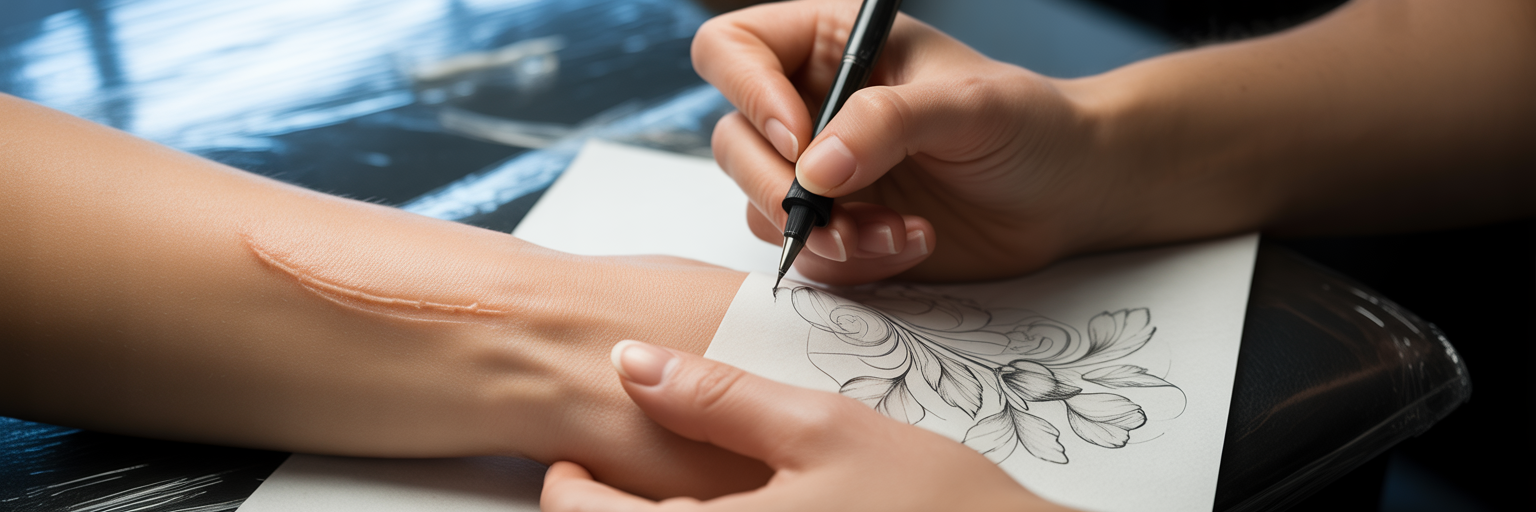
Once you have medical clearance, the creative process can begin. The most successful scar tattoos are born from a philosophy of working with the scar, not against it. Trying to fight the scar’s unique texture can sometimes make it more noticeable. A skilled artist, however, sees the scar not as an obstacle but as part of the canvas itself.
Certain designs are better suited for the uneven terrain of scar tissue. Think about styles that embrace natural imperfection:
- Organic and flowing elements like florals, botanicals, waves, or smoke can beautifully mask irregularities. The natural curves and shading in a flower petal or a plume of smoke can move with the scar’s contours.
- In contrast, rigid geometric patterns or straight lines can appear distorted or warped when placed over a raised or indented surface.
An experienced artist uses colour and shading to create an illusion of depth and flatness. Darker shading can make raised parts of a scar appear to recede, while carefully placed highlights can visually lift sunken areas. This technical skill is crucial for a seamless result. When considering meaningful tattoo ideas, there are a few artistic approaches to explore.
| Approach | Artistic Goal | Best For | Design Examples |
|---|---|---|---|
| Concealment | To completely camouflage the scar within a larger design. | Scars the client wishes to fully obscure from view. | Dense floral arrangements, large animal portraits, intricate patterns. |
| Integration | To incorporate the scar's shape and texture into the design. | Celebrating the story of the scar while transforming its appearance. | A scar as a flower stem, a tree branch, or the flow of a river. |
| Celebration | To make the scar the central, celebrated element of the art. | Reclaiming the scar as a symbol of strength and resilience. | Kintsugi (golden repair) lines, highlighting the scar with decorative elements. |
For example, a long, thin scar can become the stem of a delicate orchid. A textured area could be transformed into the bark of a tree or the scales of a dragon. Some clients even choose to highlight the scar with Kintsugi-inspired lines, the Japanese art of repairing broken pottery with gold. This approach doesn't hide the "break" but celebrates it as part of the object's history, making it more beautiful for having been broken.
Choosing an Artist Who Specialises in Scar Tattoos
With a clearer vision for your design, the next step is finding the right artist. Tattooing over scars is a specialised skill. The skin is less predictable in how it takes ink and heals, requiring an artist who understands how to adapt their technique. Not every great tattooist is an expert in this area, so finding the best scar tattoo artist for your needs requires careful vetting.
When you review an artist’s portfolio, look specifically for a gallery of healed scar cover-up work. Fresh tattoos almost always look good, but healed photos show the artist’s true mastery over challenging tissue. As professional sources like Inkscape Tattoo stress, this is the real proof of their capability. The consultation should feel like a two-way interview. The artist should ask about your scar’s age and origin, and you should feel comfortable asking them direct questions. A true professional will welcome your diligence.
To help you lead the conversation, here are some essential questions to ask:
- Have you worked on scars similar to mine before? Can I see healed photos?
- What design approach would you recommend for my scar, and why?
- How might the tattooing process feel different on the scar tissue?
- Do you anticipate that this will require more than one session?
The process of selecting a specialist, whether in business or personal artistry, relies on similar principles of due diligence. As noted in a guide on essential strategies, vetting an expert involves assessing their proven track record and ensuring their approach aligns with your specific needs. This principle applies directly when choosing an artist for a tattoo over surgical scar. You are looking for a partner in this transformation, someone with both technical skill and empathy.
What to Expect During Tattooing and Healing
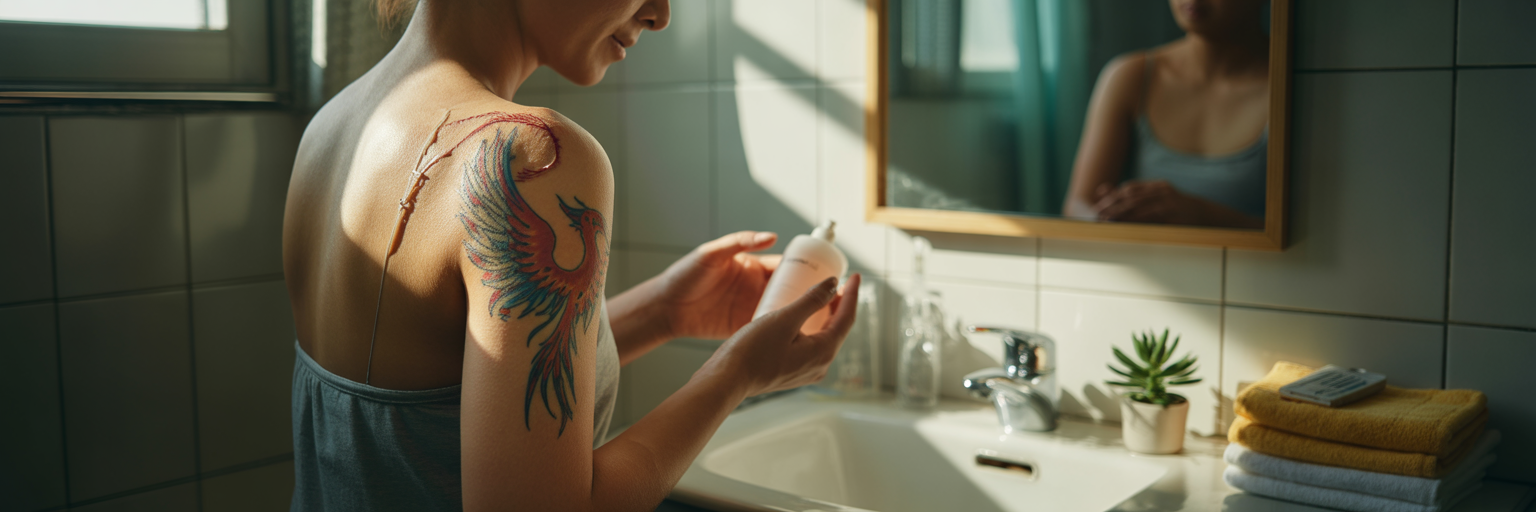
Understanding what to expect during the session and aftercare can help ease any anxieties. An artist working on a scar will likely adjust their technique. They may use a lighter touch, a slower machine speed, or different needle groupings to carefully pack ink without overworking the delicate tissue. The sensation might also vary, with some parts of the scar feeling more sensitive and others feeling quite numb.
The healing process for a scar cover up tattoo Singapore can also be different. Scar tissue might remain swollen or tender for a bit longer than usual, and it is common for the initial healed result to look slightly patchy. This is normal. The way scar tissue holds ink is less predictable, which is why multiple sessions are often part of the plan. As Tattooed Images points out, follow-up touch-ups are frequently necessary to achieve a perfect result. The first session lays the foundation, and a touch-up after 6 to 8 weeks allows the artist to perfect the saturation and details.
Aftercare is absolutely critical. Your artist will provide specific instructions, but here are some key points:
- Keep it clean: Gently wash the area with mild, fragrance-free soap and water.
- Keep it moisturised: Apply a thin layer of the recommended aftercare ointment.
- Let it breathe: Avoid tight clothing that might rub against the new tattoo.
- Stay dry: In Singapore’s humid climate, it is especially important to keep the area dry and avoid prolonged sweating or soaking in water.
Following your artist’s aftercare plan diligently is the best way to protect your investment and ensure your new artwork heals beautifully.
Your New Chapter: Embracing Your Tattooed Story
The moment you see your scar transformed into a piece of chosen art is profound. It marks a psychological shift from being a passive carrier of a mark to an active author of your own story. This is more than a "cover-up"; it is an integration. The tattoo does not erase the past, but it reframes it as a source of strength and resilience that you can wear with pride.
To ensure your artwork remains vibrant for years, long-term care is essential. Singapore’s strong, year-round sun can cause tattoos to fade, especially on the more delicate skin of a scar. Always apply a high-SPF sunscreen to the area before heading outdoors. This simple step will preserve the clarity and colour of your tattoo, protecting the story it tells.
For those ready to begin their own transformation and explore a bespoke custom tattoo design SG, our artists are here to help you write your next chapter. You can learn more about our collaborative process and see stories of transformation here.