

A tattoo is a piece of living art, and its placement is as integral to the final piece as the ink itself. This decision defines how your story interacts with your body’s natural form. Choosing the perfect location for your custom tattoo design is not a final, rushed step but a collaborative discovery between your personal vision and your artist’s expertise. A well-placed tattoo feels like a natural extension of you, moving and aging gracefully over time.
The journey to finding the ideal placement rests on three core pillars, which this guide will explore. We will consider the characteristics of your chosen design, the unique contours of your anatomy, and the practicalities of your daily life. Understanding these elements empowers you to have a more informed and creative conversation with your tattoo artist.
This thoughtful approach ensures the final result is more than just an image on skin. It becomes a piece of art you will cherish for a lifetime, perfectly curated to complement both your body and your narrative.
Aligning Your Custom Tattoo Design with Your Body
The first consideration in tattoo placement is the artistic harmony between the design and your body. This is a conversation about aesthetics, where the goal is to create a piece that looks intentional and balanced. The shape, size, and style of your tattoo will all influence where it feels most at home on your skin. This process is about finding the perfect canvas that allows your artwork to be presented in its best light.
Thinking about placement from the very beginning of the design process allows for a more cohesive outcome. Your artist can tailor the artwork to fit a specific location, ensuring every line and detail works with your body’s form rather than against it. This collaborative approach transforms a simple tattoo into a bespoke piece of art that is uniquely yours.
Following the Body's Natural Flow
Certain designs are enhanced when they follow the body’s natural lines. Linear or organic pieces, such as script, botanical vines, or flowing dragons, gain a sense of movement and elegance when placed along these contours. The length of the forearm, the curve of the spine, or the way a design wraps around a leg can amplify its inherent grace. Placing a design in this way creates a dynamic relationship between the art and the body, making it feel as though it has always belonged there.
Creating a Canvas for Symmetry and Detail
In contrast, some designs require a stable, relatively flat surface to maintain their structural integrity. Symmetrical, geometric, or highly intricate pieces, like mandalas or hyper-realistic portraits, benefit from placements that act as a clear canvas. The chest, upper back, or outer thigh provide broad, even areas where the precision of a custom tattoo design will not be distorted by constant movement or sharp curves. This ensures the artwork’s details remain crisp and its intended symmetry is preserved.
Considering Scale and Impact
The scale of your tattoo is directly linked to its visual impact. A large, detailed piece needs space to breathe and be fully appreciated. Placing an expansive design on a broad area like the back or thigh allows the viewer to take in its full scope. Conversely, a minimalist or fine-line design can feel lost on a large canvas. These delicate pieces are often better suited to smaller, more intimate locations like the wrist, ankle, or behind the ear, where their subtlety becomes a point of focus. As a guide from Tattooed.co suggests, a helpful step is to sketch the design's rough shape on your body with a non-permanent marker. Observing it in a mirror as you move can help you understand how the design interacts with your natural curves before committing.
Considering Visibility, Career, and Lifestyle
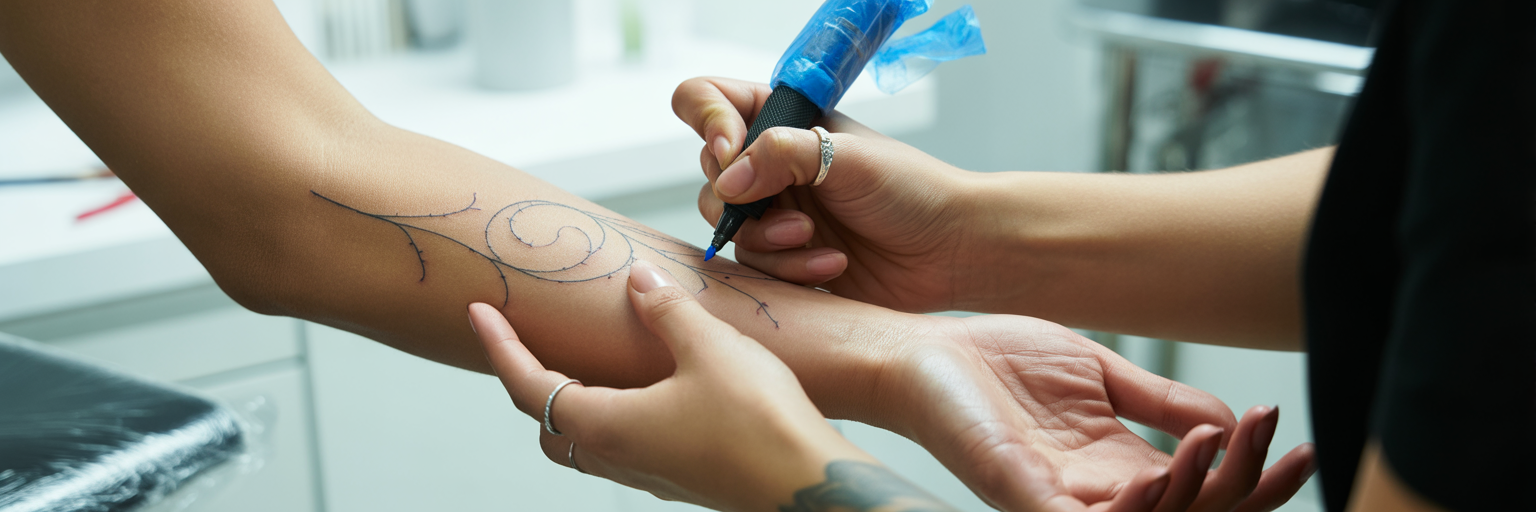
Beyond aesthetics, practical considerations play a vital role in choosing a tattoo placement. It is important to conduct an honest self-assessment of your comfort level with visibility and how a tattoo might fit into your professional and personal life. A tattoo is a permanent part of your identity, and its location should align with your long-term goals and daily routines.
In a dynamic city like Singapore, professional environments can range from creative and expressive to more conservative. For those with careers in corporate sectors or with uncertainty about future professional paths, choosing a placement that is easily covered by standard business attire is a prudent strategy. This allows you to enjoy your art without navigating potential workplace sensitivities. As a guide on Sortra.com notes, evaluating how a location fits with your work life is a key step in choosing the right spot. Considering these factors provides you with practical tattoo placement ideas that suit your lifestyle.
Other daily habits also influence the longevity of your tattoo:
- Physical Activity: If you are an active individual, consider how your gear or movements might affect a healing tattoo. Constant friction from athletic clothing, shoes, or bra straps can irritate the skin and impact how the ink settles in areas like the inner thigh, feet, or shoulders. - Sun Exposure: In the tropical climate of Southeast Asia, sun protection is paramount. Tattoos on frequently exposed areas like the shoulders, forearms, and neck will require diligent application of sunscreen to prevent fading and keep the colours vibrant. - Daily Habits: Even simple routines can affect a tattoo. Frequent hand washing can cause ink on the hands or fingers to fade more quickly, while carrying a heavy backpack might consistently rub against a new shoulder blade piece.
Understanding Pain, Healing, and Long-Term Aging
The physical experience of getting and living with a tattoo is another important layer of the decision-making process. While pain is temporary, understanding what to expect can help you prepare mentally and choose a placement that aligns with your personal tolerance. Pain levels generally correlate with the number of nerve endings, skin thickness, and proximity to bone in a given area.
A tattoo pain chart offers a general framework for what to expect, though it is important to remember that pain is highly subjective. It serves as a useful starting point for a conversation with your artist about what you can anticipate.
| Pain Level | Common Body Areas | Key Consideration |
|---|---|---|
| Low | Outer Arm, Forearm, Thighs, Calves | Fleshy areas with fewer nerve endings. Often recommended for a first tattoo. |
| Medium | Shoulder Blades, Chest, Lower Back | Some bone proximity but generally manageable. Discomfort increases closer to the center of the body. |
| High | Ribs, Spine, Sternum, Feet, Hands | Thin skin directly over bone with many nerve endings. Requires mental preparation. |
Note: This chart offers a general guide, as pain tolerance is highly individual. It serves as a starting point for discussion with your artist.
It is also wise to consider how your skin will age. Areas prone to significant weight fluctuation or muscle growth, such as the stomach or biceps, can stretch or distort a design over time. In contrast, locations like the forearms, calves, and shoulder blades tend to remain more stable. Thinking ahead can also inform future cover up tattoo ideas, as some placements offer more flexibility for later additions or modifications. For those considering their first piece, finding the best place for first tattoo often involves balancing aesthetic desires with a manageable pain level. Ultimately, the goal is to be prepared, not deterred, ensuring you enter the process with confidence.
The Final Step: Your Artist Consultation
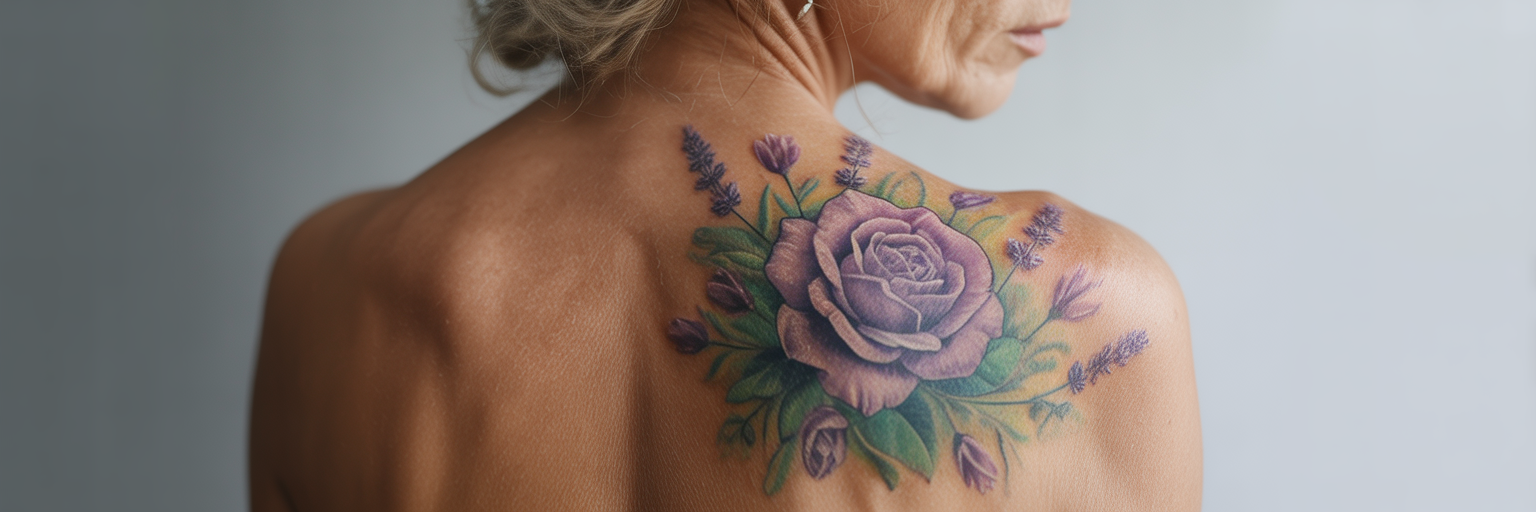
After considering the design, your lifestyle, and the physical aspects of tattooing, the most crucial step is your one-on-one consultation. This is the moment where your preparation meets professional artistry. An experienced tattoo artist Singapore offers insights that no guide can fully provide, assessing your specific muscle structure, skin tone, and anatomy to suggest refinements that will make your design truly exceptional.
At Memory Lane Tattoo Studio, we view the consultation as a partnership. It is a collaborative session dedicated to translating your personal story into a piece of art that is both meaningful and flattering. This is especially vital for complex projects like cover-ups, where an artist’s expertise is needed to transform an old tattoo into something new and beautiful. As noted by Fountainhead NY, consulting your artist is essential to ensure the design harmonizes with your body's unique proportions. We also discuss aftercare as part of this long-term vision, including innovative approaches to support healing. For instance, as mentioned in a practical guide on PEMF therapy, new technologies can help manage discomfort and inflammation during the recovery process.
We invite you to come to your consultation at Memory Lane Tattoo Studio with your ideas and an open mind. Trust in the collaborative process, and together, we will create a timeless piece of art that you will be proud to wear for years to come.