
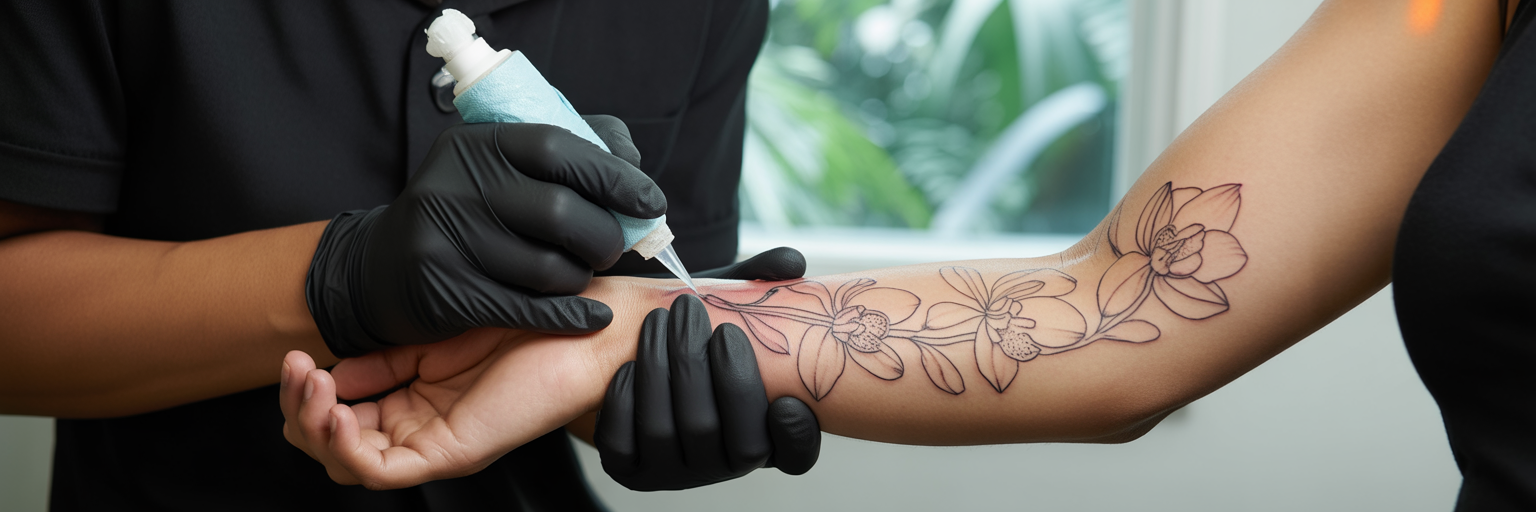
A new tattoo is more than a piece of art; it is a delicate open wound that requires dedicated care to heal beautifully. The initial aftercare is a collaborative effort between you and your artist to protect your investment and health. Understanding the correct steps is essential for preventing tattoo infections, especially in a humid climate like Singapore's. Your artist provides personalized instructions, and following them is the first step toward a flawless result.
Initial Aftercare to Prevent Tattoo Infections
The journey to a perfectly healed tattoo begins the moment you leave our studio. For the first few days, you will notice some inflammation, redness, and weeping of clear plasma. This is your body’s natural and protective response to the process. Your primary role is to keep the area impeccably clean to support this healing. During the first 72 hours, gently wash the tattoo with lukewarm water and a mild, fragrance-free soap. Afterwards, pat the area dry with a clean paper towel. Avoid using a fabric towel, as it can harbor bacteria and leave behind lint.
In Singapore’s climate, moisture management is critical. This is why we advise using a very thin layer of a water-based, fragrance-free moisturiser. Heavy, petroleum-based ointments can trap humidity and sweat against the skin, creating a warm, moist environment where bacteria thrive. This is a common cause of preventable complications. Proper tattoo aftercare Singapore style means allowing the skin to breathe while staying lightly hydrated, setting the foundation for a smooth healing journey.
Navigating the Healing Stages in a Humid Climate
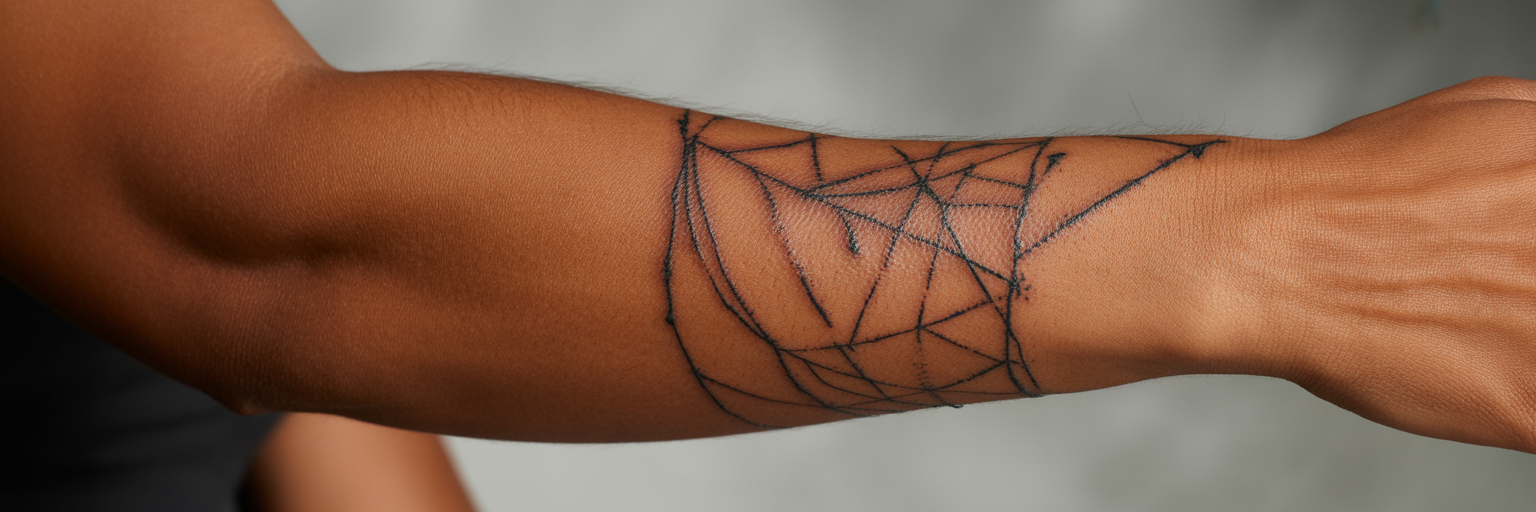
After the initial 72 hours, your tattoo enters the next phase of its healing, a process that typically lasts three to four weeks. During this time, you will notice the skin beginning to peel and feel itchy. This is a positive sign of skin regeneration, but it requires discipline. It is absolutely essential that you do not pick, scratch, or peel the scabs. Doing so can pull ink from the skin, leading to patchiness, scarring, and potential infection.
The persistent humidity in Singapore makes proper tattoo care in humid weather a unique challenge. While the tattoo needs to remain moisturised, excess environmental moisture can work against you. To safely manage the itchiness that accompanies the tattoo healing process, you can:
- Gently pat the area with a clean hand.
- Apply a cool, clean, and damp cloth for a few moments of relief.
To ensure your artwork heals without complication, it is also vital to avoid certain environments and activities for at least three to four weeks:
- Swimming in pools, the ocean, or jacuzzis.
- Using saunas, steam rooms, or taking long, hot baths.
- Exposing the tattoo to direct, prolonged sunlight.
Recognizing the Warning Signs of an Infection
It is important to distinguish between a normal healing process and the early signs of a complication. Some initial redness, minor swelling, and clear fluid are expected. However, you should be vigilant for definitive infected tattoo signs that require immediate attention. Trapped moisture from over-moisturizing can cause scabs to look "bubbly," creating an environment where bacteria can form protective communities. As research on bacterial biofilms shows, these microbial cities are difficult to treat, which is why preventing moisture buildup is so critical.
Pay close attention to these warning signs:
- Thick yellow or green discharge, or pus.
- A foul or unusual odour coming from the tattoo.
- Redness that spreads outwards from the tattoo or appears as red streaks.
- Excessive heat radiating from the site after the first few days.
Pain should gradually decrease after the first 48 to 72 hours. If it worsens or returns, this is a significant red flag. As the Cleveland Clinic explains, infections can arise from various sources, making diligent aftercare your best defence.
| Symptom | Normal Healing Process | Potential Sign of Infection |
|---|---|---|
| Redness & Swelling | Mild and localized, subsides after 2-3 days | Spreads, worsens over time, or appears as red streaks |
| Discharge | Clear or plasma-tinged fluid (weeping) for 1-2 days | Thick, cloudy, yellow, or green pus; may have a foul odor |
| Pain | Feels like a sunburn; gradually decreases daily | Throbbing, intense pain that worsens or returns after improving |
| Skin Temperature | Slightly warm to the touch initially | Feels hot to the touch after the first few days |
| Scabbing & Peeling | Thin scabs and flaky skin, similar to a healing sunburn | Thick, 'bubbly,' or oozing scabs that are excessively painful |
Long-Term Care for Your Art in the Tropics

Once your tattoo is fully healed, the focus shifts from immediate aftercare to lifelong preservation. Your beautiful art is an investment, and protecting it from Singapore’s tropical climate is key to its longevity. The primary threat to your tattoo's vibrancy is the sun. Our region’s high and consistent UV index can break down ink pigments over time, causing colours to fade and lines to blur.
To preserve the clarity and richness of your tattoo, make daily sunscreen application a non-negotiable habit. Choose a broad-spectrum sunscreen with at least SPF 50+ and apply it generously to your tattooed skin whenever it is exposed to the sun. Beyond sun protection, keeping your skin well-moisturised with a quality lotion maintains its elasticity. Healthy, supple skin ensures the underlying artwork remains sharp and defined for years to come. Simple lifestyle choices, like staying well-hydrated, also contribute to overall skin health and, by extension, the enduring beauty of your tattoo.
When to Seek Professional Medical Advice
Our commitment to you extends beyond the artistry to your health and safety. It is vital to understand the distinct roles of your tattoo artist and a medical professional. If you notice any of the warning signs of tattoo infections discussed earlier, you must consult a doctor immediately. While we are experts in tattoo application and aftercare, we cannot diagnose or treat a medical condition. A report from The Straits Times highlights the health risks that can arise, reinforcing the need for professional medical guidance.
Delaying treatment can lead to serious complications. As healthcare providers like Banner Health explain, a doctor may prescribe oral or topical antibiotics to resolve the infection. For individuals with pre-existing skin conditions such as eczema or psoriasis, we strongly recommend consulting a dermatologist before scheduling a tattoo appointment. This proactive step ensures the process is safe for you and supports the best possible outcome for your skin and your art.
Your Studio Choice and Long-Term Tattoo Health
The most important step in preventing complications begins before the needle ever touches your skin: choosing a reputable, professional studio. A safe tattoo experience is rooted in uncompromising hygiene standards and a dedication to client education. When selecting a studio, you should always look for:
- Sterile, single-use needles that are opened in front of you.
- Professionally sanitised equipment, including an autoclave for sterilisation.
- An impeccably clean and organised environment.
The relationship with your artist should be a partnership built on trust and communication. A true professional will not only create beautiful art but will also provide comprehensive guidance on how to heal a tattoo safely. The foundation of a safe and beautiful tattoo lies in the expertise and standards of your chosen artists, a principle central to the work at Memory Lane Tattoo Studio. Ultimately, a masterpiece is the result of a shared commitment: our artistic skill and your diligent care.