
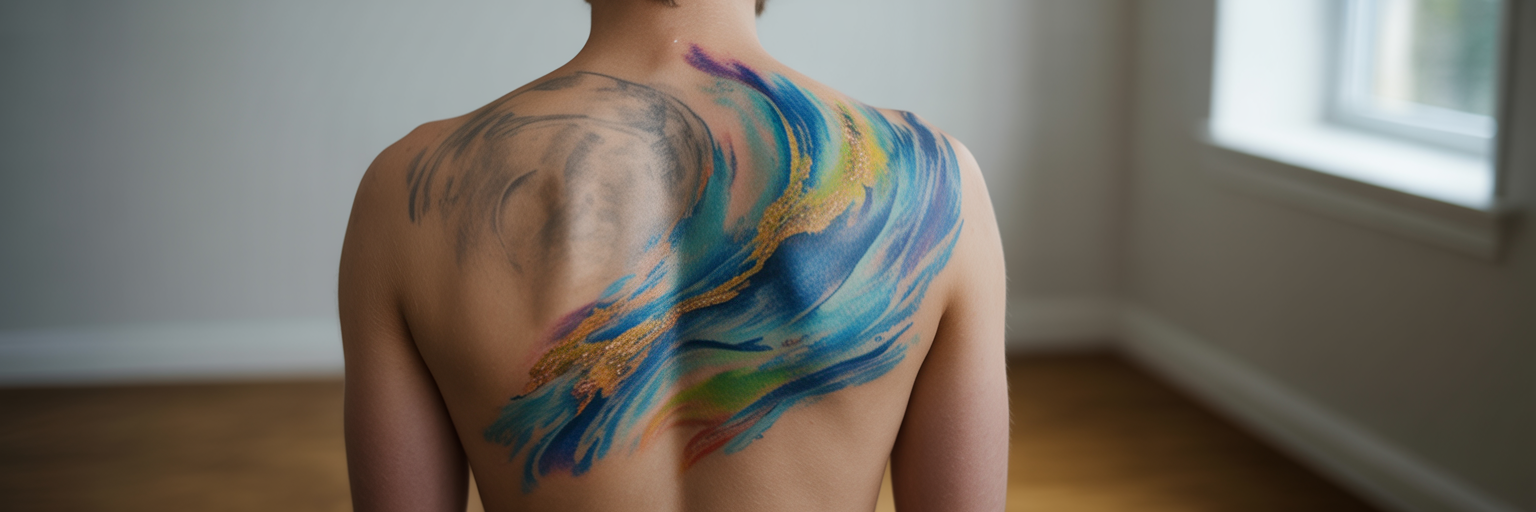
A tattoo is a permanent marker of a moment in time, a story etched into our skin. As we evolve, it is only natural that the art we carry evolves with us, leading many to consider a transformation rather than an erasure.
Understanding the Art of Tattoo Cover-Ups
The journey of transforming an old tattoo begins with understanding the artistry involved. Successful tattoo cover-ups are not about simply hiding old ink. Instead, they are a sophisticated form of art restoration where a new design is masterfully integrated with the old one. The original pigment remains in the skin, so an artist must strategically use elements like darker colours, thoughtful composition, and dynamic flow to draw the eye away from the underlying tattoo.
This technical requirement means a new design will almost always be larger and more detailed than the original piece. This is not an upsell but a creative necessity to ensure the old tattoo is completely camouflaged. The new artwork needs enough space and complexity to absorb the old lines and shading without looking dense or muddy. This is why choosing an artist who specialises in this work is paramount.
When selecting an artist, look beyond initial designs. As industry experts at Logan Square Tattoo highlight, reviewing a portfolio of fully healed cover-up tattoos is the most reliable way to gauge an artist’s skill. Fresh tattoos can look perfect, but only healed work reveals true mastery in blending colours and ensuring the old design does not reappear over time. This knowledge empowers you to make an informed decision for your transformation.
The Collaborative Consultation Process
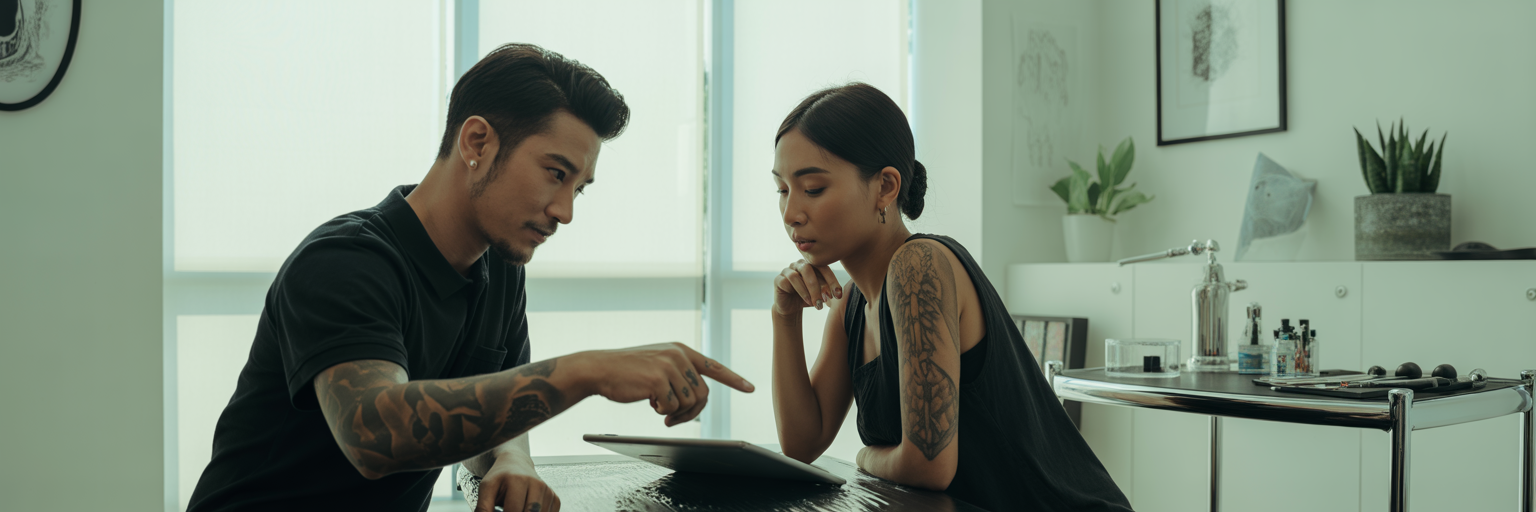
Building on the technical understanding of a cover-up, the next step is the collaborative consultation. This meeting is the foundation of a successful project, where your vision and our artistic expertise merge. To make this session as productive as possible, we recommend preparing a few things in advance.
- Provide Clear Photographs: Take well-lit photos of your existing tattoo from several angles. Ensure there are no filters, as we need to see the true colours and condition of the ink and skin.
- Gather Your Inspirations: Collect reference images for the new design you envision. While it is wonderful to have ideas, maintaining an open mind allows your artist to suggest creative solutions that will work best with your existing piece.
- Share Your Story: Write down the meaning or feeling you want the new tattoo to convey. This narrative helps us create a design that is not only beautiful but also deeply personal to you.
During the consultation, transparency is key. Sharing the tattoo's age, whether it has been touched up, or if there have been previous cover-up attempts provides crucial information for our technical strategy. For anyone seeking a cover-up tattoo Singapore has many talented artists, and at Memory Lane Tattoo Studio, we pride ourselves on this collaborative journey. We provide direct, honest feedback on what is artistically feasible, ensuring the final design is one we create together.
When Laser Fading Is the Best First Step
Sometimes, the most effective path to a beautiful new tattoo begins with strategically lightening the old one. We often recommend laser tattoo fading for cover-up projects, not as a complication, but as a tool to achieve a superior artistic outcome. This approach is particularly beneficial for tattoos that are very dark, densely packed with black ink, or have raised scarring that could interfere with new linework.
The primary advantage is creative freedom. Just one to three sessions of laser fading can lighten the old ink enough to dramatically expand your design possibilities. This allows for the use of lighter colours, more intricate details, and even negative space, which would be impossible over a dark, saturated tattoo. It is important to understand that the goal is fading, not complete removal. This makes the process quicker, more affordable, and less intensive than full laser removal.
| Factor | Laser Fading for Cover-Up | Complete Laser Removal |
|---|---|---|
| Primary Goal | Lighten old ink to create a workable canvas | Erase the tattoo completely |
| Typical Sessions | 1-3 sessions | 8-12+ sessions |
| Outcome | A faded, ghost-like version of the old tattoo | Clear skin (as much as possible) |
| Enables | Greater design freedom, lighter colours, more detail | New tattoo on a blank canvas or no tattoo |
Note: The number of sessions can vary based on ink colour, density, and individual skin type. This table provides a general comparison for planning purposes.
As explained by experts at Poli International, understanding the technical aspects of ink layering helps clarify why fading is so effective. After your final laser session, a healing period of six to eight weeks is necessary before we can begin the new tattoo, ensuring your skin is fully recovered and ready for its transformation.
The Specialized Tattooing Session
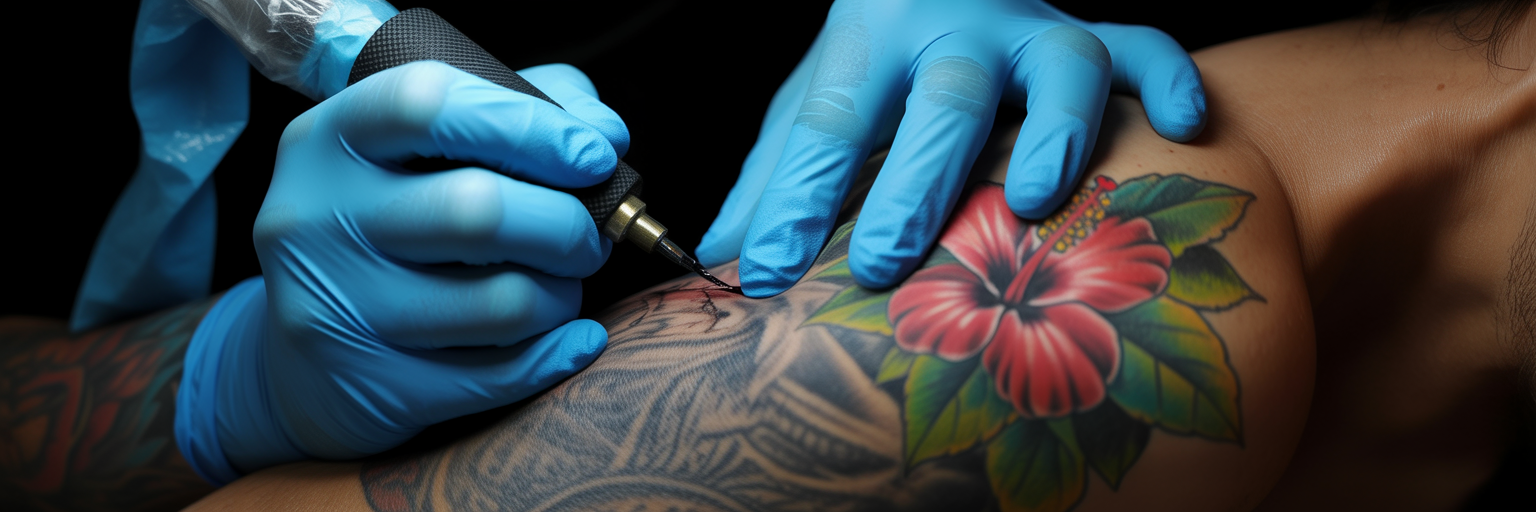
Once the canvas is prepared, either through laser fading or careful planning, we move to the tattooing session itself. This stage is different from a standard tattoo appointment because the artist is working with skin that is already compromised by old ink and potential scar tissue. It requires a specialised technique and a gentle, experienced hand to ensure a flawless result.
Many cover-ups benefit from a multi-session approach. This phased strategy helps manage skin trauma and ensures the new ink remains vibrant and stable. A typical process involves:
- Session 1: We apply an opaque grey or neutral foundation layer. This initial pass is designed to block out the old design and create a new, even base.
- Healing Period: Your skin will need four to six weeks to fully heal and settle. This rest is crucial for the integrity of the final piece.
- Session 2: With the foundation healed, we apply the final colours and details. This layer brings the new design to life over the neutral base, resulting in crisp, vibrant art.
This methodical approach prevents the new and old inks from mixing and becoming muddy, opening up a wider range of tattoo cover-up ideas that would not be possible in a single sitting. It is also worth noting that cover-up sessions may feel different and often take longer than tattooing on clear skin. To see what can be achieved with these expert techniques, we invite you to view examples in our portfolio of healed work.
Aftercare for a Lasting Transformation
The final step in your tattoo transformation is one where you play the leading role. Diligent aftercare is non-negotiable for a cover-up, as the skin requires extra attention to heal properly and ensure the old design remains hidden for years to come. Your commitment to this process protects your investment and our shared artistry.
To help you achieve the best results, here are some essential tattoo aftercare tips:
- Before Your Appointment: In the week leading up to your session, stay well-hydrated and avoid sun exposure on the area. Healthy, moisturised skin accepts ink more effectively.
- Immediate Aftercare: Follow your artist’s specific instructions for cleaning and moisturising meticulously. This is the most critical phase for preventing infection and promoting clean healing.
- Long-Term Protection: Once your tattoo is fully healed, apply a broad-spectrum SPF 30+ sunscreen to the area daily. This is the single most important habit for maintaining your cover-up.
As highlighted in a guide by ReviewTattoo, the longevity of a cover-up is heavily dependent on long-term care. UV exposure is the primary enemy, as it can break down the new pigments over time and cause the darker, underlying ink to become visible again. By protecting your new art from the sun, you ensure it remains vibrant and the old design stays a part of your past. To begin your own transformation journey, we invite you to contact our Singapore studio for a consultation.