

For millennia, tattoos have served as markers of status, belief, and belonging. Today, they have become one of the most profound ways we document our personal histories. A tattoo is more than ink; it is an embodied personal archive, a way to wear one's story on the skin. Understanding the psychology behind choosing tattoos reveals a deep process of externalizing our internal narratives. It is a conscious decision to anchor one's identity and mark significant life transitions with a permanent, visual testament.
This journey of self-discovery is a highly personal one, prompting a reflective question before any ink is applied. What story does your skin tell, or what story do you wish for it to tell?
Understanding the Psychology Behind Choosing Tattoos
For millennia, tattoos have served as markers of status and belief across cultures. Today, they have become one of the most profound ways we document our personal histories. A tattoo is more than ink; it is an embodied personal archive, a way to wear one's story on the skin. Understanding the psychology behind choosing tattoos reveals a deep process of externalizing our internal narratives. It involves anchoring one's identity and marking significant life transitions with a permanent, visual testament.
This choice is rarely spontaneous. It is a contemplative act of translating an internal feeling, memory, or belief into an external symbol. The process itself becomes a part of the story, a deliberate step in claiming and defining one's own narrative. This journey of self-discovery prompts a reflective question: What story does your skin tell, or what story do you wish for it to tell?
Key Motivations for Your Personal Tattoo Story

The decision to get a tattoo is driven by a range of profound psychological motivations. Each piece of art becomes a chapter in a person's life, representing a unique and deeply felt experience. Understanding these drivers can help clarify your own intentions as you consider a design.
Here are some of the primary reasons individuals choose to tell their stories through tattoos:
- Identity Assertion: Tattoos serve as a permanent declaration of self. They can represent core values, spiritual beliefs, cultural heritage, or affiliation with a community. This form of expression is a powerful way to state, "This is who I am," in a world where identity can often feel fluid.
- Marking Milestones: Many people seek tattoos for life milestones such as graduations, marriages, or personal achievements. These act as permanent markers of growth and transition. As experts at Psychology Today note, tattoos can be powerful tools for supporting individuals through these important shifts, providing a sense of permanence and control.
- Grief and Remembrance: A tattoo as personal story can also be a profound act of remembrance. For those processing loss, a tattoo offers a tangible way to keep a loved one's memory physically present, transforming grief into a beautiful and enduring tribute.
- Trauma Reclamation: Tattoos can be an empowering tool for reclaiming one's body and narrative after a traumatic experience. This act of transformation is a powerful statement of survival and resilience, which we will explore further.
| Motivation | Psychological Function | Common Symbolic Ideas |
|---|---|---|
| Identity Assertion | To declare personal values, beliefs, or group affiliation. | Cultural patterns, philosophical symbols, meaningful quotes. |
| Marking Milestones | To commemorate significant life events and achievements. | Dates, coordinates, symbols of growth like trees or mountains. |
| Grief & Remembrance | To create a tangible connection to a lost loved one. | Portraits, names, objects associated with the person. |
| Healing & Reclamation | To regain a sense of agency and transform a painful narrative. | Phoenix for rebirth, lotus for growth, kintsugi for repaired beauty. |
How Tattoos Can Reclaim Your Narrative
Beyond marking milestones, tattoos can serve as a deeply therapeutic tool for healing. The act of choosing a design and enduring the process restores a sense of agency over one's body, particularly after experiences like illness, injury, or trauma that may have left one feeling powerless. It is a way of taking back control and rewriting a painful chapter into a story of strength.
This is especially true for survivors. In fact, a comprehensive review featured on Bioengineer.org revealed that for cancer survivors, tattoos can significantly reduce anxiety and body image distress by helping to construct new, empowering self-narratives. The physical sensation of tattooing itself can be a controlled, grounding experience that transforms a painful memory into a chosen mark of survival.
Some meaningful tattoo ideas often used in this context draw on powerful symbolism:
- The phoenix rising from ashes represents rebirth and overcoming adversity.
- The lotus flower, which grows from mud into a beautiful bloom, symbolizes growth and purity emerging from difficult circumstances.
- Kintsugi, the Japanese art of repairing broken pottery with gold, celebrates imperfections and healing as part of an object's unique history.
Choosing to adorn a scar or a part of the body associated with pain is a declaration that your story did not end there. It is a collaboration with an artist to create beauty from a wound, turning a reminder of what was lost into a symbol of what has been gained: resilience.
Your Tattoo's Story Evolves With You
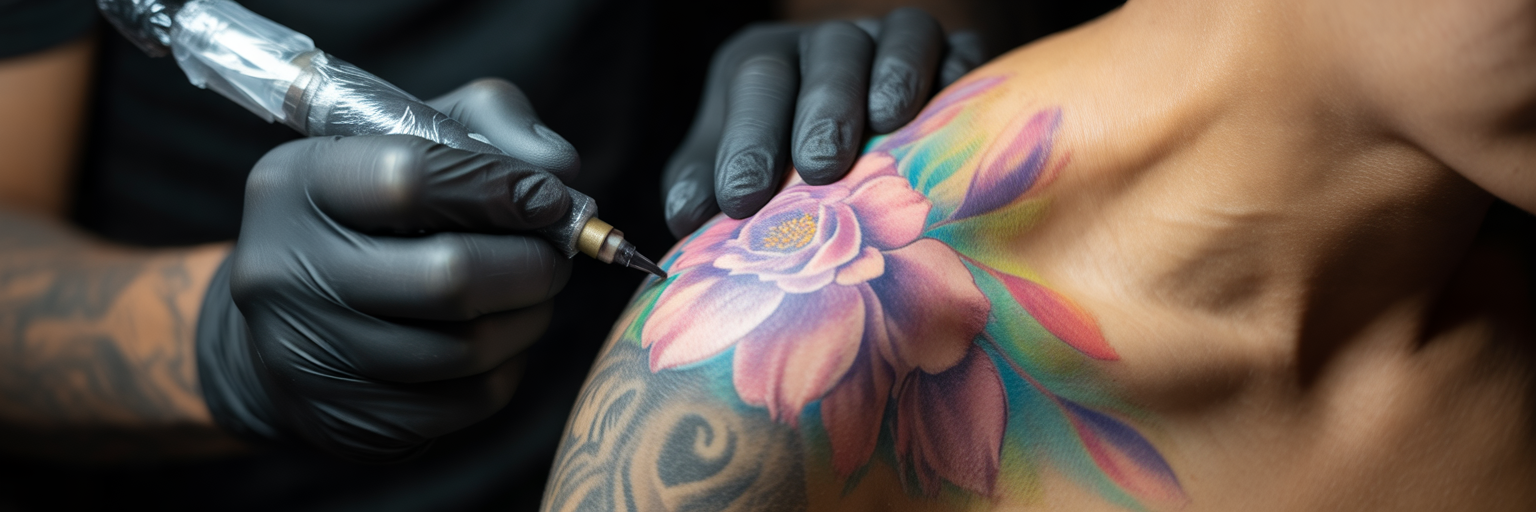
A common concern when considering a tattoo is the fear of future regret. However, this feeling can be reframed as evidence of personal evolution. A tattoo’s meaning is not static; it grows and changes with you. Feeling disconnected from an old tattoo is not a sign of a mistake but a testament to your growth. You are not the same person you were five or ten years ago, and your art can reflect that journey.
This is where the art of the cover-up tattoo comes in. It is not an act of erasure but of story editing. Understanding the cover-up tattoo meaning is to see it as an integration of your past into your present identity. This evolution of self is not unlike other major life changes; just as you might create a new CV to reflect a career change and signal a new professional chapter, a cover-up tattoo can update your personal narrative on your skin.
Transforming an older piece requires immense skill and artistry. A professional artist works with the existing lines and colours to create something new and resonant, building upon the old story rather than simply hiding it. This collaborative process turns what was once a source of dissatisfaction into a renewed expression of self, demonstrating the creative potential in transformation.
Creating Your Tattoo: A Collaborative Process
Bringing a meaningful tattoo to life is a journey that extends beyond personal reflection; it is a partnership. The relationship between you and your artist is paramount, especially when the design is tied to a deeply personal story. A successful tattoo artist collaboration Singapore is built on trust, communication, and a shared artistic vision. It is about finding a professional who respects your narrative and has the skill to translate it into timeless art.
An attuned artist does more than just draw. They listen to your story, understand your emotional goals, and work with you to co-create a design that is both aesthetically beautiful and psychologically resonant. This dialogue ensures the final piece not only looks right but feels right, honoring the significance of its meaning.
At Memory Lane Tattoo Studio, we believe this collaborative process is essential to creating art that truly honors your story. It is a dialogue between skin, soul, and artistic skill, curated with professional care to help you declare your existence with confidence and artistry.