
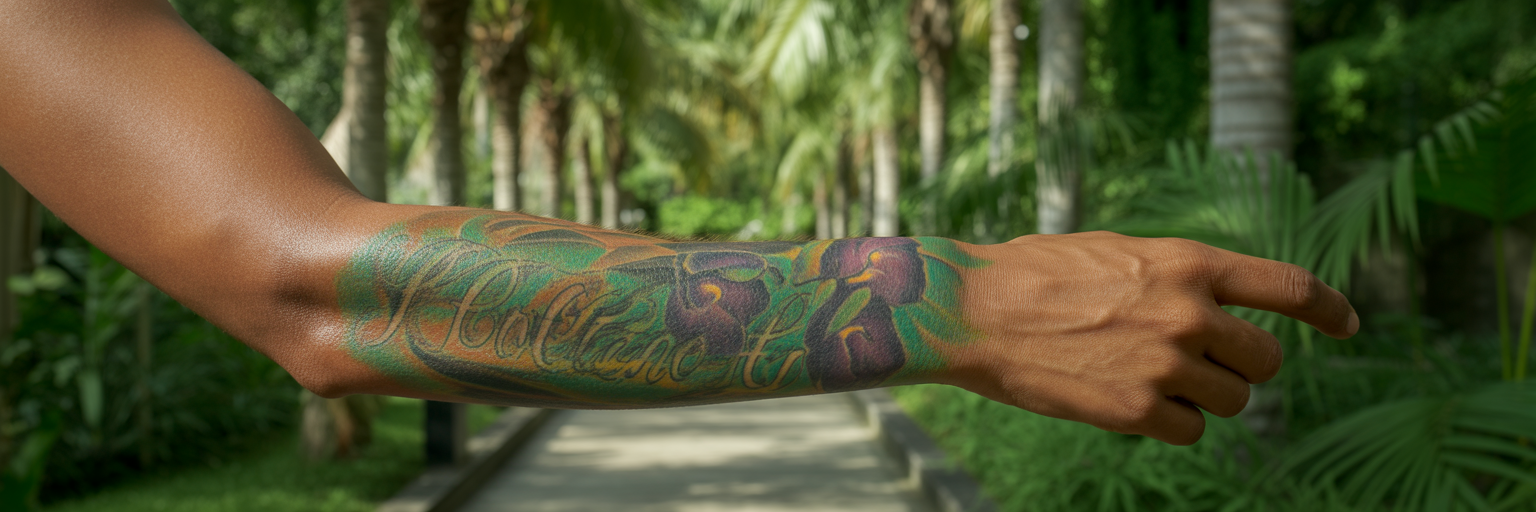
In a climate like Singapore's, where humidity often exceeds 80%, your skin and the art it holds behave differently. This environment requires a more considered approach to aftercare. The key to maintaining tattoo vibrancy long-term begins with understanding how to protect your investment from the moment you leave the studio. A thoughtful plan ensures your bespoke tattoo heals beautifully and remains a source of pride for years to come.
First Steps for Maintaining Tattoo Vibrancy
The intense equatorial UV radiation and high humidity in tropical regions present unique challenges. As guides on tropical aftercare confirm, this persistent moisture in the air can slow the healing process. This is why specialised tattoo care Singapore residents and visitors must practice is so important. Your new artwork is an open wound, and a humid environment can make it more susceptible to bacterial growth if not managed correctly.
With this in mind, we always collaborate with our clients on scheduling. We strongly advise planning your tattoo session for the end of your trip. This allows you to enjoy activities like swimming and sunbathing without compromising the healing of your new piece. It is a simple adjustment that makes a significant difference in the final outcome of your tattoo.
Effective tropical aftercare rests on three core pillars: Cleanliness, Moisturisation, and Protection. Cleanliness prevents infection by keeping the area free of sweat and bacteria. Proper moisturisation supports the skin’s recovery without clogging pores. Finally, protection shields the delicate, healing skin from the harsh sun, which is the primary cause of ink fading. Before you travel, we recommend preparing a dedicated aftercare kit with all the essentials in your carry-on luggage. This foresight ensures you are ready to care for your tattoo from day one.
Your Daily Tattoo Care Routine on Holiday
A consistent daily routine is fundamental to helping your tattoo heal properly while you are away. This practical approach focuses on gentle, mindful actions that respond to the demands of a tropical setting. It is about creating the right conditions for your skin to recover without interference.
Gentle Cleansing in a Humid Environment
Cleanliness is your first line of defence against infection. We advise washing your new tattoo two to three times daily with a mild, fragrance-free liquid soap. Use your fingertips to gently cleanse the area, removing any sweat, grime, or excess ointment. When rinsing, it is best to use bottled or distilled water if you are unsure about the quality of the local tap water. Afterwards, pat the area completely dry with a clean paper towel. Avoid using a cloth towel, which can harbour bacteria and leave behind lint.
The 'Less is More' Approach to Moisturising
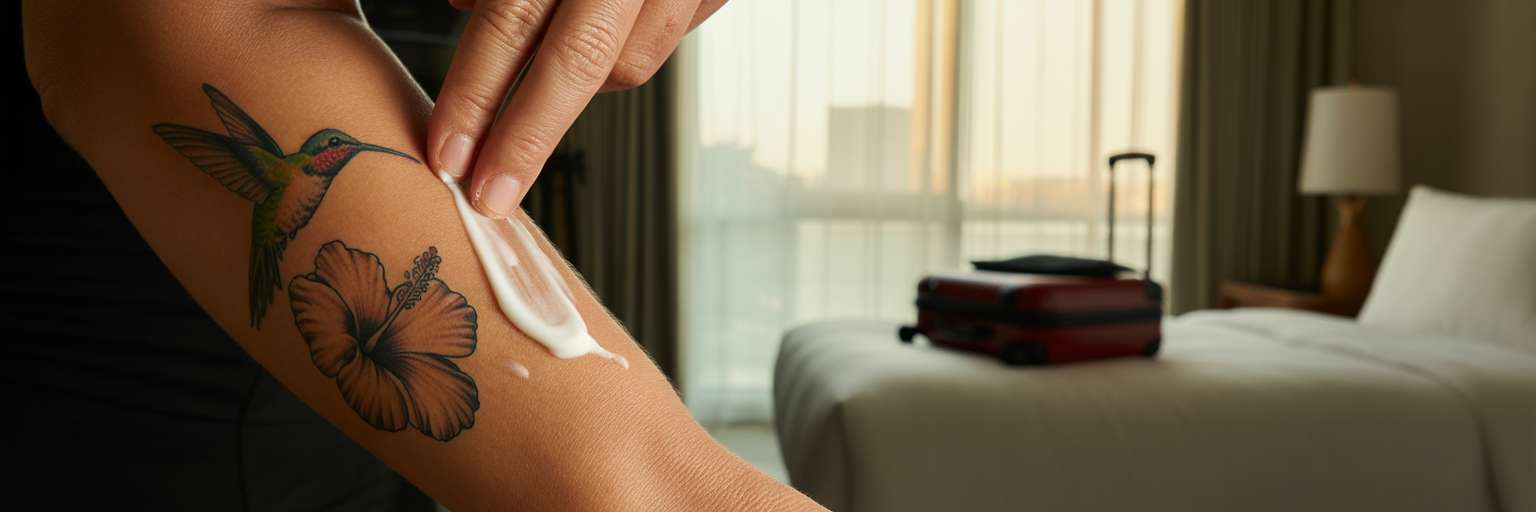
Proper tattoo aftercare tropical climate conditions demand a specific approach to moisturising. While hydration is essential, over-application can trap moisture and hinder healing. As tattoo artists in humid locations like Bali often note, a thin layer of a water-based, non-comedogenic lotion is all you need. Apply it after cleaning and drying your tattoo. A helpful tip: if the tattoo still looks shiny five minutes after application, you have likely used too much. Gently blot the excess with a paper towel. It is also critical to avoid petroleum-based products, as they are too heavy and can clog pores, trapping bacteria.
Managing Sweat and Air Travel
Sweat is unavoidable in the tropics, and as experts point out, it can irritate a new tattoo and introduce bacteria. If you find yourself sweating, rinse the tattoo with clean water as soon as possible and pat it dry. For air travel, the dry, recycled cabin air can dehydrate your skin. We recommend applying a thin layer of moisturiser before you board your flight to keep the skin supple and support the healing process.
Protecting Your Ink from the Tropical Sun
The intense sun in Southeast Asia is one of the biggest threats to the longevity of your tattoo. Diligent sun protection is not just a suggestion; it is a requirement for maintaining tattoo vibrancy. However, the right method for protecting tattoos from sun exposure depends entirely on whether your tattoo is new or fully healed.
For a new tattoo, which is typically in the first three to four weeks of healing, you must not apply any chemical sunscreen. The chemicals can irritate the sensitive skin, trap bacteria, and disrupt the healing process. During this critical period, the only safe method of protection is a physical barrier. Opt for loose-fitting, breathable clothing made from fabrics like cotton or linen. These materials allow air to circulate, which helps prevent moisture buildup while shielding your skin from direct sunlight. Investing in UPF 50+ clothing is a wise choice, as many modern garments incorporate innovative sun protection technologies to shield your skin without trapping heat.
Once your tattoo is fully healed, you can and should use sunscreen. Choose a broad-spectrum, high-SPF (50+) mineral-based sunscreen to form a protective layer over your artwork. Reapply it generously every two hours, and more frequently if you have been swimming or sweating. Remember that UV rays can penetrate clouds, so even on an overcast day, your tattoo is at risk of fading. Consistent protection is the best way to preserve the crisp lines and brilliant colours of your art for a lifetime.
Activities to Skip and Warning Signs to Spot
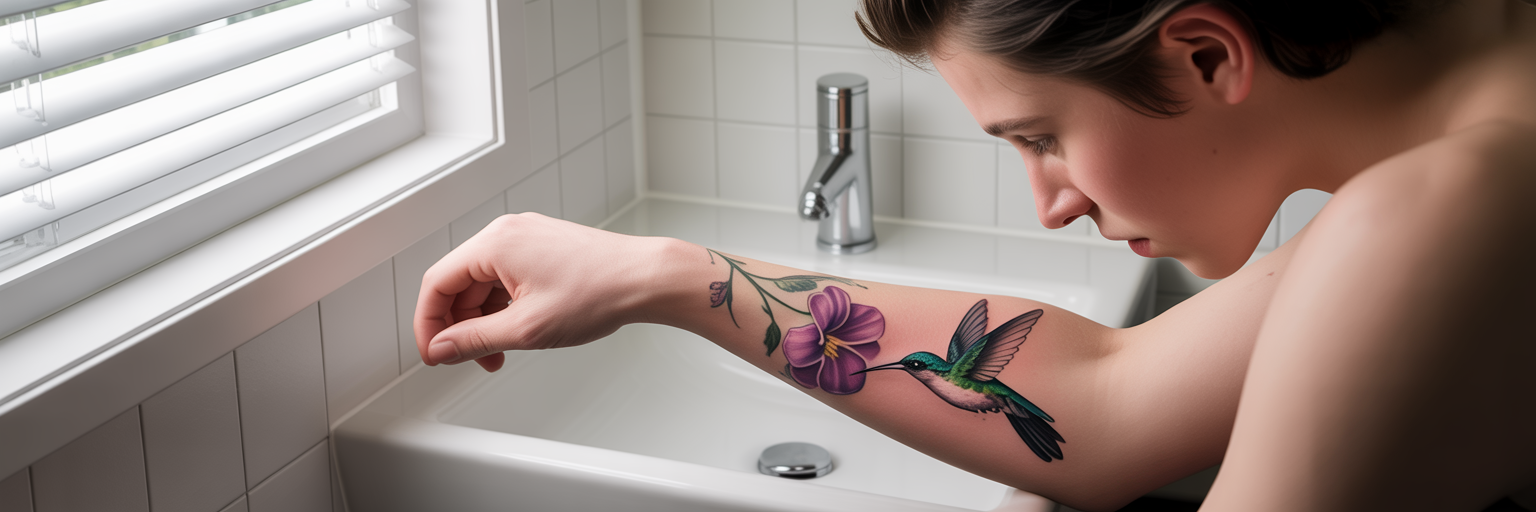
Part of a successful healing journey involves knowing what to avoid. When traveling with a new tattoo, certain activities pose a significant risk to both your health and the integrity of your artwork. Being mindful of these limitations ensures your tattoo heals without complications.
For the entire healing period, typically three to four weeks, you must avoid:
- Swimming: Do not submerge your new tattoo in any body of water, including oceans, lakes, swimming pools, and hot tubs. These are breeding grounds for bacteria that can cause serious infections.
- Direct Sun Exposure: As discussed, keep your new tattoo completely covered from the sun to prevent burning and fading.
- Excessive Friction: Avoid tight clothing, heavy backpack straps, or anything that might rub against the tattoo. Constant friction can damage the delicate new skin and pull out ink.
It is also crucial to distinguish between the normal stages of healing and the signs of a potential infection. The following table offers a clear guide.
| Symptom | Normal Healing (First Few Days) | Potential Sign of Infection |
|---|---|---|
| Redness | Mild pinkness or redness around the tattoo | Redness that spreads, darkens, or forms streaks |
| Swelling | Minor, localized swelling | Excessive swelling that worsens after 3 days |
| Discharge | Clear or plasma-like fluid that forms scabs | Yellow or green pus, or a foul-smelling discharge |
| Pain | Feels like a sunburn; discomfort should decrease daily | Throbbing pain that increases over time |
| Heat | Slightly warm to the touch | Area feels hot to the touch; you may have a fever |
This table provides a clear comparison to help you distinguish between the expected stages of healing and the warning signs of a potential infection that requires immediate medical attention. If you notice any symptoms from the "Potential Sign of Infection" column, seek professional medical attention immediately. Infections in tropical climates can escalate quickly. While a local doctor is your first point of contact, our team at Memory Lane Tattoo Studio is always here to consult with you on your aftercare plan before you travel to ensure you are fully prepared.