
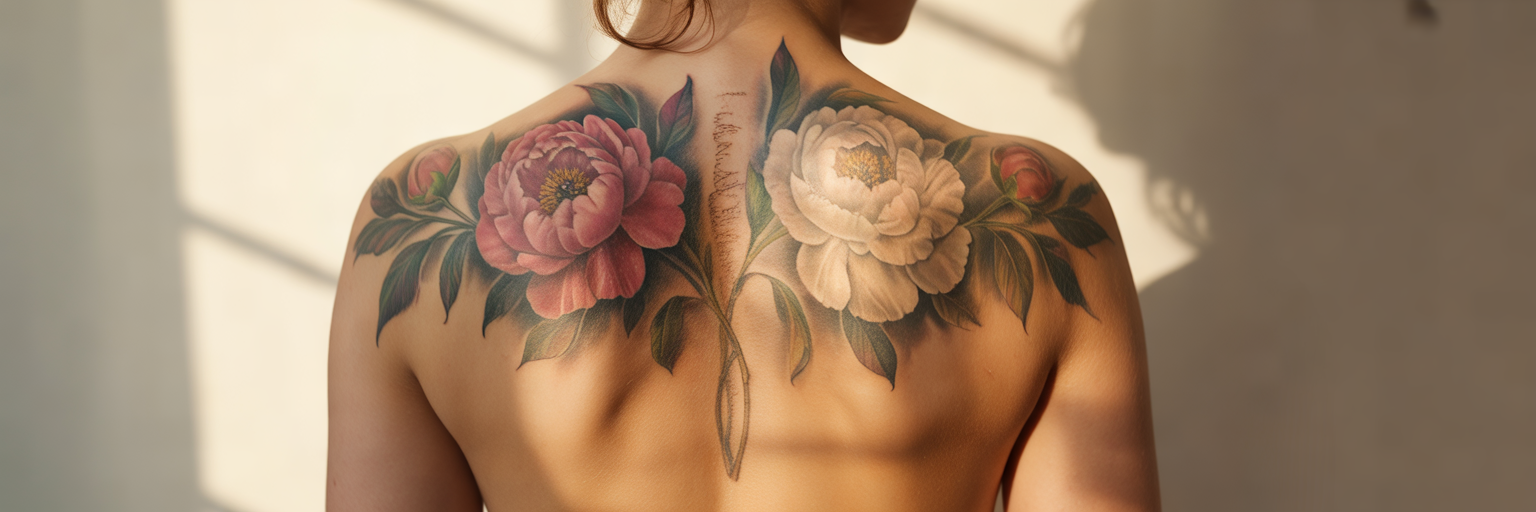
Every scar on our skin tells a story, a silent reminder of a moment in time. Through the thoughtful application of art, these marks can be transformed from memories of the past into chosen symbols of resilience and beauty. This process is about more than just covering something up. It is a collaborative journey to transform scars into meaningful tattoo art, reclaiming a part of your story and turning it into a statement of personal strength.
Scars, whether from surgery, accidents, or personal struggles, hold deep emotional significance. Choosing to adorn them with a tattoo is a powerful step in personal healing. This guide will walk you through the entire process, from determining if your scar is ready for ink, to collaborating on a design that honours your journey, and finally, caring for your new artwork to ensure it remains a beautiful testament to your story.
Assessing Your Scar's Readiness for Ink
Before any creative work can begin, the most important step is ensuring your scar is physically ready for a tattoo. Tattooing is a form of controlled trauma to the skin, and applying it to tissue that has not fully healed can lead to complications and a poor artistic result. Prioritising your health and safety is the foundation of a successful and beautiful outcome.
Signs of a Mature Scar
Patience is essential. A scar must be fully mature before it can be safely tattooed, a process that typically takes at least 18 to 24 months. A mature scar ready for ink will exhibit several key characteristics:
- It is no longer red or pink, but has faded to a whitish or pale colour.
- The texture is relatively flat and smooth, not raised or bumpy.
- It is no longer sensitive, painful, or itchy to the touch.
The Importance of Medical Consultation
We always insist that clients consult a dermatologist before proceeding. This is not just a recommendation but a crucial safety measure. Certain types of scars, particularly keloids, can react unpredictably to tattooing. A keloid scar tattoo is risky because the process itself can trigger new, excessive scar tissue growth, potentially worsening the area. Just as you would seek specialised advice for a procedure like wisdom teeth removal, getting a dermatologist’s approval ensures your skin is a safe canvas for our art.
Understanding Scar Texture and Ink
It is important to understand that to tattoo over scar tissue is different from tattooing on undamaged skin. Scar tissue absorbs and holds ink differently due to its altered texture, which can be raised, indented, or uneven. As The Ink Pedia highlights, these factors influence how the final tattoo will look. An experienced artist will account for this, but it may mean the design requires touch-ups to achieve the desired saturation and consistency.
Collaborating on a Design That Integrates Your Scar
The goal of a scar tattoo is not simply to hide a mark, but to create a beautiful piece of art that incorporates it. This is a deeply personal and collaborative process. At our studio, we work closely with you to design a custom tattoo for scars that flows with your body's contours and tells your unique story, turning a source of sensitivity into a point of pride.
Choosing the Right Design Style
The best tattoo designs for scars are often those that are organic and flowing. Motifs like flowers, botanicals, animals, or waves can naturally wrap around and integrate the lines of a scar. For example, some of the most effective surgical scar tattoo ideas use the scar line as a stem for a flower or the branch of a tree. In contrast, rigid geometric patterns or fine-line work can appear distorted on uneven skin, drawing unwanted attention to the texture we aim to beautify.
Composition and Flow
A successful design rarely sits directly on top of the scar alone. Instead, we focus on creating a larger composition that extends beyond the scar's perimeter. This technique helps integrate the scar into the overall artwork, drawing the eye to the beauty of the entire piece rather than the texture underneath. The flow of the design should complement your body’s natural shape, creating a harmonious and flattering result.
The Role of Color and Shading
Colour and shading are powerful tools for camouflaging texture. A skilled artist can use gradients, shadows, and highlights to create an illusion of depth and smoothness. Softer, blended colours, like those in watercolour styles, can be particularly effective at distracting the eye from textural inconsistencies. The strategic use of light and dark tones helps to flatten raised areas and add dimension to indented ones, ensuring the final piece is cohesive and visually stunning. For more inspiration, Tattootopic offers a gallery of scar tattoo ideas that showcase these techniques.
| Design Style | How It Works with Scars | Best For |
|---|---|---|
| Organic & Flowing Motifs (Florals, Waves) | Naturally incorporates the scar's lines and curves into the design, like using a scar as a flower stem. | Long, curved, or irregularly shaped scars. |
| Abstract Textures & Watercolor | Uses color blending and soft edges to camouflage uneven skin texture and distract the eye. | Scars with significant textural differences or discoloration. |
| Geometric & Fine-Line Patterns | Can appear distorted or warped on uneven scar tissue. Generally not recommended. | Very flat, pale, and fully matured scars, with an experienced artist. |
Finding an Artist with Scar Tattoo Expertise

Choosing the right artist is the most critical decision in this journey. A scar cover up tattoo Singapore requires a specialist with a deep understanding of skin trauma and healing, not just a general tattooist. The artist’s experience directly impacts both the safety of the procedure and the quality of the final artwork. At Memory Lane Tattoo Studio, we pride ourselves on this specialised expertise.
When vetting a potential artist, follow these steps to ensure you are in capable hands:
- Review their portfolio carefully. Ask to see photos of healed scar cover-up work, not just fresh tattoos. Healed results show the artist's true skill in working with challenging skin textures.
- Inquire about their specific experience. An expert will be able to discuss their work on different types of scars, such as those from surgery, burns, or self-harm, and explain the different approaches required for each.
- Schedule a consultation. This meeting is your opportunity to gauge their professionalism and collaborative spirit. A true professional will ask detailed questions about your scar’s history, age, and sensitivity, and will be transparent about potential results and limitations.
As noted in a guide by VITIUM, finding an artist who understands the entire healing process is paramount. A dedicated specialist will treat your skin with the respect and care it deserves.
The Tattooing Process on Scar Tissue
It is important to approach your tattoo session with realistic expectations. The experience of getting a tattoo over scar tissue can feel different from tattooing on undamaged skin. Some clients report increased sensitivity in the scarred area, while others feel less sensation. This unpredictability is normal and is something your artist will be prepared to manage.
The unique properties of scar tissue also demand a modified artistic technique. The skin can be tougher, more porous, or less elastic, requiring the artist to carefully adjust their needle depth, machine speed, and hand pressure. This ensures proper ink saturation without causing unnecessary trauma to the delicate tissue. The goal is always to work with the skin, not against it.
Be prepared for the likelihood of follow-up sessions. Because scar tissue can have unpredictable ink retention, a touch-up after the tattoo has fully healed is a normal and often necessary part of the process. This allows your artist to perfect the design, reinforce any areas where the ink did not settle evenly, and ensure the long-term vibrancy of your artwork.
Aftercare for Your New Artwork
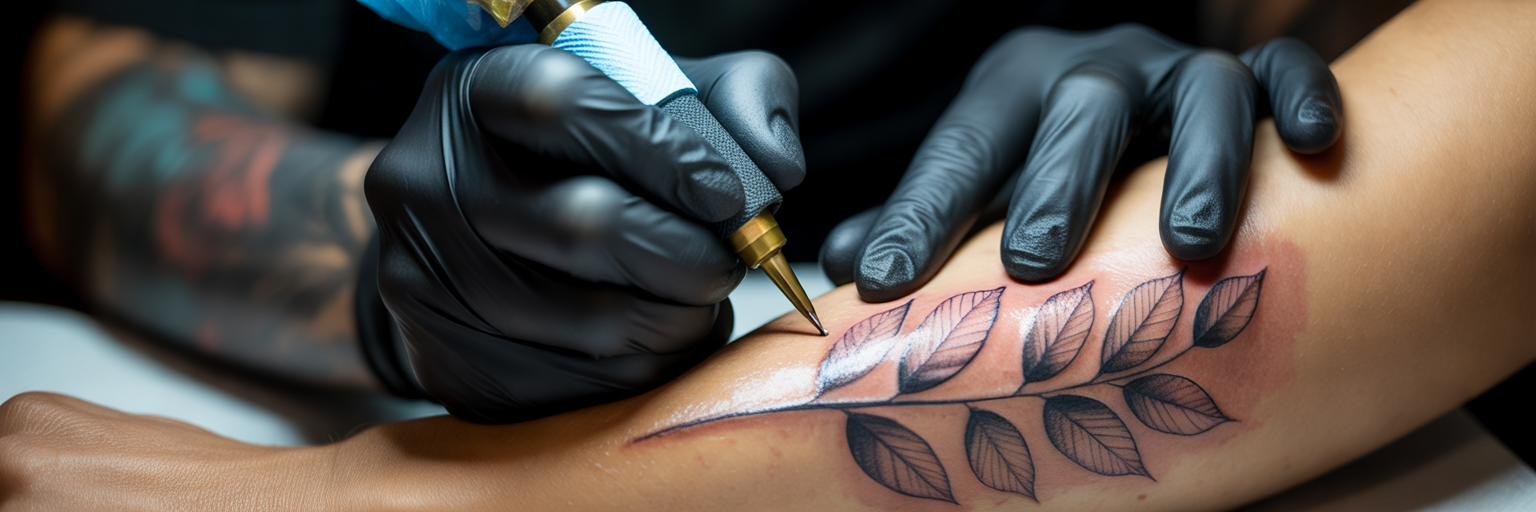
Proper aftercare is crucial for any tattoo, but it is especially important when dealing with scar tissue. The area may be more sensitive and require extra attention to heal beautifully and integrate seamlessly with your skin. Diligent care protects your investment and honours the personal significance of your new art.
Follow these essential aftercare steps:
- Cleanse gently. Wash the area with a mild, fragrance-free soap and lukewarm water. Pat it dry with a clean paper towel, do not rub.
- Moisturise consistently. Apply a thin layer of the recommended aftercare ointment to keep the skin hydrated. This prevents scabbing and helps the ink settle properly.
- Protect it from the sun. This is the most critical step for long-term vibrancy. UV exposure can cause tattoos to fade and may affect the underlying scar tissue differently. Once healed, always apply a high-SPF, broad-spectrum sunscreen to the area.
By following a careful aftercare routine, you ensure your tattoo heals perfectly and remains a powerful, beautiful symbol of your journey for years to come.