
The Healing Power of a Scar Cover-Up Tattoo
Scars are more than marks on the skin; they are chapters of a personal story. The journey to transform a scar with a tattoo is not about concealment, but about reframing that story with intention and artistry. It is an act of reclaiming your narrative, turning a reminder of a past event into a chosen symbol of strength and resilience. This process is a powerful form of personal expression, and many find that creating emotional healing tattoos helps restore a sense of ownership over their own body.
The psychological shift that occurs is profound. A mark that may have once been a source of discomfort can become a beautiful piece of art that you are proud to wear. This transformation is deeply personal, and the decision to embark on this journey is an assertion of agency. As noted in discussions on the topic, scar cover-ups can be a significant step in helping individuals reclaim their body autonomy, turning a passive experience into an active choice.
This journey is a collaborative one, built on a respectful partnership between you and your tattoo artist. The artist’s role extends beyond technical skill; it involves listening with empathy to understand the significance of your story. Together, you work to translate your experiences and aspirations into a design that is not only visually stunning but also deeply meaningful. It is a process where your vision guides the artist’s hand, ensuring the final piece is a true reflection of your journey.
Understanding Scar Tissue and Tattooing
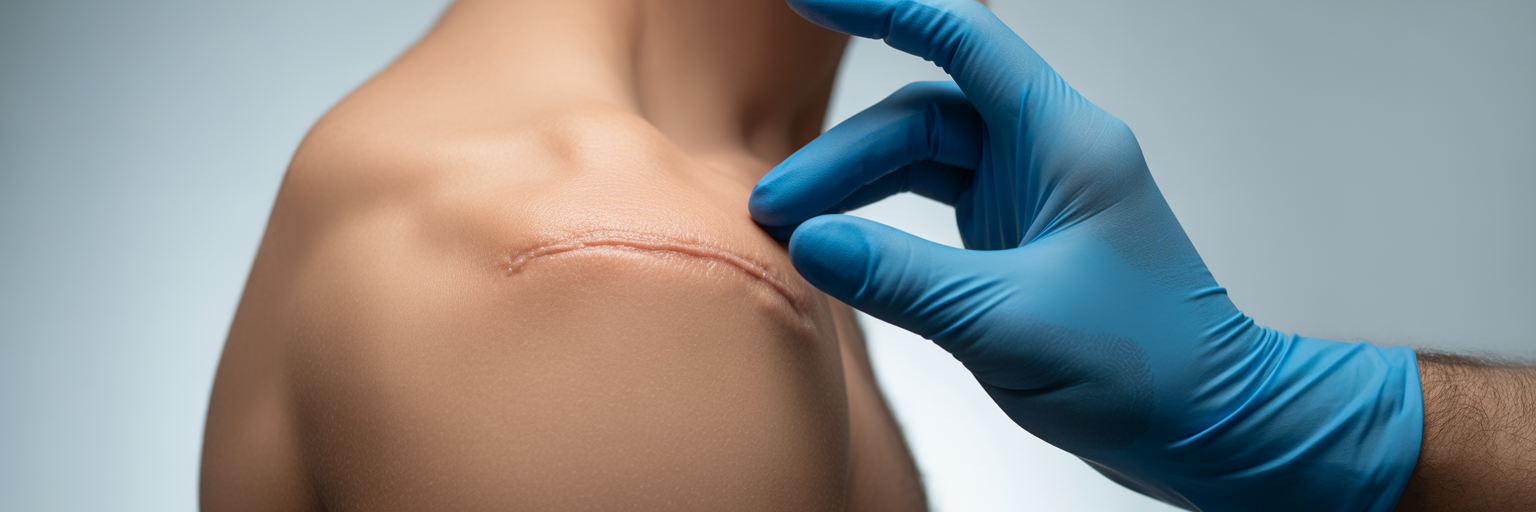
Before beginning the artistic process, it is essential to understand the unique canvas that scar tissue presents. Scar tissue differs from healthy skin in several key ways. It often has less elasticity, a different texture, and can absorb ink unpredictably. Some scars are raised (hypertrophic), while others are sunken (atrophic), and each type requires a distinct technical approach from the artist. Successfully placing a tattoo over scar tissue demands specialized knowledge and a delicate touch.
The most critical factor is the maturity of the scar. A scar must be fully healed before it can be safely tattooed. As expert consensus highlighted by sources like TattooedImages confirms, this healing period is typically at least one to two years. Tattooing on immature scar tissue can lead to complications, including poor ink retention, excessive bleeding, or even further skin damage. Patience during this phase is non-negotiable, as it ensures the skin is stable and ready to accept the ink properly.
Another consideration is sensation. Scar tissue can be more sensitive than the surrounding skin, or in some cases, completely numb. An experienced artist understands how to navigate these variations. They will adjust their technique, pressure, and speed to maximize your comfort and ensure the ink is deposited at the correct depth. This clinical understanding of the skin’s biology is the foundation upon which beautiful and lasting scar cover-up art is built. It ensures the process is not only effective but also safe.
The Art of Designing for Scars
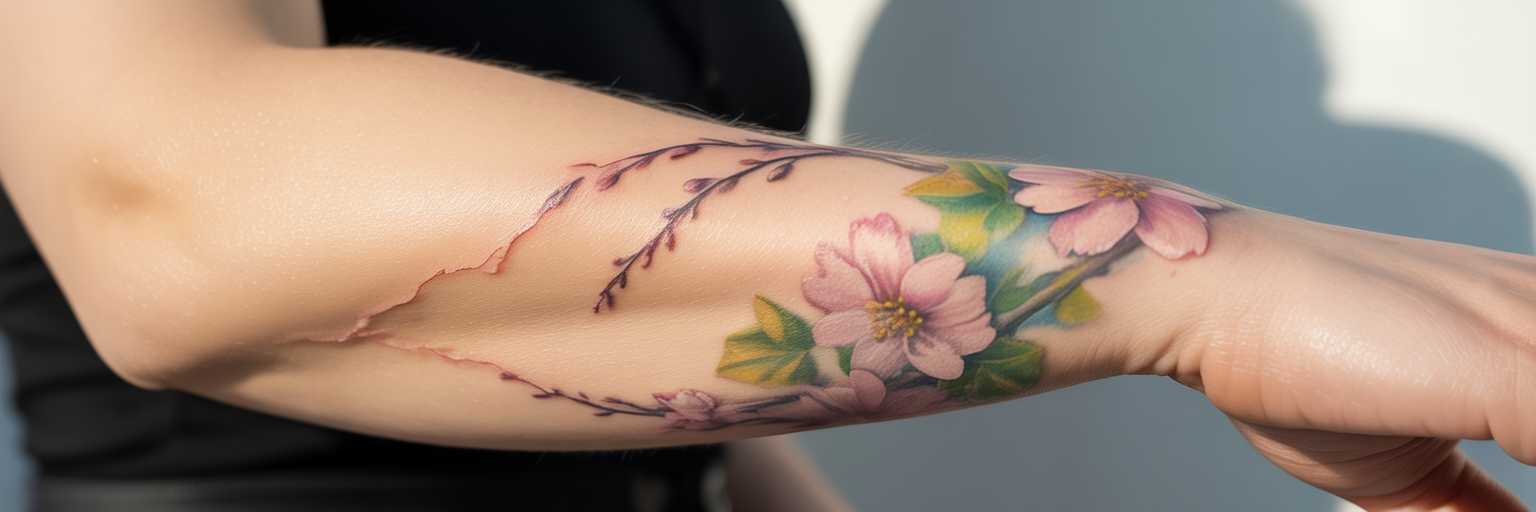
The most successful scar cover-ups do not just hide a scar; they integrate it into the artwork. The goal is to create a design that works with the scar's unique shape, texture, and flow, turning it into an intentional part of the composition. This collaborative approach transforms a potential challenge into an artistic opportunity. An artist will analyze the scar’s topography to develop a concept that is both beautiful and effective. As noted by resources like TattooBuild, popular approaches often use organic or abstract elements to incorporate the mark into a larger narrative.
Effective scar tattoo design ideas often include:
- Organic Elements: Florals, vines, feathers, or water can flow along the lines of a scar, using its shape as a natural guide for stems, branches, or waves.
- Abstract Textures: Watercolor splashes, smoke, or soft shading can create dimension and distract the eye from uneven skin texture.
- Geometric Patterns: Mandalas and intricate linework can incorporate a scar’s topography, using its contours to add depth to the pattern.
An artist uses color, shading, and linework strategically to create a seamless visual effect. Darker pigments and detailed areas can be placed over the most prominent parts of the scar, while softer shading helps blend the tattoo into the surrounding skin. The initial consultation is a co-creative session where your vision and the artist’s expertise merge. This collaborative planning is crucial. Just as experts study why content marketing and SEO are a perfect match to create a cohesive digital strategy, an artist and client must align their vision and technique for a successful outcome. This ensures the final piece is both technically sound and deeply meaningful.
| Scar Type | Artistic Goal | Recommended Design Approach | Example Motifs |
|---|---|---|---|
| Raised (Hypertrophic) | Create visual flatness and integrate texture | Designs with soft shading, gradients, and layered elements | Watercolor splashes, smoke, clouds, soft floral petals |
| Sunken (Atrophic) | Build dimension and draw the eye away from indentations | Intricate linework, detailed patterns, and high-contrast elements | Mandalas, geometric patterns, lace, detailed animal fur or feathers |
| Flat & Discolored | Blend discoloration and create a cohesive canvas | Rich color saturation and bold designs that guide the eye | Vibrant botanicals, Japanese-style backgrounds, colorful abstract art |
| Long & Linear (e.g., surgical) | Incorporate the line into the design's structure | Designs that use the line as a stem, branch, or central axis | Flower stems, tree branches, sword blades, flowing ribbons |
Choosing Your Artist and The Process
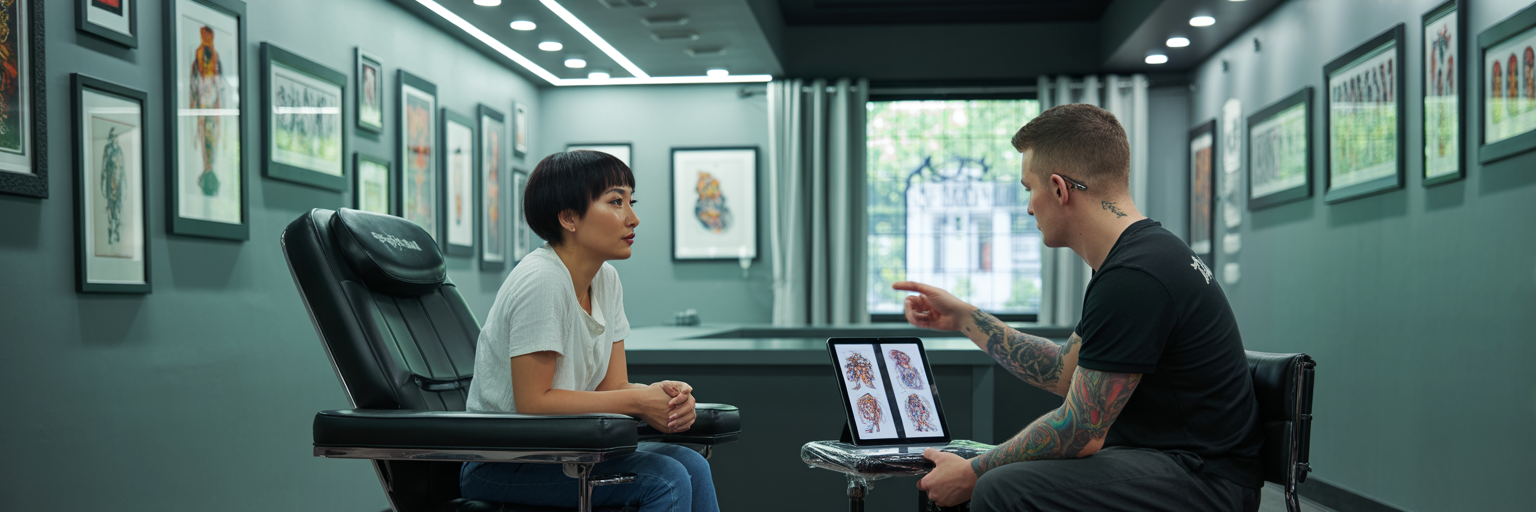
Selecting the right professional is the most important decision in your scar cover-up journey. This is a highly specialized skill, so your goal should be to find the best tattoo artist for scars available to you. Not all artists have the training or experience to work effectively with delicate scar tissue. A true specialist will understand the nuances of scarred skin and possess the artistic vision to create a design that is both beautiful and technically sound.
When researching artists, look for these key indicators of expertise:
- A Specialized Portfolio: The artist’s portfolio should feature high-quality photographs of healed scar cover-ups, not just fresh ones. Healed work demonstrates the artist's true ability to work with scar tissue and shows how the ink settles over time.
- A Thorough Consultation: A professional will insist on an in-person consultation to examine the scar, feel its texture, and discuss possibilities and limitations with you honestly.
- A Collaborative Spirit: The right artist will listen to your story, respect your vision, and make you feel comfortable and heard throughout the process. This partnership is essential for creating a piece that you will love.
A creative hub like Singapore offers access to world-class artists who specialize in this bespoke work. When searching for a scar cover-up tattoo Singapore studio, prioritize those with a proven track record. For instance, at our studio, Memory Lane Tattoo, we focus on a collaborative process to curate meaningful art for our clients. Taking the time to find an experienced and empathetic artist ensures your vision will be brought to life with care and professionalism.
Essential Aftercare for Your Scar Tattoo
The journey does not end when you leave the studio; proper aftercare is vital for the longevity and beauty of your new artwork. Thoughtful tattoo aftercare for scars is even more important than for standard tattoos because the underlying tissue is more delicate and can be prone to sensitivity. Following your artist’s instructions diligently will ensure your tattoo heals correctly and remains vibrant for years to come.
Key aftercare steps include:
- Gentle Cleansing: Keep the area clean using a mild, fragrance-free soap and lukewarm water. Pat it dry gently with a clean paper towel; do not rub it.
- Consistent Moisturizing: As highlighted by experts at Yara Tattoos, keeping the tattooed scar tissue moisturized is essential for maintaining skin suppleness and promoting optimal healing. Apply a thin layer of recommended aftercare ointment as directed.
- Sun Protection: Scar tissue is highly susceptible to UV damage, which can cause fading and discoloration. Once healed, always protect your tattoo with a high-SPF, broad-spectrum sunscreen.
It is also important to have realistic expectations. Due to the unpredictable nature of scar tissue, a touch-up session may be necessary after the tattoo has fully settled, which can take up to a year. This is a normal part of the process and should be viewed not as a flaw, but as a final refinement to perfect your personalized work of art.