

Every scar tells a story, and the decision to transform it is a deeply personal act of reclamation. This guide is designed to help you navigate this journey with confidence and care.
How to Turn Scars into Meaningful Tattoo Art
The first step in the process to turn scars into meaningful tattoo art is ensuring the foundation is safe and ready. This preparatory phase is centered on your well being, creating a secure base for the artistry to come. Before any creative discussions begin, the most important consideration is the health of your skin. The scar tissue must be fully healed and stable.
Dermatological consensus suggests a significant healing period is necessary. This healing period, often lasting 18 to 24 months as noted in guides like those from VITIUM Tattoo, allows the tissue to stabilize. A ready scar typically appears flat and pale, either white or silver in colour. It should no longer feel tender, itchy, or painful to the touch. Tattooing on tissue that is still healing can cause unnecessary trauma and unpredictable results, so patience during this stage is essential.
Furthermore, certain types of scars demand a professional medical opinion before proceeding. If you have keloids, hypertrophic scars, or deep burn scars, a consultation with a dermatologist is a critical safety measure. These scars have a tendency to grow or become inflamed, and tattooing them without medical clearance can risk triggering further scar tissue formation. A responsible artist will always prioritize your health and require this approval.
Once your scar is healed and you have any necessary medical clearance, the journey begins with an initial artist consultation. This is not a sales meeting but a collaborative dialogue. It is an opportunity for you to share your story and your vision in a safe space. The artist will listen with empathy while assessing the scar’s unique texture, placement, and how it sits on your body. This foundational conversation establishes the trust and partnership needed to create a piece of art that is both beautiful and deeply personal.
Collaborative Design Strategies for Scar Tattoos
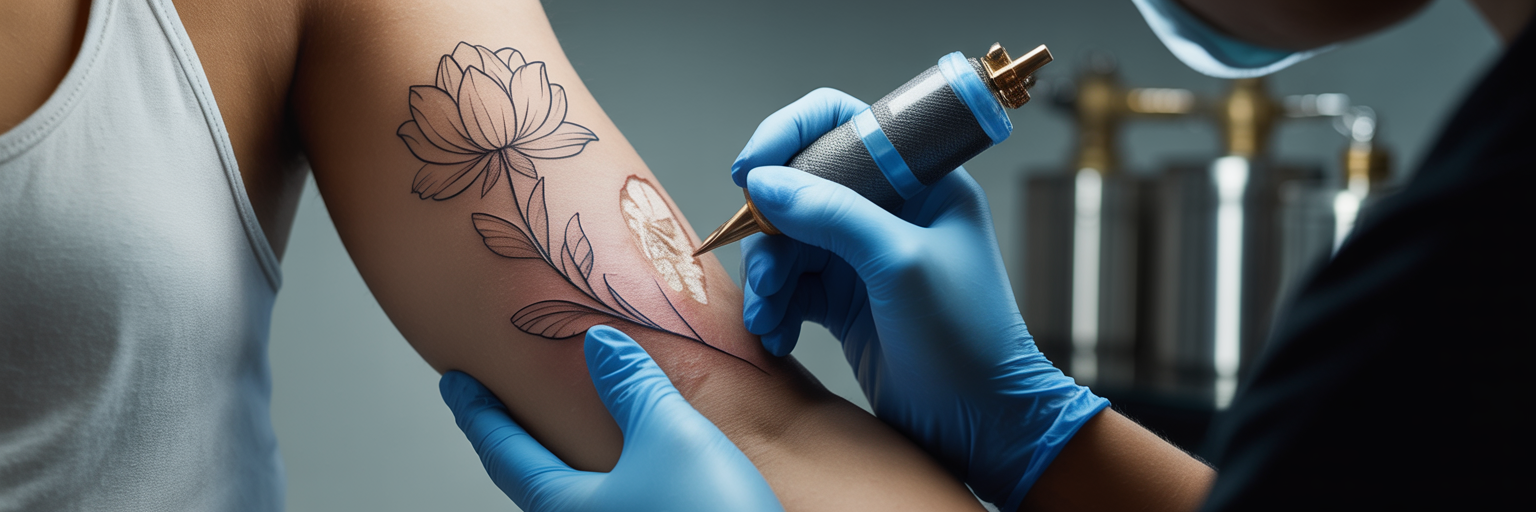
With the groundwork of safety and trust established, we can move into the creative phase of the journey. This is where your story and the artist’s skill converge to develop a design that either conceals or celebrates your scar. The artistic approach is tailored entirely to your personal preference and the nature of the scar itself. Two primary strategies guide this collaborative process.
Complete Coverage: Obscuring the Scar with Bold Art
For some clients, the goal is to create a new focal point, completely obscuring the scar beneath a bold and beautiful design. This approach provides a fresh canvas and is highly effective for covering uneven texture or discolouration. Certain tattoo styles are particularly well suited for this purpose due to their density and rich pigmentation. As noted by experts at Inkjin, styles like bold blackwork, vibrant neo-traditional, or flowing Japanese tattoos offer excellent opacity. Their strong lines and saturated colours work together to draw the eye to the new artwork, providing comprehensive coverage and transforming the area with confidence.
Artistic Integration: Incorporating the Scar into the Design
A more nuanced approach involves integrating the scar directly into the artwork, making it an essential part of the new design. This method celebrates the journey the scar represents, turning it from a mark of the past into a line of beauty and strength. This is where the bespoke nature of a scar cover up tattoo in Singapore truly shines, with artists using their creativity to blend art and skin seamlessly. For those seeking inspiration, collections of scar tattoo design ideas, like those found at Tattootopic, demonstrate how scars can be transformed into beautiful, flowing designs. Examples of this technique include:
- A surgical scar forming the stem of a delicate flower or the branch of a cherry blossom tree.
- The natural curve of a scar guiding the flow of a watercolor wash or a celestial galaxy design.
- The central line of a scar becoming the spine of a feather or the core of a geometric mandala.
These intricate designs often require a freehand process. Because stencils do not adhere well to the uneven surface of scar tissue, a skilled artist will draw the design directly onto your skin. This ensures the final piece flows organically with your body’s contours, resulting in a personal symbol of your unique story.
The Technical Expertise Behind Tattooing Scar Tissue
Working with scar tissue is a specialized skill that differs significantly from tattooing on unscarred skin. Understanding the technical expertise required helps you appreciate the artistry and care involved in the process. Scar tissue is physiologically different; it is often denser, less elastic, and can be unpredictable in how it absorbs ink. This is why experts at TryTattoo emphasize that to tattoo over scar tissue is a distinct skill set that demands a specialist’s touch.
An experienced artist adapts their technique to meet the unique challenges presented by scar tissue. This involves a deep understanding of skin mechanics and a gentle, methodical approach. The table below outlines some of these challenges and the expert techniques used to address them.
| Challenge with Scar Tissue | Expert Artist's Technique | What This Means for the Client |
|---|---|---|
| Uneven Ink Absorption | Slow, methodical ink layering and varied needle pressure | The process is deliberate and may take longer |
| Increased Skin Sensitivity | Adjusted machine speed and gentler needle groupings | A focus on minimizing trauma to the skin |
| Potential for Ink to 'Blow Out' | Precise needle depth control and avoiding overworked areas | Ensures clean lines and prevents ink from spreading |
| Difficulty with Stencils | Custom freehand drawing directly on the skin | A truly bespoke design that fits the body's contours |
This table illustrates the specialized skills required for scar tattoos, which differ significantly from tattooing on unscarred skin.
It is also important to have clear expectations about the process. Multiple sessions are often necessary to build up colour and ensure even saturation. In terms of sensation, you may find that some parts of the scar are more sensitive, while others might feel numb. Finally, the cost may reflect the complexity and time involved. This is a worthwhile investment in specialized artistry for a lasting and meaningful result that you will cherish for years to come.
Artist Selection and Aftercare for Lasting Results
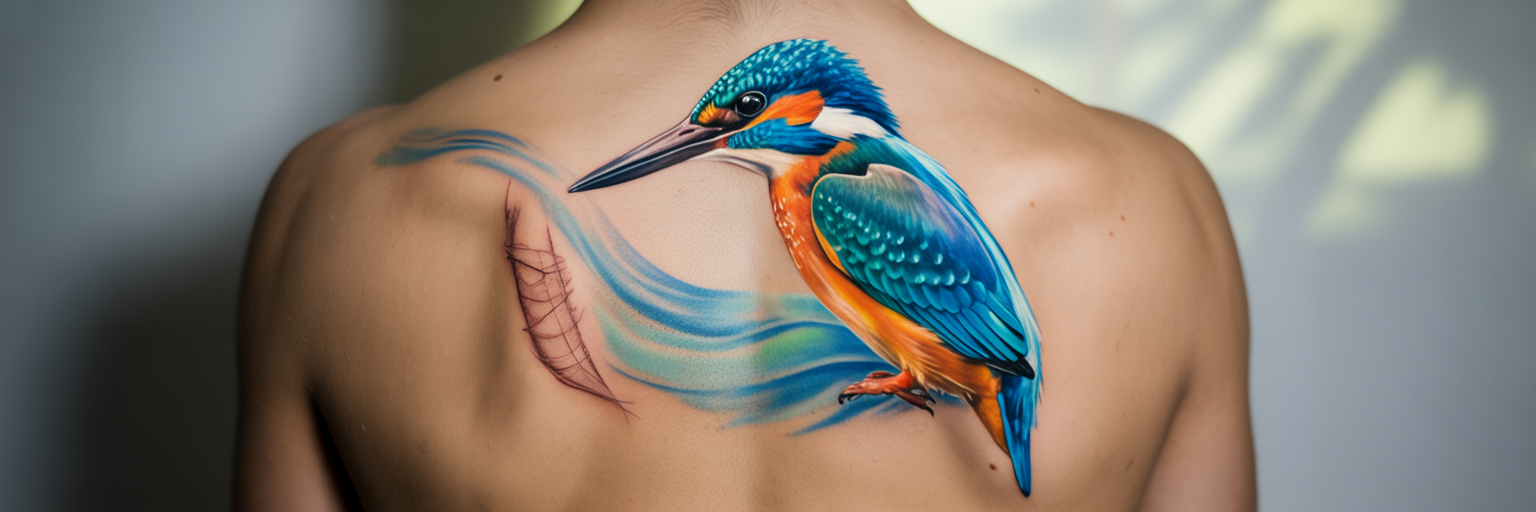
The final steps in your journey are selecting the right professional and committing to proper aftercare to ensure your new artwork remains vibrant and beautiful. Your active participation in this phase is crucial for achieving the best possible outcome. Finding the best tattoo artist for scars requires careful research and a discerning eye.
When reviewing an artist's portfolio, look beyond fresh tattoos. The true testament to an artist's skill with scar tissue is in their healed work. As experts at Yara Tattoos point out, seeing healed photos is crucial because it shows how the ink has truly settled into the unique texture of the skin. A professional consultation should feel like a partnership. The artist will assess your scar in person, listen with empathy, and provide honest feedback on what is achievable. This level of personalized consultation is a hallmark of a professional studio dedicated to creating meaningful art, a philosophy we embody in every project at Memory Lane Tattoo Studio.
Once your tattoo is complete, diligent aftercare is paramount. Proper tattoo aftercare for scars ensures optimal healing and longevity. Follow these critical steps:
- Follow Instructions: Adhere strictly to your artist's specific cleaning and moisturizing instructions. Scar tissue can be delicate, and a tailored routine is essential.
- Avoid Soaking: Do not submerge your new tattoo in baths, pools, or the sea until it is fully healed. This prevents infection and protects the ink.
- Protect from the Sun: Sun exposure is the primary cause of tattoo fading. Once healed, daily application of a high SPF (50+) sunscreen is essential to protect both the ink and the sensitive scar tissue.
Finally, it is good to have realistic long term expectations. Scar tissue can sometimes cause ink to settle or fade differently over many years. A future touch up session may be needed to maintain the tattoo’s vibrancy. This is a normal part of caring for a highly specialized piece of body art, ensuring it continues to be a source of pride and beauty.