

In a multicultural hub like Singapore, we are surrounded by a rich tapestry of visual histories. You can see it in the intricate floral motifs of a Malay batik, the bold calligraphy in a Chinese temple, and the vibrant geometric patterns of Indian kolam. This constant exposure makes the appeal of cultural tattoos completely understandable. Yet, there is a fine line between appreciation and appropriation. A tattoo is a permanent mark on your skin, so ensuring it is done with respect is a lifelong commitment, not a fleeting trend. This guide is for anyone looking to get a cultural tattoo that is both personally meaningful and deeply respectful of its origins, whether it's a Peranakan tattoo design or a motif from another heritage you admire.
Start with a Deep Dive, Not Just a Quick Search
The journey to a meaningful cultural tattoo begins long before you step into a studio. It starts with genuine, thorough research that goes far beyond a quick scroll through Pinterest or Google Images. Many symbols carry deep historical, spiritual, and social meanings that are not immediately apparent. The goal is to understand the ‘why’ behind the art, not just the ‘what’. This process is an act of respect in itself.
Instead of just collecting images, consider these steps to build a solid foundation of knowledge:
- Explore the online collections of local institutions like the Asian Civilisations Museum to see artefacts in their proper context.
- Look for academic papers or cultural heritage books that explain the history and evolution of the symbols you are drawn to.
- Understand the distinction between ‘open’ and ‘restricted’ symbols. Open symbols are generally accessible, while restricted ones are reserved for specific individuals or occasions.
As The Oracle Tattoo Gallery points out in their article on the subject, understanding the ethics is a foundational step before committing to ink. Many Southeast Asian traditions, for instance, have intricate visual languages that are worth exploring, as highlighted in guides to unforgettable cultural encounters in the region. The time you invest in research is the first step toward earning the right to wear a culture’s symbols. This commitment is the core of respectful tattoo symbolism.
Open vs. Restricted Cultural Symbols: A Quick Guide
| Category | Open Symbols | Restricted Symbols |
|---|---|---|
| Definition | Broadly accessible motifs representing universal concepts. | Symbols reserved for specific individuals, statuses, or rites. |
| Example Concepts | Lotus for purity, waves for life's journey, sun for vitality. | Lineage markers, spiritual leadership insignia, earned achievements. |
| Guiding Principle | Can be adapted respectfully into personal designs. | Should be avoided unless you have earned the right to wear them. |
| Risk of Misuse | Low, but context is still important. | High; can cause deep offence and cultural dilution. |
Note: This table provides general categories for educational purposes. The status of any specific symbol must be confirmed through thorough research.
Understanding Sacred and Restricted Designs
While your research will uncover many beautiful and accessible symbols, it will also reveal designs that are strictly off-limits. These are often called ‘closed’ or ‘restricted’ designs, and they are far more than just patterns. Think of them like a military medal or a family heirloom passed down through generations. They are not for public use because they signify a specific identity, a hard-won achievement, or a sacred spiritual standing that must be earned.
For instance, some indigenous cultures have tattoos that denote a person’s lineage, connecting them directly to their ancestors. Others have markings reserved for spiritual leaders or healers, while some patterns must be earned through specific life trials or accomplishments. As a guide on tribal tattoos in Australia explains, many Polynesian and Maori designs are deeply tied to lineage and status, making them inappropriate for outsiders to copy. The core principle here is simple and absolute: when in doubt, leave it out. Choosing to ignore these boundaries is not appreciation; it is a dilution of cultural identity.
While consulting cultural advisors is a positive step, remember that the burden of research lies with you, the person wanting the tattoo. It is not the responsibility of a culture to provide free education to those who wish to borrow its symbols.
Finding the Right Kaki for Your Ink

Once your research is solid, the next step is to find an artist who can bring your vision to life with integrity. This person is more than just a technician with a needle; they are your collaborator, your guide, and your creative ‘kaki’. A great artist will not only have the technical skill but also a deep respect for the cultural source material. When you want to find a tattoo artist in Singapore who specialises in cultural work, here’s what to look for:
- Scrutinise their portfolio. Look for consistent, high-quality work in the specific cultural style you are interested in. Do they show an understanding of the art form’s nuances?
- Ask about their knowledge. A professional artist will be happy to discuss their training, their connection to the culture, and the research they have done. Their answers will reveal their level of commitment.
- Prioritise artists from the culture. If possible, seek out an artist who belongs to the culture you are inspired by. If not, look for someone who can demonstrate they have trained under and been approved by practitioners from that heritage.
The ideal process is a conversation, a true collaboration. Be wary of any artist who is dismissive of cultural significance or who is too quick to agree without asking questions. A true professional will be your partner in creating a meaningful custom tattoo design. This collaborative spirit is central to studios that specialise in bespoke work, where the goal is to co-create a piece that is both beautiful and meaningful. At Memory Lane Tattoo Studio, the process begins with your story, ensuring the final design is a genuine reflection of you, crafted with expertise and respect.
Creating a Design Inspired By, Not Copied From
So what do you do if you deeply admire a culture’s art but do not belong to it? The most respectful path forward is to create a design that is inspired by the culture, not copied from it. This approach honours the tradition’s artistry without claiming an identity or status that is not yours. It is the most creative and authentic way to answer the question of how to design a meaningful tattoo.
This involves blending a personal element with the aesthetic of a cultural style. For example, you could use the fluid lines and composition of Japanese Irezumi to tell a story about your own family, using symbols that are personal to you. Or you could incorporate the vibrant colour palettes and intricate details of Peranakan tiles into a modern, geometric design that represents a personal milestone. As explored in discussions on Aboriginal art and tattoos, there are thoughtful ways to adapt traditional art into a modern piece that tells a new story.
This is where your collaboration with a skilled artist becomes essential. They can help you translate your personal narrative into a visual language that respectfully incorporates cultural motifs while fitting the flow and form of your body. The result is a unique piece of art that is entirely your own, yet pays homage to the tradition you admire. This is one of the best sources for cultural tattoo ideas Singapore residents can explore with confidence.
Ink That Tells a Story with Integrity
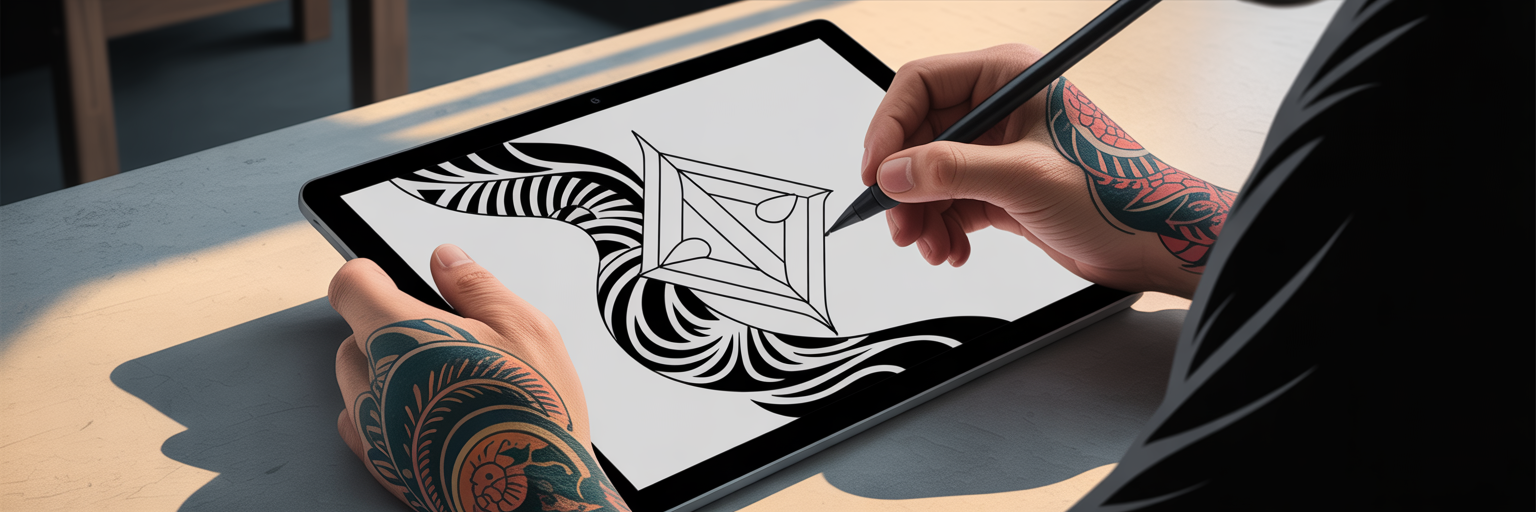
A cultural tattoo, when done right, is a powerful statement. It is a permanent piece of art that you should be able to wear with pride and confidence for the rest of your life. Achieving this requires care, diligence, and a genuine commitment to respect.
To ensure your ink tells a story with integrity, remember these key principles:
- Start with deep research to understand the history and meaning behind the symbols.
- Respect boundaries by avoiding sacred or restricted designs that you have not earned the right to wear.
- Choose a knowledgeable artist who acts as a true collaborator and cultural steward.
- Focus on personal inspiration over imitation, creating a design that is uniquely yours.
By following these steps, your tattoo becomes more than just ink on skin. It becomes a celebration of both your personal journey and the rich history of a culture, a timeless story curated with care and etched with expertise.