
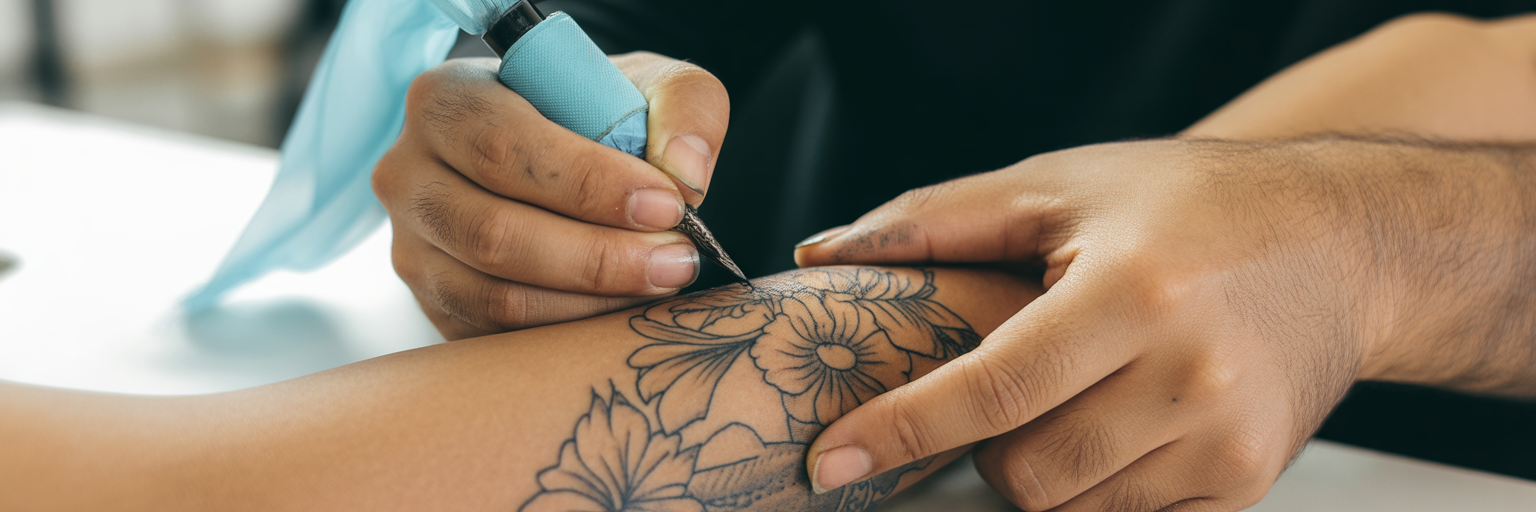
The Meaning Behind Cultural Symbols in Tattoo Design
For millennia, tattoos have served as a profound language of identity, marking heritage and belonging on the skin. Today, that tradition continues as a deeply personal art form, offering a unique way to tell our stories. The decision to weave cultural symbols into tattoo design is a journey that begins with intention. It requires a thoughtful approach that honours the source of your inspiration, transforming a visual idea into a narrative that is both personal and respectful.
The permanence of a tattoo makes it essential to distinguish between cultural appreciation and appropriation. Appreciation is rooted in respect, understanding, and a genuine connection to a culture. Appropriation, on the other hand, involves borrowing from a culture without context or permission, often reducing significant symbols to mere aesthetics. Before settling on a design, it is helpful to reflect on your connection to it. Ask yourself: Is this symbol part of my own heritage? What is my relationship with this culture, and what story do I want this tattoo to tell about my identity and values?
Thinking through these questions helps shape meaningful tattoo ideas that go beyond surface-level appeal. As resources like Tattoo Evoke's guide on cultural tattoos show, global traditions are rich with history and significance. Your tattoo becomes a personal statement, a piece of art that reflects your journey and beliefs. An experienced artist is an essential partner in this process. They act not just as a technician, but as a creative guide and ethical consultant, helping you craft a design that is both beautiful and thoughtfully considered.
The Crucial Role of Thorough Research

Once you have clarified your intention, the next step is responsible research. This process is crucial for creating a heritage tattoo design that is authentic and respectful. It is tempting to turn to platforms like Pinterest or Google Images for quick inspiration, but these sources often present symbols stripped of their original context. A design that appears beautiful online might be sacred, misrepresented, or even part of a closed practice, making its use inappropriate.
To ensure your design is well-informed, it is best to consult authoritative sources. This deeper investigation provides the rich context needed to make a responsible choice. Effective research avenues include:
- Academic journals and ethnographic studies that detail a symbol's history and use.
- Museum archives, such as those at Singapore's own Asian Civilisations Museum, which offer authentic visual references.
- Books on cultural art, anthropology, and history.
As guides on authentic cultural motif research explain, context is everything. The meaning of a symbol can shift based on its placement on the body or the other motifs it is paired with. It is also vital to understand the difference between 'open' and 'closed' symbols. Open symbols are generally accessible for respectful interpretation, while closed symbols are restricted to initiated members of a specific culture or community. Using a closed symbol without permission is a serious transgression.
| Research Method | Potential Risks | Recommended Approach |
|---|---|---|
| Pinterest / Social Media | Decontextualized, misrepresented, or sacred symbols used incorrectly. | Use for initial mood boarding, then verify symbols with authoritative sources. |
| Generic Search Engines | Surface-level meanings; high risk of encountering appropriated designs. | Use specific, academic keywords; cross-reference findings with multiple sources. |
| Museum Archives & Academic Texts | Requires more time and effort to access and interpret. | Provides accurate historical context and authentic visual references. |
| Consulting Cultural Practitioners | May not be accessible for all cultures or individuals. | Offers direct, nuanced understanding and ensures respectful usage. |
Collaborating with Your Artist on a Respectful Design
Your research and personal story are the foundation, but the collaboration with your artist is where your vision comes to life. Selecting the right professional is paramount. Look for an artist who not only has a strong portfolio but also demonstrates cultural awareness and welcomes a thoughtful, research-driven dialogue. The initial consultation should feel like a partnership, a space where you can share your story and findings openly.
A skilled artist will listen to your narrative and use their expertise to translate it into a cohesive design. This is where the concept of creating a piece 'inspired by' a culture, rather than directly 'copying' a traditional work, becomes so important. This approach allows for the creation of truly respectful cultural tattoos. An artist can deconstruct the core elements, patterns, and motifs of a style to build a new, personalized composition that honours the source without claiming an unearned identity. This collaborative process ensures the final piece is uniquely yours.
As professional guidelines outlined in resources on cultural sensitivity for artists suggest, this dialogue is an ethical responsibility. The artist’s role extends beyond technical skill to include advising on composition, flow, and placement. They ensure the final tattoo design in Singapore is not only meaningful but also aesthetically tailored to your body, moving with its contours to create a timeless piece of art. Partnering with a dedicated custom tattoo artist in Singapore is the key to transforming your vision into a respectful and beautiful reality.
Creative Alternatives for Restricted Symbols

During your research, you may discover that a symbol you are drawn to is part of a closed practice or carries a meaning that does not align with your personal story. This is not a dead end. Instead, view it as an opportunity to explore deeper, more personal avenues of expression. A collaborative design process can uncover alternatives that are just as powerful and far more unique.
Many 'open-source' elements can capture the essence of a culture without misappropriating sacred iconography. Consider these sources of inspiration:
- Native flora and fauna, such as orchids, tigers, or cranes, which carry rich symbolic meaning in many Asian cultures.
- Significant architectural patterns or motifs found in traditional buildings and textiles.
- Natural landscapes that hold cultural importance, like mountains representing resilience or rivers symbolizing life's journey.
- Non-sacred geometric patterns and decorative arts that reflect a culture's aesthetic principles.
This principle of respectful adaptation is a hallmark of thoughtful design across many fields. For instance, a shopper's guide to Asian-inspired cabinet hardware shows how cultural motifs can be thoughtfully translated into new forms. The goal when you incorporate cultural symbols into tattoo design is to create a piece that tells your story with integrity. As the process of designing a tattoo with meaning is a personal journey, a custom design born from collaboration often holds far more significance than a copied icon. Exploring these creative alternatives with an experienced artist is the best way to develop a truly unique and meaningful piece, and we invite you to begin that conversation with us.