
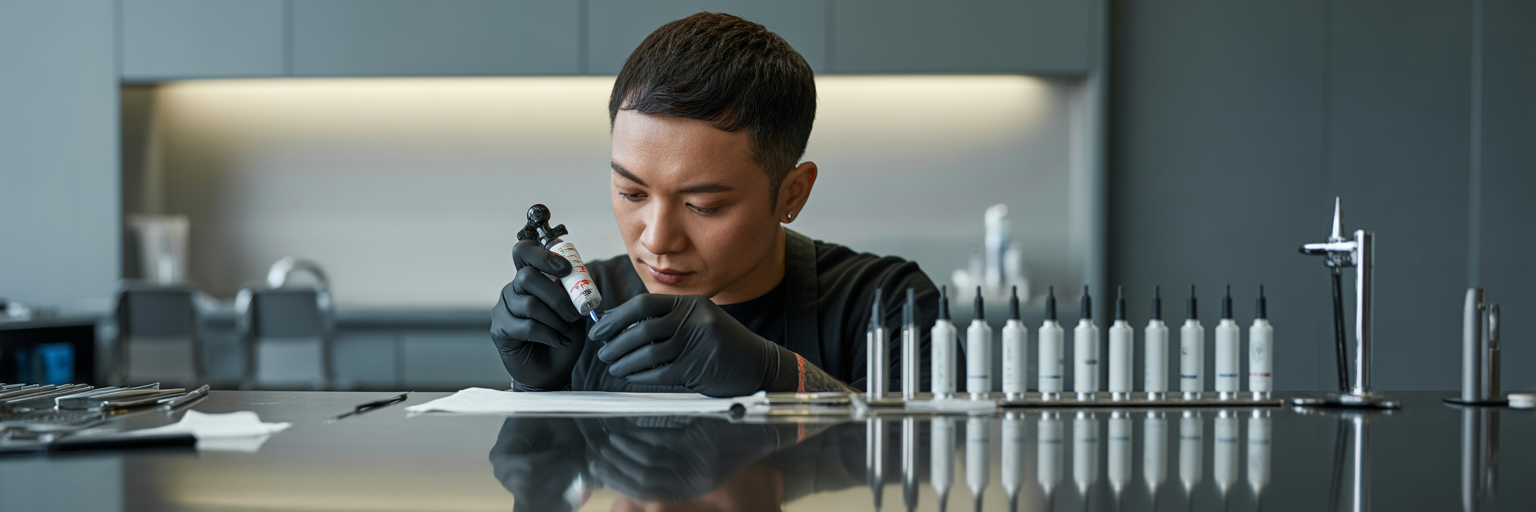
The art of tattooing is an ancient practice built on a foundation of trust between the artist and the client. As tattooing has grown into a respected modern art form, its evolution has been matched by the development of rigorous health protocols. Understanding the importance of hygiene standards in tattoo studios is the first step in ensuring your personal story is told not only with beauty but also with complete safety. These standards are not optional extras but the very bedrock of professional body art.
Understanding Hygiene Standards in Tattoo Studios
When we discuss hygiene in a professional tattoo studio, we are referring to a comprehensive system designed to protect client health. This goes far beyond a visibly clean workspace. It involves a disciplined set of procedures that include the exclusive use of sterile, single-use equipment, meticulous strategies for preventing cross-contamination, and the regulated disposal of all used materials. These practices are fundamental public health measures.
As outlined in public health guidance from bodies like the UK Government, these standards are critical for preventing skin infections and the transmission of bloodborne viruses such as Hepatitis B and C. A lapse in any of these areas introduces serious health risks. However, the goal of a professional artist is to create a space where these concerns are completely eliminated through diligent and transparent protocols.
For a true artist, client safety is an inseparable part of the creative process. It is a commitment that ensures the focus can remain on the art itself, allowing for a collaborative and worry-free experience. While specific regulations may differ globally, leading studios in Singapore adhere to the highest international benchmarks for infection control. This commitment to safety is a core part of the artistic process at Memory Lane Tattoo Studio, where your well-being is our foremost priority.
Key Markers of a Safe and Professional Studio
As a client, you are an active partner in your tattoo journey, and knowing what to look for in a tattoo studio empowers you to make a safe choice. The signs of a professional environment are often clear and observable, reflecting an artist’s commitment to their craft and your health. Your initial impression is important. The studio should be well-lit, organized, and feature non-porous surfaces like stainless steel or treated countertops that are easy to clean and disinfect.
An artist should always be transparent and welcome questions about their hygiene protocols. This openness is a hallmark of professionalism. Here are the non-negotiable markers of safe tattoo practices Singapore studios should follow:
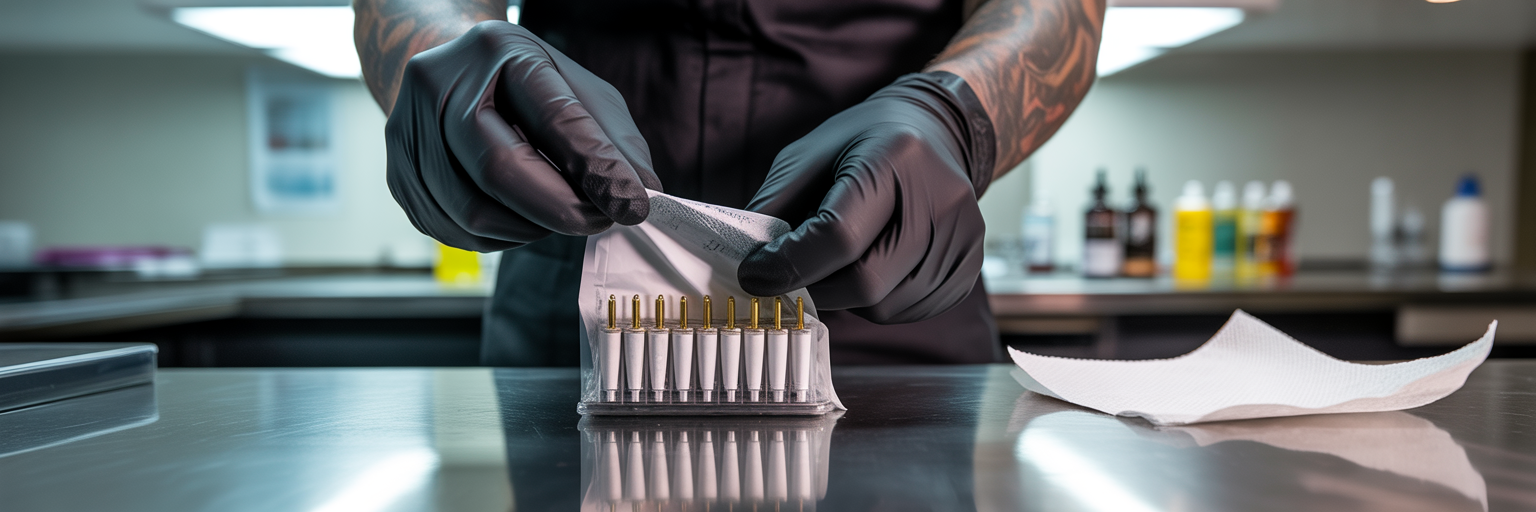
- Sterile, Single-Use Equipment: Needles and ink cartridges must always be new and sealed in sterile packaging. Your artist should open them in front of you just before the session begins.
- Barrier Protection: Look for the use of disposable plastic wraps covering the tattoo machine, power supply, clip cord, and wash bottles. This prevents the transfer of germs between surfaces and clients.
- Artist's Personal Hygiene: The artist must wash their hands thoroughly and wear a fresh pair of disposable gloves to set up their station and for the duration of your tattoo. Gloves should be changed if they touch anything outside the sterile field, such as a phone or drawer handle.
Health authorities like Alberta Health Services emphasize that artists must use sterile single-use needles and maintain clean, dedicated work areas to ensure client safety. Choosing a tattoo artist in Singapore who is transparent about these safety protocols is the first step toward a positive experience.
| What You Should See | Why It Matters |
|---|---|
| Visibly Clean & Organized Studio | Shows professionalism and reduces general contamination risk. |
| Artist Opens New Needles in Front of You | Guarantees the needle is sterile and has never been used on anyone else. |
| Use of Barrier Wraps on Equipment | Prevents cross-contamination between clients by protecting surfaces. |
| Designated Sharps Container | Ensures safe disposal of used needles, protecting staff and the public. |
| Artist Wears and Changes Gloves | A fundamental practice to maintain a sterile field and prevent germ transmission. |
| Willingness to Discuss Hygiene | Transparency is a key indicator of a confident, responsible, and professional artist. |
Your Tattoo Session: A Step-by-Step Safety Guide
Understanding the safety protocols of a tattoo session can provide peace of mind and help you appreciate the artist's disciplined workflow. The entire process is a carefully orchestrated sequence of steps designed to maintain a sterile environment from start to finish.
First, the artist will prepare your skin. This involves shaving the area if necessary with a disposable razor and then thoroughly cleaning it with a medical-grade antiseptic. This step removes surface bacteria and creates a safe canvas for the artwork. Once the stencil is applied, the artist will set up their station with single-use ink caps filled with fresh ink for your session only.
Throughout the tattoo process, a professional artist is mindful of maintaining a sterile field. They will avoid touching non-barriered items like drawers, their phone, or other surfaces. If they must, they will change their gloves before resuming work on your skin. This meticulous attention to detail is a key part of tattoo studio cleanliness and prevents the introduction of contaminants.
After the tattoo is complete, the cleanup process is just as critical. All used needles are immediately disposed of in a designated, puncture-proof sharps container. Other contaminated materials, such as ink caps and paper towels, are disposed of according to strict protocols for waste management, similar to those required by the New York City Department of Health for all tattoo procedures. Some studios also use autoclaves to sterilize reusable equipment, with indicator tests providing verifiable proof of sterility. This level of diligence mirrors the infection prevention and safety guidelines in healthcare settings, where verifiable sterilization is non-negotiable.
Aftercare: Your Role in a Safe Healing Process
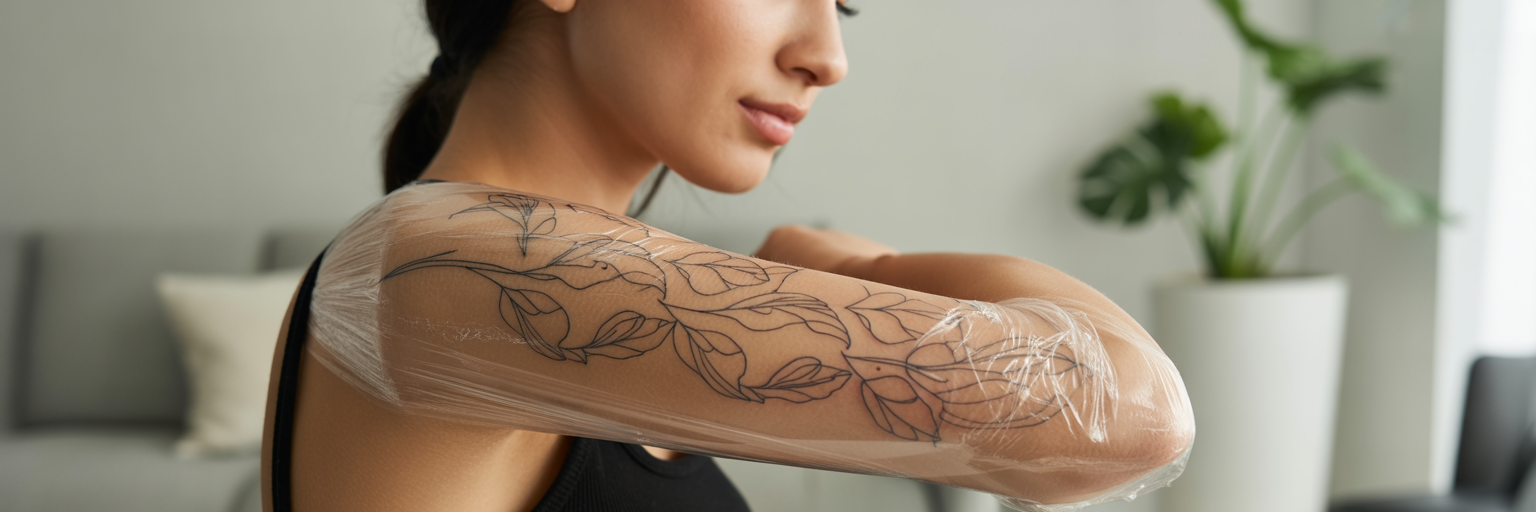
The creation of a beautiful tattoo is a partnership. While your artist is responsible for providing a perfectly clean and expertly applied piece of art, the final result depends heavily on your commitment to aftercare. The journey to a well-healed tattoo continues long after you leave the studio, and your role is essential in preventing tattoo infections and ensuring the art looks its best for years to come.
Your artist will provide personalized instructions for cleaning, moisturizing, and protecting your new tattoo. Following these guidelines diligently is the most important thing you can do. This typically involves gentle washing with a mild soap, applying a thin layer of recommended ointment, and protecting the tattoo from sun exposure and soaking in water.
While complications are rare with proper care, it is important to know what to look for. Contact a medical professional if you notice any of the following signs:
- Excessive redness or swelling that spreads or worsens after a few days.
- Persistent or increasing pain at the tattoo site.
- The presence of pus or a foul-smelling discharge from the area.
- Fever or chills, which could indicate a systemic infection.
A timeless piece of body art is the product of a successful collaboration. It begins with choosing a studio that prioritizes your safety and concludes with your dedicated aftercare. This partnership ensures your tattoo heals beautifully and remains a source of pride for a lifetime. When you are ready to begin your personal art journey with a team that prioritizes both artistry and safety, we are here to collaborate with you.