
The Man Who Changed the Tattoo Game
Picture Honolulu’s Chinatown after World War II. The air is thick with the sounds of sailors on shore leave and the promise of a good time. In a small shop on Hotel Street, one man was quietly starting a revolution. That man was Norman 'Sailor Jerry' Collins, a figure who was far more than just a tattooist. He was a thinker, a perfectionist, and a rebel with a clear cause: to transform tattooing from a back-alley trade into a respected art form.
His time in the US Navy wasn't just a job. It was his ticket to Asia, where he soaked in the rich artistic traditions that would later define his work. He saw the depth and discipline in Japanese art and knew tattooing could be more than crude souvenirs for sailors. This unique perspective allowed him to see beyond the limitations of Western tattooing at the time. He wasn't just putting ink on skin; he was rewriting the history of tattoos with every design he created.
As the official Sailor Jerry website chronicles, his life was a testament to dedication. He corresponded with Japanese masters, built his own machines, and developed his own pigments, all in pursuit of perfection. He was a true craftsman who believed that a tattoo should be earned, both by the client who wears it and the artist who creates it.
Defining the Classic American Look
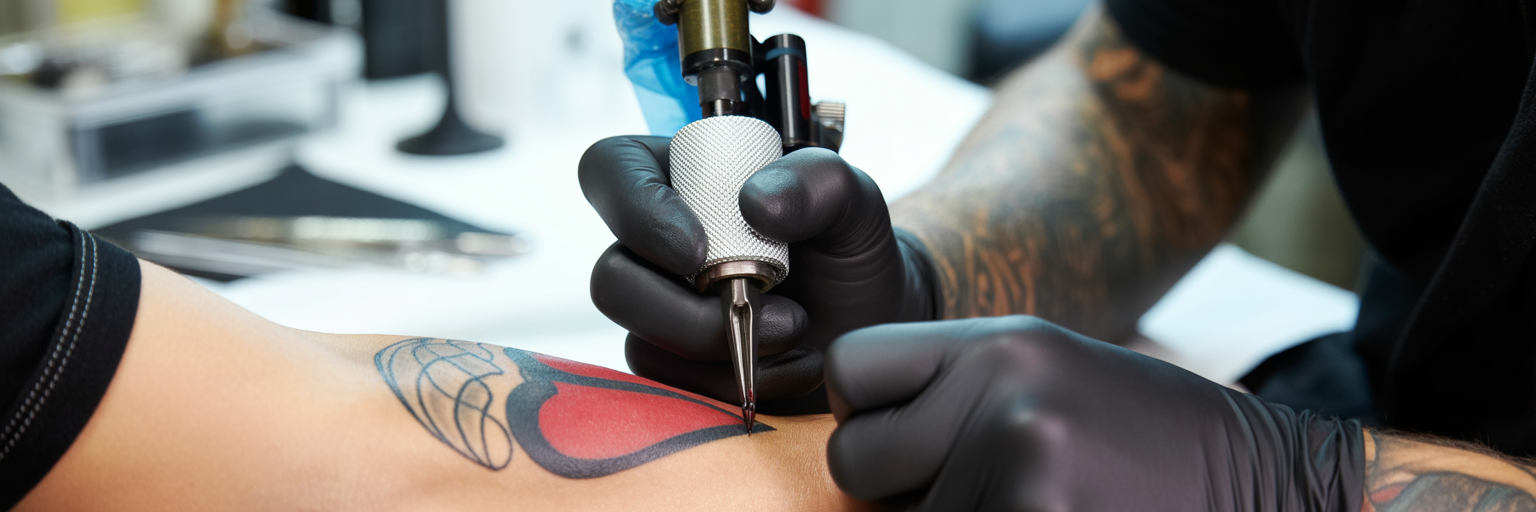
That relentless drive for perfection wasn't just behind the scenes. It was visible in every single one of the Sailor Jerry tattoos he created. He is credited with establishing the American Traditional style, a look defined by its boldness and clarity. This wasn't an accident. It was a deliberate choice to create art that would stand the test of time, looking just as sharp decades later as it did on day one.
His flash designs became a visual language for a generation of servicemen. Each symbol told a story, a shared code of experience and identity. When we look at tattoo styles explained today, his influence is undeniable. His most iconic motifs included:
- Anchors: A classic symbol of stability and a sailor’s connection to home, keeping them grounded no matter how far they roamed.
- Swallows: These birds represented a sailor's journey, with one swallow tattooed for every 5,000 nautical miles traveled.
- Eagles and Flags: Bold expressions of patriotism and pride in American identity, especially popular during wartime.
- Pin-up Girls: A sweet and sometimes cheeky reminder of the loved ones waiting for them back on shore.
- Panthers: Often drawn lunging or climbing, these powerful cats symbolised prowess, ferocity, and raw strength.
The visual formula he perfected is still the gold standard for an American traditional tattoo Singapore studios create today. The combination of thick outlines and a punchy, limited colour palette ensures every piece remains vibrant and legible for life. This commitment to longevity is a principle that any serious tattoo artist Singapore respects and follows.
| Element | Description | Purpose in the Design |
|---|---|---|
| Bold, Black Outlines | Thick, clean lines that define the entire shape of the tattoo. | Ensures the design holds its structure and remains readable as the skin ages. Prevents colours from bleeding into each other. |
| Limited Colour Palette | Primarily uses strong primary colours like red, yellow, green, and blue, with black shading. | Creates high contrast and visual impact. These pigments were the most reliable and vibrant available at the time. |
| Solid Colour Packing | Colours are densely packed into the skin with minimal gradients. | Guarantees a rich, saturated look that lasts and resists fading over time. |
| Iconic Symbolism | Use of motifs with established meanings (e.g., nautical, patriotic, romantic). | Allowed clients to tell a personal story or convey an identity through a shared visual language. |
Making Tattoos Safer and More Professional
A beautiful tattoo means nothing if it isn't created safely. While Sailor Jerry was defining the look of American tattooing, he was also pioneering the professional standards that protect clients today. His obsession with hygiene was revolutionary in an era when sterilisation was an afterthought for many. He treated his studio like a medical clinic, not a dive bar backroom.
His contributions fundamentally changed the industry for the better, making it safer for everyone. As documented in sources like his Wikipedia biography, his innovations set a new benchmark for professionalism.
- Pioneering Sterilisation: He was among the very first artists to use an autoclave, a hospital-grade machine that sterilises equipment with high-pressure steam. This is now a non-negotiable standard in every professional studio.
- Single-Use Needles: He insisted on using needles only once before disposing of them. This simple practice drastically reduced the risk of cross-contamination and disease transmission.
- Technical Improvements: Not satisfied with the tools available, he built his own tattoo machines for superior performance and even developed new, safer pigments, including one of the first stable purple inks.
- Magnum Needles: His invention of grouping needles into a "magnum" configuration allowed for smoother shading and more efficient colour packing, a technique that is still essential for artists today.
This dedication to professionalism is a legacy that extends beyond the tattoo station. In the same way he invested in the best equipment, modern studios invest in creating a seamless client experience, which includes building a high-performing business website to communicate their standards and connect with clients before they even walk through the door.
How Japanese Art Changed Everything
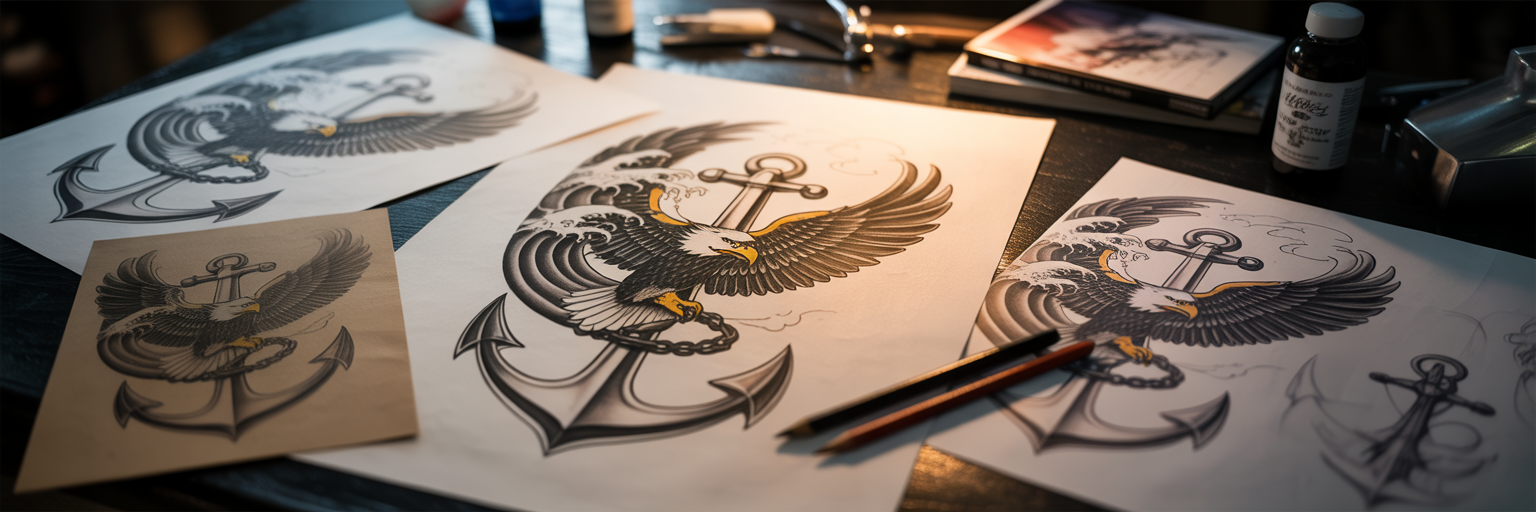
While Sailor Jerry perfected the American style, he never stopped learning. His greatest evolution as an artist came from his deep respect for Japanese tattooing. At a time when most Western artists were isolated, he maintained a regular correspondence with Japanese tattoo masters, known as Horishi. This was unheard of, but it showed his unwavering commitment to the craft.
From these masters, he learned principles that transformed his work. He began to see the body not as a flat canvas for small, disconnected "sticker" tattoos, but as a three-dimensional form with its own flow. He adopted the Japanese focus on large-scale composition, creating sleeves and back pieces that moved with the body's natural contours. He incorporated elements like wind bars and water to create a sense of movement and unity in his designs.
This fusion was his masterstroke. He blended the bold, punchy iconography of his American work with the fluid, holistic compositions of Japanese art. As the Honolulu Star-Advertiser noted, this synthesis was instrumental in turning tattoos into a respected art form. It laid the groundwork for the ambitious, large-scale custom tattoo design projects that are so sought after today, where the tattoo is designed to fit the person, not just a space on their skin.
His Spirit in Singapore's Tattoo Scene Today
So what does a rebel sailor from 1950s Hawaii have to do with getting a tattoo in Singapore in 2026? Everything. His legacy isn't just in the anchor and swallow designs you still see. It’s in the very principles that guide every great tattoo artist Singapore has to offer. In a multicultural hub like Singapore, his spirit of fusing different styles to create something new and personal is more relevant than ever.
You can see his influence when an artist applies the principles of strong lines and solid composition to modern styles, whether it's hyper-realism, watercolour, or fine-line work. The foundation he built gives these contemporary styles their longevity. His belief that a tattoo should be a personal statement is the very heart of the modern custom tattoo design process. That consultation where you sit down with an artist to share your story and collaborate on a design? That is a direct evolution of his ethos.
At Memory Lane, we believe a tattoo is a collaboration, a piece of art curated to reflect your personal journey. This philosophy comes directly from the standards Sailor Jerry set. Every time an artist here prioritises hygiene, designs a piece that flows with the body, or blends Eastern and Western aesthetics to tell a unique story, they are honouring the man who made it all possible. His rebellious spirit lives on, not just in museums or history books, but on the skin of those who value true artistry.
To see how these timeless principles are applied to create meaningful, bespoke art, you can explore the work in our studio's portfolio. It’s a modern gallery of stories, each one built on a legacy of rebellion and craftsmanship.