

In a city that thrives on blending heritage with modern creativity, body art has become a deeply personal form of expression. The watercolor tattoo style, in particular, offers a unique way to wear a piece of art that feels both fluid and alive.
The Art and Allure of Watercolor Tattoos
Unlike traditional tattoos defined by solid black lines and dense colour, the watercolor style mimics the delicate strokes of a paintbrush on paper. It uses soft colour washes, fluid gradients, and subtle splashes to create a design that feels light and translucent. There are often no hard outlines, allowing colours to blend and flow into one another seamlessly.
The appeal is easy to see. This technique creates a sense of movement and vibrancy that is difficult to achieve with other styles. It’s a popular choice for those who want their tattoo to feel more like a painting than a stamp. The aesthetic is perfect for designs like blooming flowers, ethereal animals, or abstract bursts of colour that capture a feeling rather than a rigid form.
This versatility makes it an excellent medium for a custom tattoo design Singapore artists can tailor to your story. Whether it’s a subtle splash of your favourite hues or a detailed, painterly scene, the style offers a truly artistic way to express yourself.
Will My Watercolor Tattoo Last? The Honest Truth
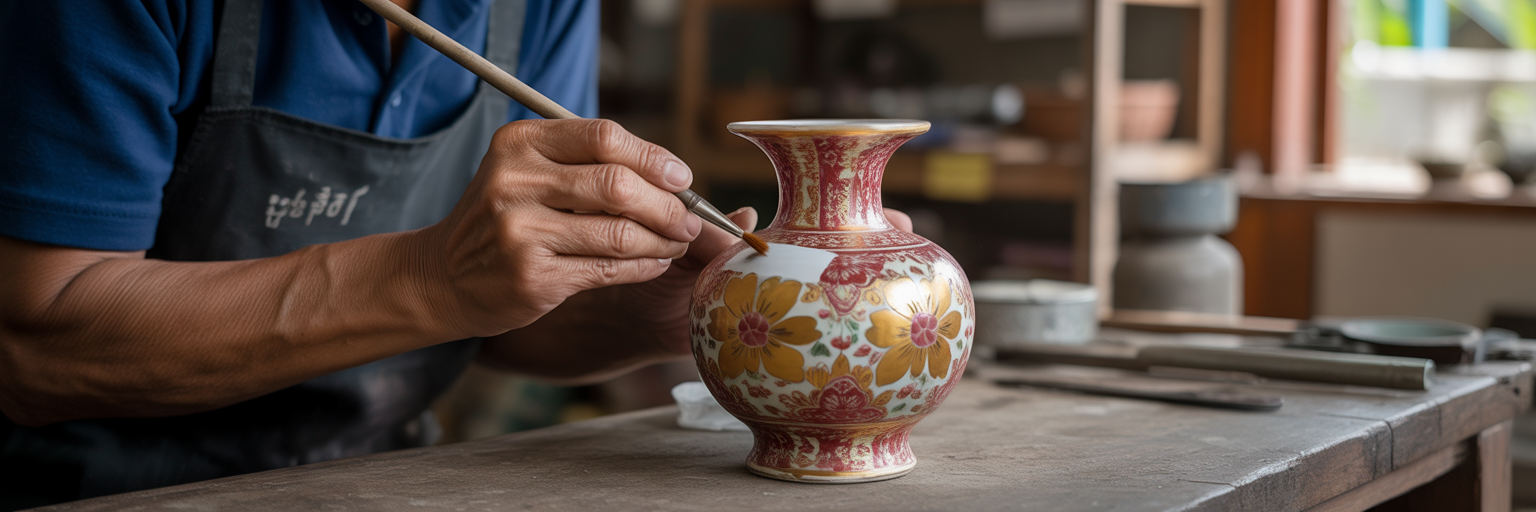
The most common question we hear is about longevity. It’s a valid concern, and the answer requires an honest look at how these tattoos age. Because they are created differently, they also settle into the skin differently over time.
Understanding the Fading Process
The main reason watercolor tattoos can soften is their signature lack of bold, black outlines. Traditional outlines act like containing walls for the ink pigment. Without them, the edges of a watercolor piece can blur slightly over the years. As a guide from VITIUM explains, the diluted inks used to create the painterly effect are also more susceptible to fading. So, how long do watercolor tattoos last in their original, crisp state? It depends on several factors, including colour, placement, and aftercare.
The Colour Fading Spectrum
Not all colours age at the same rate. Lighter and brighter pigments like yellows, light blues, and soft pinks tend to fade faster than their darker counterparts. Deeper blues, purples, and blacks hold their saturation for much longer. This doesn't mean you should avoid light colours, but it’s a practical point to consider during the design process. A skilled artist can strategically place darker tones to anchor the design and give it a longer visual life.
Setting Realistic Expectations
Think of your watercolor tattoo as a piece of fine art. Just like a painting may need restoration, your tattoo will likely need a touch-up to stay vibrant. For most people, this means a refresh session every 3 to 5 years. This isn’t a sign of a poorly done tattoo, but rather a normal part of maintaining this specific artistic style.
Placement Matters
Where you place your tattoo has a huge impact on its lifespan. Areas that see a lot of sun exposure and friction, like your hands, feet, or shoulders, will cause the tattoo to fade more quickly. Placements on the inner arm, ribs, or back are better protected, helping to preserve the delicate colours for longer.
| Factor | Traditional Tattoo | Watercolor Tattoo |
|---|---|---|
| Outlines | Strong, bold black outlines | Minimal or no black outlines |
| Color Application | Solid, saturated colour packing | Soft washes, gradients, and splashes |
| Initial Appearance | Bold and graphic | Painterly and fluid |
| Long-Term Aging | Holds shape well, colours may dull | Colours soften, edges may blur |
| Maintenance | Minimal touch-ups usually needed | Touch-ups often needed every 3-5 years |
This table provides a clear comparison to help readers understand the fundamental differences in technique and aging between traditional and watercolor tattoo styles.
Protecting Your Art in Singapore’s Climate
Proper aftercare is crucial for any tattoo, but the delicate nature of a watercolor piece requires special attention, especially in Singapore’s tropical environment. Here, the sun and humidity are your biggest challenges.
First, sun protection is non-negotiable. The intense, year-round UV radiation in Singapore is the primary enemy of tattoo vibrancy. Once your tattoo is fully healed, make applying a high-SPF (50+) broad-spectrum sunscreen a daily habit. This single step is the most effective defence against fading.
Next is moisturising. While our humidity keeps the air moist, your skin still needs hydration to stay healthy and keep your ink looking its best. Opt for a lightweight, non-greasy lotion. You want to avoid that sticky feeling that heavy creams can leave in our climate, which can clog pores and irritate the skin. As highlighted by specialists at Certified Tattoo Studios, the care you provide in the first few weeks is critical for the tattoo's long-term health.
Here are some essential watercolor tattoo aftercare tips for the initial healing phase:
- Gently wash the area with mild, unscented soap and water two to three times a day.
- Pat the tattoo dry with a clean paper towel. Do not rub it, as this can irritate the healing skin.
- Apply a very thin layer of the aftercare ointment recommended by your artist.
- Avoid swimming, whether at Sentosa or in a condo pool, until the tattoo is fully healed. Chlorine and saltwater can damage fresh ink.
- Be mindful of friction from clothing or bags, especially on a crowded MRT ride.
For personalised advice tailored to your skin and lifestyle, our team at Memory Lane Tattoo Studio is always ready to guide you through the healing process.
Choosing Your Watercolor Tattoo Maestro
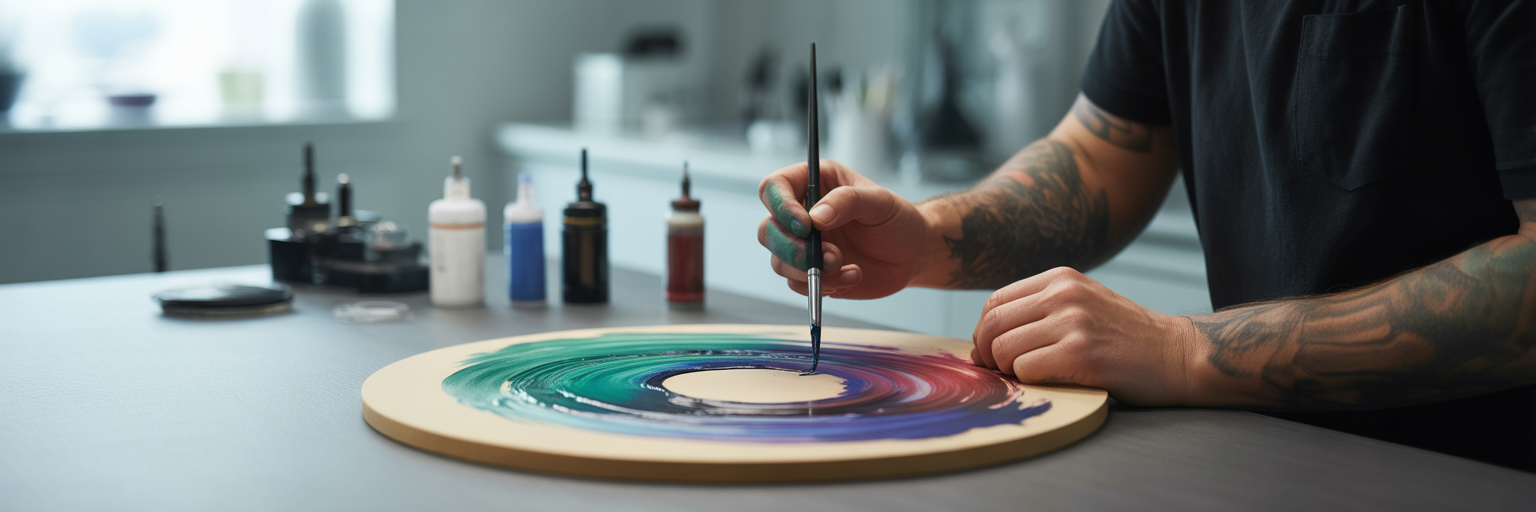
The success of a watercolor tattoo rests almost entirely on the artist's skill. This is not a style that every tattooist can execute well. It requires a deep understanding of colour theory, ink dilution, and how to layer colours within the skin to create a lasting effect without the safety net of a bold outline. Industry resources like TatScout stress that this style demands an artist with masterful control.
When you review an artist’s portfolio, look for one crucial thing: photos of healed work. Fresh tattoos are always vibrant and sharp, but healed photos from one or more years later reveal the artist’s true ability to create a design that stands the test of time. This is the best indicator of quality.
The consultation is just as important. This is your chance to align your vision with the artist’s expertise. Don’t be afraid to ask direct questions: “How do you adapt your technique to ensure the tattoo ages well?” or “Can you show me healed examples of your watercolor pieces?” The best watercolor tattoo artist will welcome these questions and provide confident answers. They may even suggest subtle techniques, like using fine grey lines or a more saturated colour base, to enhance longevity. This is also a great time to discuss other delicate styles, like a fine line tattoo Singapore artists are known for, to see what best fits your vision. This collaborative dialogue is a process we prioritise at Memory Lane Tattoo Studio to ensure your piece is perfect.
Is This Dreamy Tattoo Style for You?
A watercolor tattoo is a beautiful commitment. It offers an artistic and unique form of self-expression, but it requires a partnership between you, your artist, and a dedicated aftercare routine. Is it the right choice for you? Consider these points:
- Pro: You get a unique, painterly piece of body art that stands out from traditional styles.
- Con: It demands diligent, lifelong sun protection and a commitment to future touch-ups to maintain its vibrancy.
Ultimately, a watercolor tattoo Singapore style piece is perfect for someone who adores the aesthetic and is prepared to invest in its long-term care. It’s more than just ink, it’s a living piece of art you carry with you.
Ready to explore your own watercolor vision? Book a consultation with our artists at Memory Lane Tattoo Studio to bring your ideas to life.