
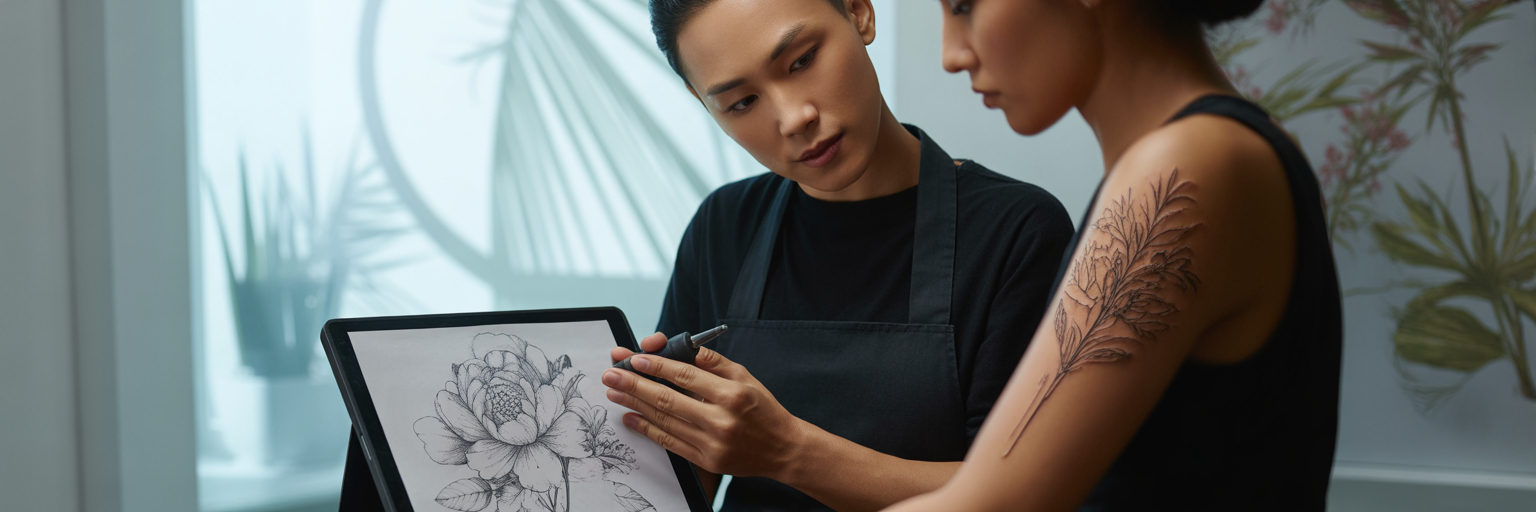
Tattoos have long been a medium for storytelling, but transforming a scar into art is perhaps the most personal narrative one can create. It is a journey of reclamation, turning a part of your history into a design you can wear with pride.
The Art of the Scar Tattoo: A New Beginning
Choosing to get a scar tattoo is a deeply personal decision. It is not about concealment, but about transformation. At Memory Lane, we view this as a collaborative process, where we work with you to create a bespoke design that honours your story and empowers you to see your skin in a new light. This journey is about creating a piece of art that integrates your past into a beautiful present.
The first and most crucial step is timing. A scar must be fully matured before it can be safely tattooed. This typically means waiting at least 12 to 24 months after the injury. As noted in professional tattoo guides, attempting to tattoo a scar that is still red, pink, or in its remodelling phase can lead to poor ink retention and may even compromise the final result or harm the skin. Patience during this stage is essential for a successful outcome.
Your journey begins with an initial consultation. This is more than just a meeting; it is the foundation of our creative partnership. During this session, our artists will carefully assess your scar’s texture, age, and type to determine its suitability for tattooing. It is also where we begin to explore artistic possibilities together, listening to your story and discussing how we can translate it into a design that is both meaningful and aesthetically pleasing. With the right artist and a thoughtful approach, a scar can become the foundation for a beautiful new chapter.
Key Considerations Before Your Tattoo
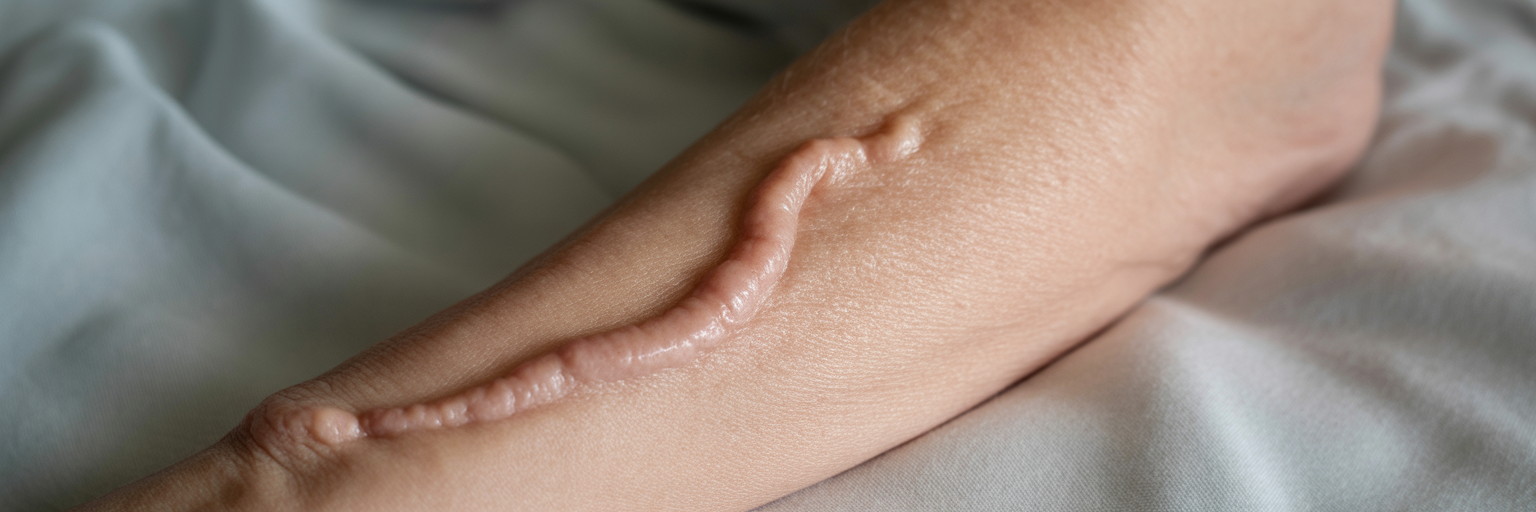
Beyond the emotional readiness, there are important technical aspects to consider before proceeding. A professional artist will first assess if your scar is ready for ink. An ideal scar is relatively flat and pale, having settled into the surrounding skin. Scars that are still red, purple, raised, or bumpy require a more cautious approach.
Certain types, such as keloids or hypertrophic scars, have a different collagen structure that makes them challenging to work with. For individuals with a history of these complex scar types, sources like TryTattoo's 2026 guide emphasize that a medical opinion from a dermatologist is crucial before proceeding. Our commitment is always to your safety and wellbeing, and we will always recommend a professional medical consultation if there is any uncertainty.
The process of tattooing over scar tissue requires specialised techniques. Scar tissue absorbs ink differently than unscarred skin, and an experienced artist understands how to adjust their needle depth and speed to ensure even saturation and crisp lines. Pain and sensitivity can also be unpredictable. Some areas of a scar may have diminished nerve endings and feel numb, while others can be more sensitive. Our artists work with precision and care, communicating with you throughout the process to manage your comfort.
To help you understand what we look for, here is a general guide. However, a professional in-person consultation is always necessary to confirm suitability.
| Scar Characteristic | Ideal for Tattooing (Low Risk) | Requires Professional Assessment (High Risk) |
|---|---|---|
| Colour | Pale, white, or skin-toned | Red, pink, or purple |
| Texture | Relatively flat and smooth | Raised, bumpy, or indented (keloid/hypertrophic) |
| Age | Fully healed (typically 1-2 years or older) | Still healing or less than 12 months old |
| Sensation | Normal or reduced sensation | Extremely sensitive or painful to the touch |
For clients with particularly sensitive skin or complex scars, we may suggest a patch test. This involves tattooing a small, discreet area to see how the skin reacts and heals before committing to the full design.
Designing Art That Complements Your Story
The most impactful scar tattoos are those that integrate the scar into the design, rather than simply placing an image over it. Our design philosophy at Memory Lane is centred on this principle of integration. We believe the scar’s shape, texture, and flow can become intentional elements of the artwork, creating a piece that is harmonious and unique to you. This approach is at the heart of exceptional scar cover up tattoo Singapore artistry.
Certain designs are particularly effective for working with scar tissue. Exploring these scar tattoo design ideas with your artist can open up beautiful possibilities:
- Organic Elements: Flowers, feathers, waves, and botanical patterns are excellent choices. Their natural, flowing lines can gracefully accommodate uneven textures and follow the scar's form, making it look like a deliberate part of the composition. Many successful designs use these shapes, as shown in collections of scar cover-up ideas that focus on reclamation.
- Styles with Depth: Tattoo styles like realism, neo-traditional, or illustrative blackwork often use dense shading and high contrast. These techniques are highly effective at creating an illusion of depth and texture, drawing the eye to the new design and away from the underlying skin.
- Strategic Colour and Shading: A skilled artist can use darker pigments and masterful shading to visually flatten raised areas or fill in indentations. This creates a smoother appearance and directs focus to the vibrant new artwork.
The success of these techniques depends on the artist's technical knowledge and artistic vision. Trusting their professional judgment is key to creating a design that is not only beautiful but also technically sound for your specific scar. To see how our artists blend personal stories with expert technique, you can explore our portfolio of bespoke designs at Memory Lane Tattoo Studio. Our collaborative process ensures the final piece is one you will cherish forever.
Your Artist and Aftercare for a Lasting Result
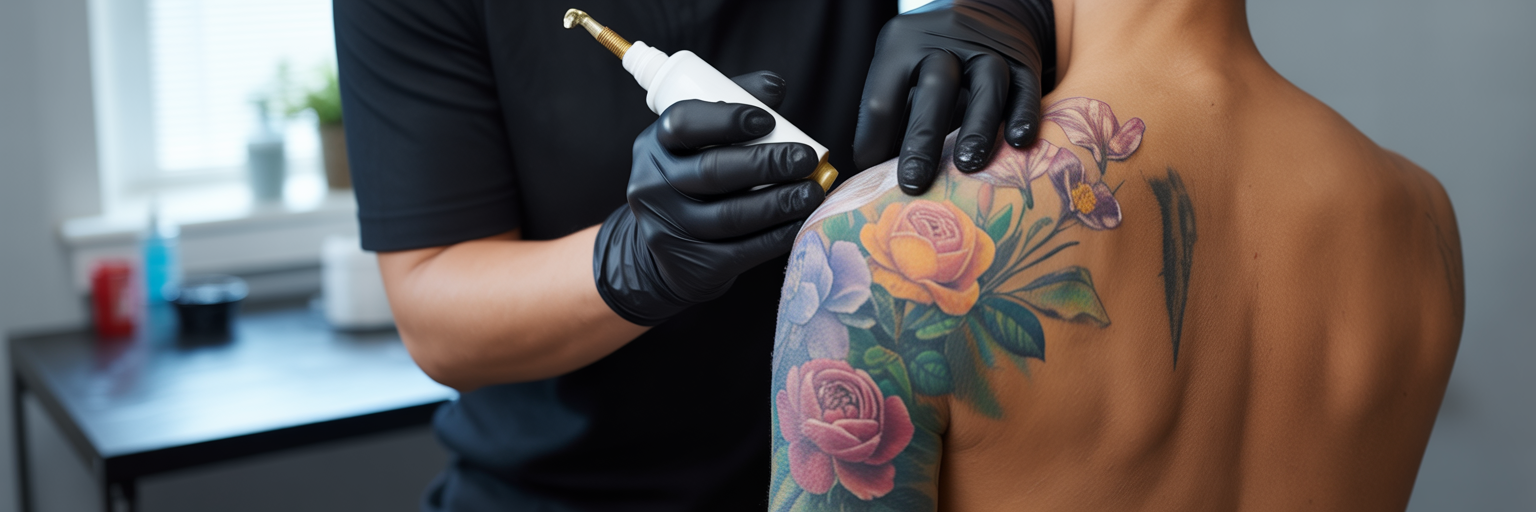
The final outcome of your tattoo depends heavily on two factors: the artist's expertise and your commitment to aftercare. Choosing the best tattoo artist for scars is the most important decision you will make. Look for an artist whose portfolio demonstrates specific experience with scar cover-ups. As experts at Inkscape Tattoo advise, it is vital to ask to see photos of healed scar tattoos, not just fresh ones. The healed result is the true measure of an artist's skill in managing ink saturation and line work on complex tissue.
It is also important to have clear expectations. Working on scar tissue can be more time-consuming than a standard tattoo. The skin may be more resistant to ink, sometimes requiring multiple sessions to achieve the desired depth and vibrancy. This is a normal part of the process to ensure a flawless result.
The healing process for scar tattoo work also requires extra diligence. Your artist will provide detailed instructions, and following them precisely is crucial for a lasting result. In Singapore's humid climate, keeping the area clean and properly moisturised is especially important to prevent infection and promote smooth healing.
- Keep the tattoo clean with a gentle, fragrance-free soap.
- Apply a thin layer of the recommended aftercare ointment.
- Avoid soaking the tattoo in water, such as in pools or bathtubs.
- Protect the healing skin from direct sun exposure.
Finally, be aware that a touch-up session may be needed after the tattoo has fully healed. This is not a sign of failure but a standard step in perfecting a design on complex skin. It reflects our shared commitment to achieving a piece of art that you will love for a lifetime.