
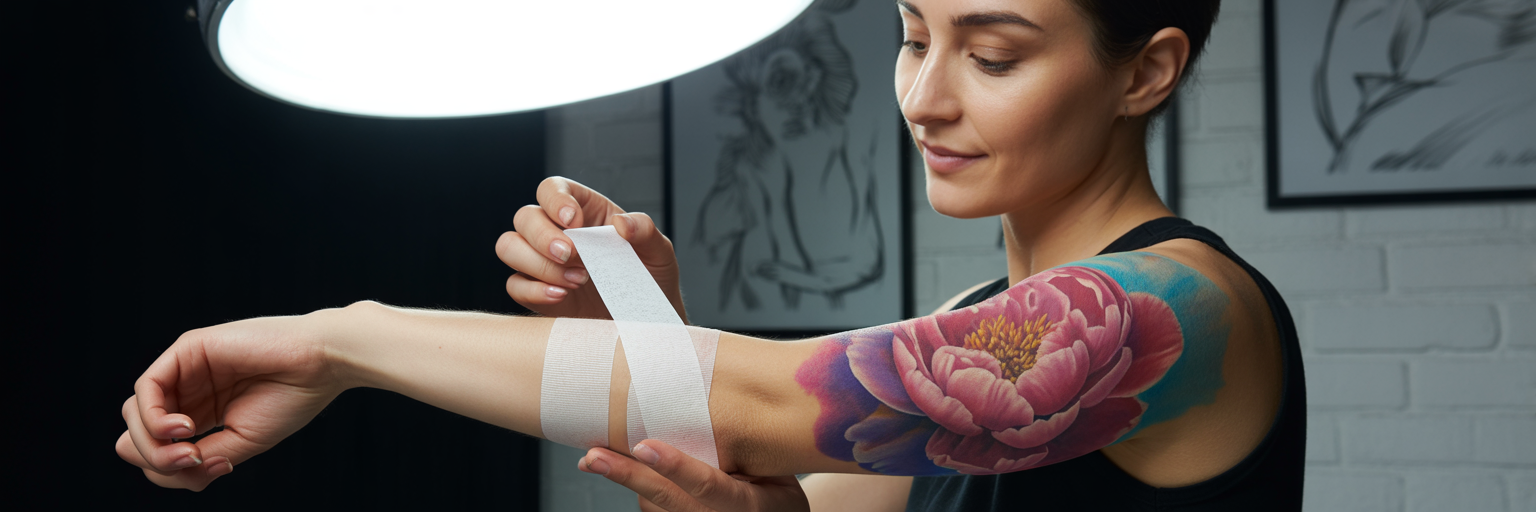
The creation of a bespoke tattoo is a profound partnership. Our role as artists is to translate your story into a design that is both meaningful and masterfully executed. Your role, equally important, begins the moment you leave our studio. The journey to a vibrant, lasting piece of art is completed through dedicated aftercare. Optimal tattoo recovery is not about rushing a natural biological process, but about creating the perfect environment for your body to heal efficiently. This approach prevents complications that can delay healing and compromise the final artwork. Consider proper aftercare the final, essential step in honouring the investment you have made in your personal art.
The Foundation of Optimal Tattoo Recovery
The journey of a tattoo extends far beyond the artist's chair. We see the creation of your art as a collaboration; our artists craft the piece, but it is you who preserves its integrity for a lifetime. When we speak of "faster" healing, we are not suggesting a way to hurry your body's innate repair mechanisms. Instead, we focus on creating an optimal environment that allows this process to unfold without interruption. By preventing delays from infection, irritation, or improper care, you ensure the ink settles perfectly and the design remains crisp. Diligent aftercare is the final, crucial act in this artistic partnership, safeguarding the beauty and significance of your new tattoo.
The First 72 Hours: Creating the Ideal Healing Environment
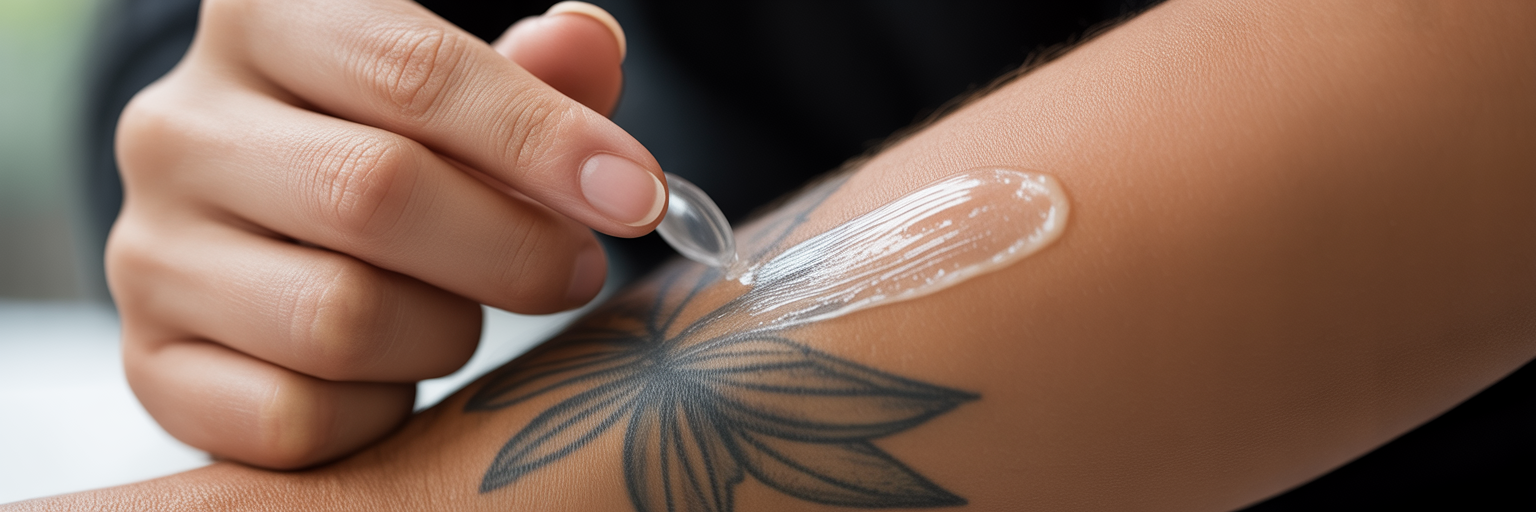
The first three days are the most critical period for your new tattoo. During this time, your skin is an open wound, and your actions directly influence the quality of the final result. We advocate for the "moist wound healing" method, a technique supported by science. As reported in the Body Art Engineering Journal by Poli International, this approach can improve skin cell migration by up to 50% compared to dry healing. This prevents the formation of heavy scabs, which can pull ink out as they fall off. Following these precise new tattoo care instructions is essential.
For the first 72 hours, follow this cleaning process twice daily:
- Wash the tattoo with a gentle, fragrance-free, microbiome-friendly soap. Use only your clean fingertips to create a lather and gently cleanse the area.
- Avoid harsh antibacterial soaps. These products can strip the skin of its beneficial flora, which are necessary for a healthy and balanced healing environment.
- Gently pat the area dry with a fresh, disposable paper towel. Reusable cloth towels can harbour bacteria and their abrasive texture can irritate the delicate new skin.
After patting the tattoo completely dry, apply a very thin layer of a recommended occlusive ointment. The layer should be just enough to give the skin a slight sheen, not a thick, greasy coating. This protects the tattoo while allowing it to breathe.
Aftercare for Weeks One to Four
After the initial 72-hour period, the tattoo healing process enters a new phase, and your aftercare routine must adapt accordingly. Your skin has begun to close, so you can transition from an occlusive ointment to a light, water-based, fragrance-free moisturiser. The goal is to keep the skin hydrated without suffocating it. A common mistake at this stage is over-moisturising, which can lead to complications.
As a practical guide, we recommend the "matte finish" rule. After applying lotion, the skin should absorb it within minutes, leaving a natural, matte appearance. If your tattoo still looks glossy or wet an hour later, you have used too much. Excessive moisture can clog pores and lead to folliculitis, a condition where hair follicles become inflamed. This inflammation not only prolongs healing but can also negatively impact the settled appearance of your artwork. Continue your gentle cleaning routine once or twice daily throughout this period to keep the surface clean and free of irritants as the new skin forms over your tattoo.
Lifestyle Choices That Support Healing

Topical care is only one part of the equation. How you treat your body from the inside has a significant impact on healing. To understand how to heal a tattoo fast and effectively, it is important to adopt lifestyle habits that support your body's natural repair systems. As a trusted health source like the Cleveland Clinic outlines, certain activities should be avoided to prevent irritation and infection. We encourage our clients to focus on the following supportive habits:
- Hydration: Drinking plenty of water is fundamental. Well-hydrated skin is more resilient and elastic, which aids the repair process and helps maintain the vibrancy of the ink.
- Quality Sleep: Your body performs most of its primary repair functions during deep sleep. Aim for consistent, restful sleep to give your immune system the best chance to heal the skin efficiently.
- Supportive Nutrition: A balanced diet rich in vitamins and minerals can accelerate healing. Protein is essential for collagen synthesis, while nutrients like zinc and Vitamin C play a direct role in wound repair.
- Activity Moderation: For the first week, avoid intense exercise that causes excessive sweating. Gyms can be breeding grounds for bacteria, and sweat can irritate a fresh tattoo. Gentle movement is fine, but strenuous activity should wait.
Common Mistakes That Compromise Your Tattoo
Protecting your new artwork is as much about what you do as what you avoid. Certain common mistakes can irreversibly damage a tattoo, compromising the artistry you invested in. This is particularly true for tattoo aftercare Singapore, where our tropical climate presents unique challenges. The intense sun and high humidity require extra vigilance. To provide a clear, scannable reference, we have summarised the most critical errors to avoid. Adhering to this professional guidance is key to ensuring your tattoo heals beautifully.
| Common Mistake | Correct Action | Reason |
|---|---|---|
| Sun Exposure | Keep the tattoo completely covered from the sun for at least 3-4 weeks. | UV rays cause inflammation, blistering, and permanent ink fading. |
| Soaking in Water | Avoid baths, pools, hot tubs, and the sea for 2-3 weeks. Showering is fine. | Submerging a healing tattoo can introduce bacteria, leading to serious infection. |
| Wearing Tight Clothing | Wear loose, soft, breathable fabrics like cotton over the tattooed area. | Friction from tight clothes can damage the delicate new skin and pull out ink. |
| Picking or Scratching | Allow skin to flake off naturally. Use a gentle cold compress for severe itching. | Picking physically pulls pigment from the dermis, causing patchy and faded results. |
Patience and the Final Artistic Result

The final stage of healing requires patience. Around weeks three to eight, many clients notice their tattoo appears slightly dull or cloudy. This is often called the "milky phase" and is a completely normal part of the process. As detailed in healing guides like the one from Tattoo Build, this temporary appearance is caused by a new layer of epidermis regenerating over the ink. It is not a sign of fading or a flawed tattoo.
The true, final vibrancy and clarity of your tattoo will only be revealed after about two months, once the skin has fully settled and healed. Diligent aftercare is the final act in our collaborative journey, ensuring the bespoke design we created together remains a beautiful, timeless piece of art. This commitment to the process is central to our philosophy at Memory Lane Tattoo Studio, and we are here to guide you through every step. We invite you to trust the process and look forward to seeing your fully realised work of art.