

An artist considers the unique grain of marble before making the first cut, seeing how its natural form will shape the final sculpture. In the same way, your body is a living, three-dimensional canvas, not a flat sheet of paper. The art of tattoo placement is a foundational design decision, one that ensures your chosen artwork harmonises with your body’s natural contours. A thoughtfully placed tattoo flows with the lines of muscle and bone, creating a sense of movement and dimension that feels truly integrated.
The goal is never to simply apply an image to the skin. Instead, it is to create a piece of art that becomes a part of you. This is achieved through a collaborative dialogue between you and your artist. Together, we explore how a design can complement your form, turning a personal story into a piece of art that is both beautiful and timeless. This conversation is the cornerstone of creating a tattoo you will cherish for a lifetime.
Matching Your Design to the Body's Canvas
Moving from philosophy to practice, the next step is pairing your design with the ideal location on your body. The relationship between a tattoo's size, detail, and its placement is direct and crucial for the artwork's impact. Finding the best place for a tattoo means creating a synergy where the location enhances the design, and the design flatters the body part it adorns. For those seeking more visual tattoo placement ideas, comprehensive resources are available. As an example, a guide from Tattooing 101 offers a broad overview of common placements.
Large, intricate styles like hyper-realism or expansive watercolor pieces need a broad, relatively flat canvas to preserve their detail and visual power. In contrast, smaller, minimalist designs are elegantly framed by more delicate areas. Placing highly detailed art in high-movement zones like the fingers or feet is often discouraged, as the constant motion and friction can cause ink to blur and spread over time, compromising the design's clarity.
Consider these examples of synergy:
- A long, winding floral design that follows the natural curve of the spine or wraps around a limb.
- A bold, symmetrical mandala centred on the upper back or sternum to complement the body's balance.
- A delicate fine-line script placed on the inner wrist, where it serves as a personal, subtle reminder.
| Tattoo Style | Ideal Body Area | Reasoning |
|---|---|---|
| Large-Scale Realism / Watercolor | Back, Thigh, Chest | Provides a large, stable canvas to maintain detail and impact. |
| Fine-Line / Minimalist Script | Inner Wrist, Ankle, Collarbone | Delicate areas frame small designs without overwhelming them. |
| Geometric / Mandala | Forearm, Upper Back, Calf | Flat planes and symmetrical muscles complement geometric precision. |
| Organic / Floral Wraps | Arm, Leg, Ribs, Spine | Follows the natural curvature of the body to create flow and movement. |
Visibility, Career, and Your Personal Story
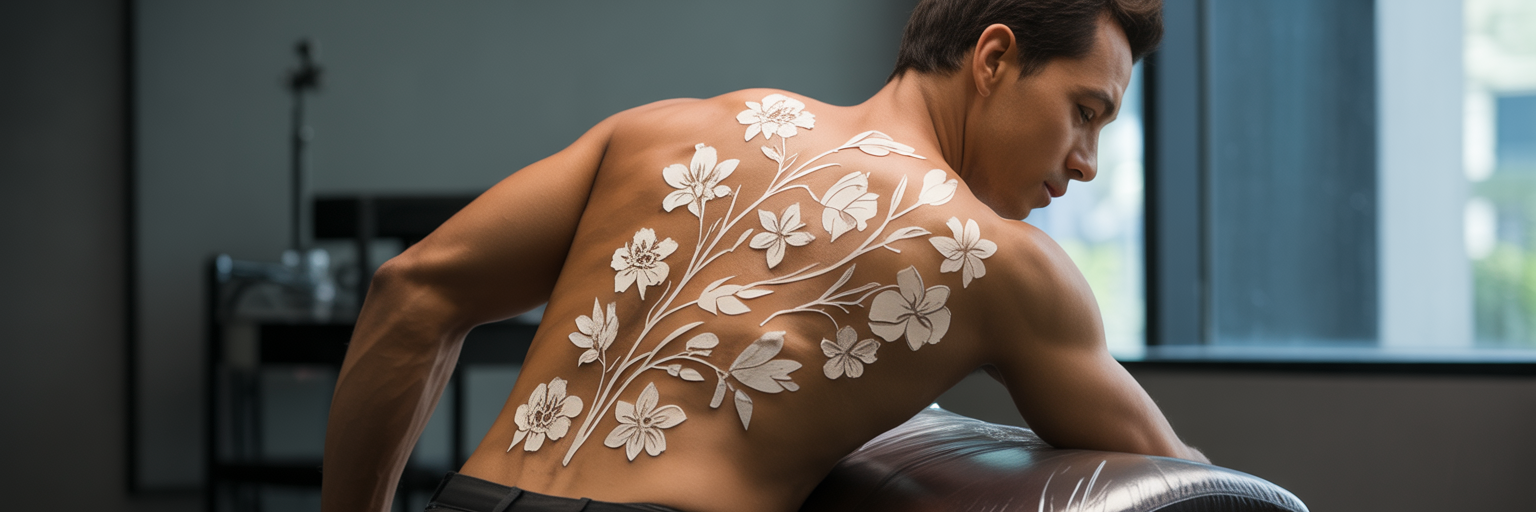
Your tattoo is a chapter in your personal story, and its placement often determines how and with whom that story is shared. The decision involves a spectrum of visibility, from highly prominent locations like the hands and neck to more private canvases such as the ribs, hips, or inner thigh. A tattoo on the forearm makes a confident statement, while one hidden over the heart may hold a more intimate meaning known only to you.
In a professional hub like Singapore, these considerations are practical. While attitudes toward body art are modernising, thinking about your career path is a wise step in the planning process. For many, the upper arm or back offers a perfect balance, allowing for personal expression that can be easily concealed in more formal settings. This thoughtful approach to tattoo placement Singapore ensures your art aligns with all aspects of your life. As you consider these factors, you might find it helpful to explore how visibility and other elements intersect. For instance, the placement guide from Ombra Tattoo offers further insights into this balance.
Ultimately, the choice connects directly to your narrative. Is this a proud declaration for the world to see, or is it a quiet reminder meant just for you? Because personal preferences can evolve, selecting a placement that offers long-term flexibility is a decision you will appreciate for years to come.
Ensuring Your Tattoo's Longevity and Graceful Aging
A truly professional artist considers not only how a tattoo will look tomorrow, but how it will age over the next decade. Choosing a placement is an investment in the future of your art, and understanding how different body parts affect a tattoo's aging process is key. Some areas are more susceptible to friction and sun exposure, which can cause ink to fade and lines to soften more quickly.
Conversely, other areas provide a more stable canvas, preserving the vibrancy and sharpness of your tattoo for much longer. An expert artist will always guide you toward a location that protects your artwork. This foresight is a mark of quality and care, ensuring your piece remains a source of pride for decades. As noted in an expert guide from Here Tattoo, design and placement choices are fundamental to a tattoo's future.
To help you make an informed decision, here are some factors to consider:
- High-Friction and High-Exposure Areas: Fingers, hands, feet, and elbows experience constant movement and rubbing against clothing. This friction, combined with frequent sun exposure, can lead to faster fading and blurring.
- Areas Prone to Skin Changes: The stomach, hips, and sides can be affected by weight fluctuations or pregnancy, which may stretch or distort a tattoo. While not a reason to avoid these areas, it is a factor to discuss with your artist.
- Stable and Protected Canvases: The inner bicep, calves, outer thighs, and upper back are generally more protected from the sun and experience less skin friction. Tattoos in these locations tend to age exceptionally well, retaining their colour and detail over time.
Navigating Pain and the Tattooing Process
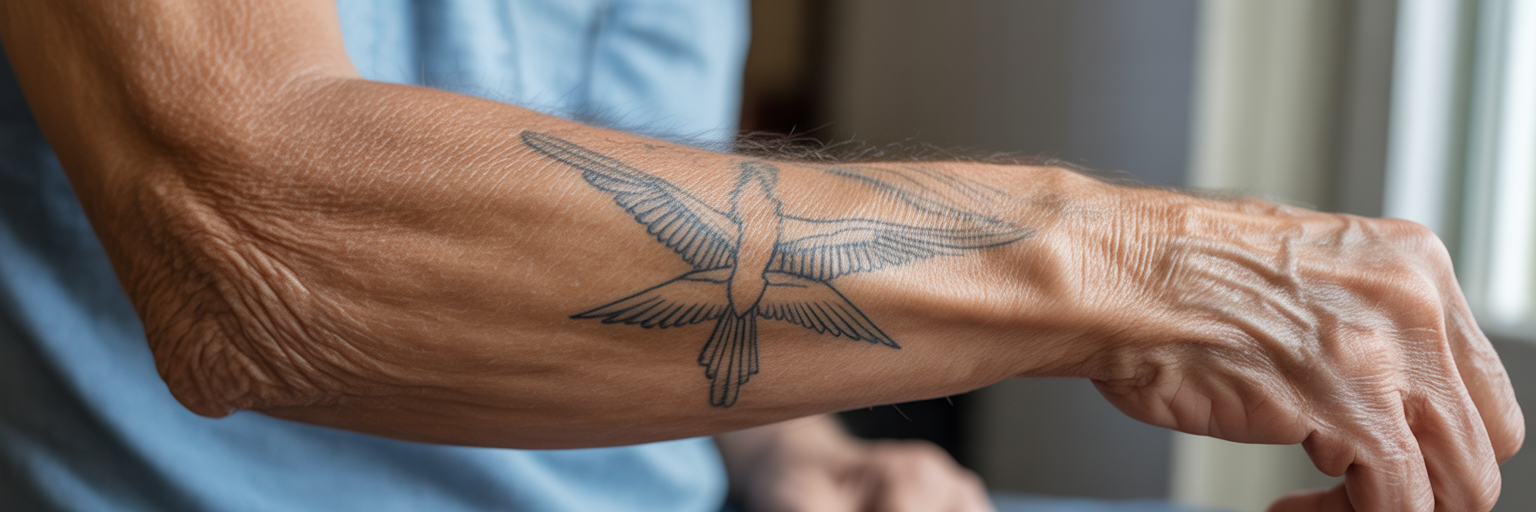
It is natural to have questions about the physical sensation of getting a tattoo. While online charts attempt to map tattoo placement pain, the experience is highly subjective and varies from person to person. As a general guide, areas with thinner skin and less fatty tissue directly over bone, such as the ribs, sternum, and ankles, tend to be more sensitive. Fleshy areas like the outer thigh, bicep, and forearm are typically less so.
However, the most important factor in managing your comfort is not the location itself, but open communication with your artist. We can adjust the session length, take breaks, and use techniques to ensure the process is as manageable as possible. Your preparation and our partnership are key. In any specialised field, from securing a digital presence to creating personal art, relying on expert guidance and thorough preparation is paramount for achieving the best outcome. The journey concludes with proper aftercare, a final, crucial step that ensures your new artwork heals beautifully regardless of its placement.
The Collaborative Journey to Perfect Placement
Ultimately, choosing a tattoo spot is the final step in a thoughtful, collaborative process. It is a decision that balances artistry with your personal lifestyle and long-term vision. The journey involves a partnership between you and your artist, where your story and our expertise come together to create something truly meaningful.
To summarise, the main factors to consider are:
- Design and Scale: Matching the artwork's size and detail to a complementary body part.
- Lifestyle and Visibility: Aligning the placement with your personal and professional life.
- Longevity: Selecting a location that will protect your art and allow it to age gracefully.
- Personal Comfort: Openly discussing your comfort level with your artist.
A crucial moment in our collaborative process is the stencil preview. This is when you see the design on your body before any ink is applied, allowing you to request adjustments and feel completely confident in the placement. It is our belief at Memory Lane Tattoo Studio that the most beautiful art is created when an informed client and a knowledgeable artist work together. To begin your own collaborative journey, we invite you to start a conversation with our artists.