
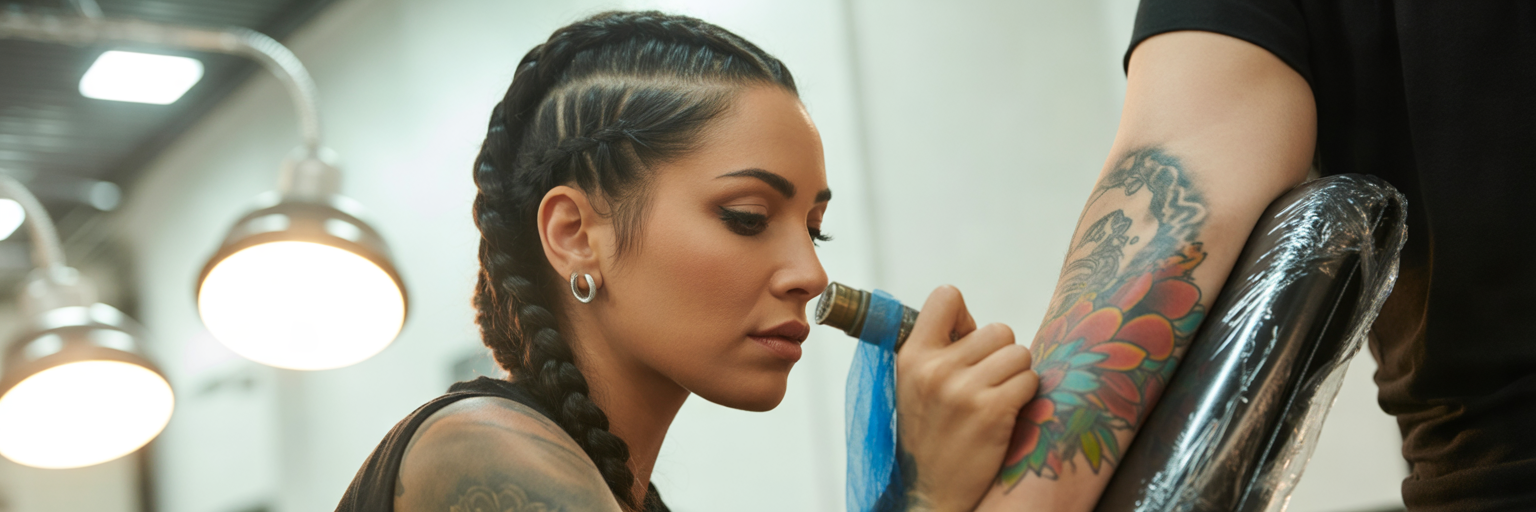
Dermal macrophages continuously absorb and disperse microscopic ink particles over the years, causing once crisp lines to blur and vibrant tones to mute. Rather than hiding these aged markings behind heavy blocks of dark pigment, contemporary custom artistry treats faded ink as a structural foundation for detailed, three dimensional restoration. When transforming faded tattoos, our collaborative approach ensures that every subtle shift in the existing pigment serves a higher artistic purpose.
Why Transforming Faded Tattoos Requires Structural Restoration
Modern tattoo artistry has moved far beyond simply retracing blurry outlines or applying heavy opaque blackouts over unwanted pieces. In 2026, a successful custom tattoo restoration focuses on structural harmony and tonal integration. Rather than viewing aged work as a mistake that needs to be buried under dense ink, our artists evaluate the settled shapes to see how they can support a brand new three dimensional composition.
Treating Aged Pigment as an Underpainting
Think of the process like classical oil painting. A master painter rarely begins on a stark white canvas, instead laying down a muted charcoal sketch or a monochromatic underpainting to establish shadow and depth. We apply this exact philosophy when planning a faded tattoo rework. Those softened grey lines and dispersed patches of old pigment act as our foundational shadow layer. By designing high contrast motifs such as intricate botanical arrangements, lifelike portraiture, or dynamic blackwork, we naturally absorb the darkest remnants of your original tattoo. Incorporating elements from our guide on blending Eastern and Western fusion styles also allows us to weave fluid brushstrokes and deep dimensional shadows directly over stubborn historical lines.
Reclaiming Personal Narratives Through Bespoke Design
Carrying ink from decades ago that no longer aligns with who you are today can feel emotionally heavy. Many clients visit our studio hoping to erase a past chapter, yet they leave with an artwork that celebrates their personal growth. Through an open and unhurried consultation, we listen to your current milestones and artistic preferences to build a bespoke piece from the ground up. Treating your old ink as a structural base opens up incredible possibilities for a seamless, high contrast upgrade that truly reflects your present identity.
In-Person Skin Evaluations and Color Theory Planning
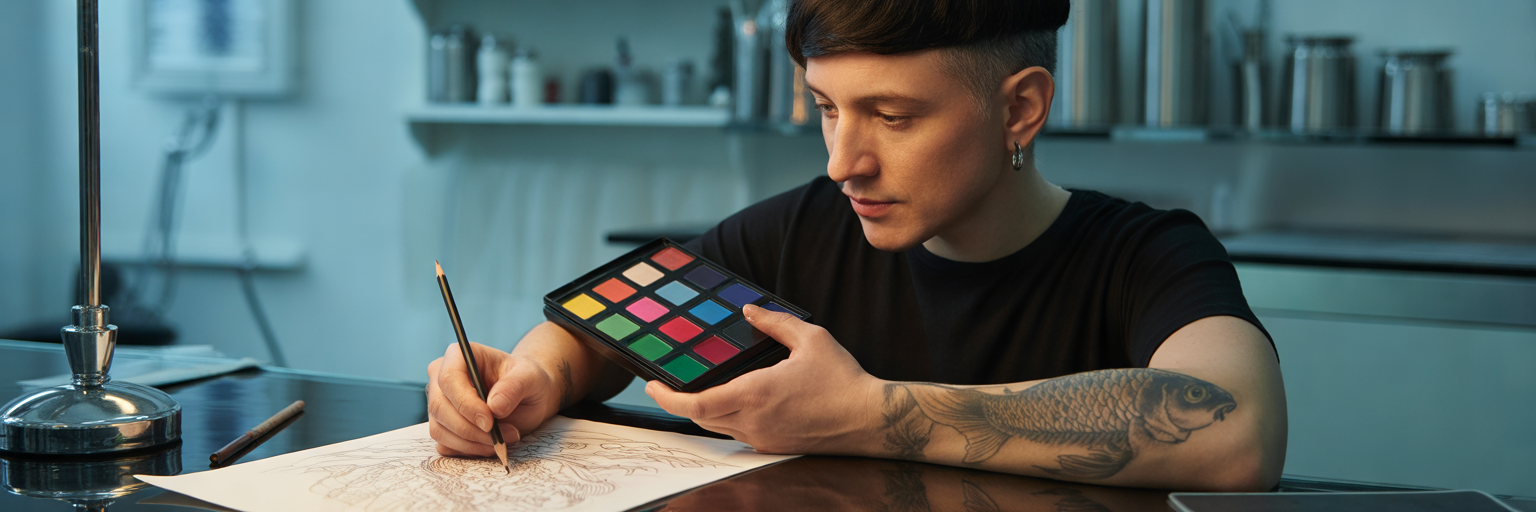
Turning that conceptual vision into a lasting reality begins with a close look at the canvas itself. Prospective clients often ask why we require an in person consultation rather than providing quick quotes over messaging apps or email photos. Digital cameras automatically adjust contrast and flatten skin texture under artificial room lighting. A smartphone screen simply cannot reveal how deeply old ink sits in the dermis, nor can it show subtle ink blowouts or raised tissue.
The Necessity of Physical Dermal Assessments
During a physical assessment, we gently stretch the skin under studio lighting to gauge its elasticity and feel for any textural changes left by heavy handed needle work from the past. If an older piece involves raised lines or skin trauma, applying the insights from our approach to transforming scars into meaningful tattoo art helps us design textures that visually smooth out the surface. Planning a tattoo cover up Singapore clients can wear with pride requires this hands on evaluation. Artistic director Apple Qu and our team at Memory Lane Tattoo Studio guide both local residents and international visitors through this tactile inspection so there are no surprises once the session begins.
Subsurface Color Neutralization and Anatomical Mapping
Executing realistic cover up tattoos also demands a deep command of subcutaneous color theory. Just as biological researchers study the ancient origins of skin color mechanisms to understand how light interacts with dermal layers, a skilled hyper realistic tattoo artist evaluates how your natural undertone filters the settled pigment beneath your epidermis. Instead of forcing dark black ink over bluish or muddy green remnants, we use warm sepia, muted terracotta, and earthy olive tones to neutralize unwanted hues and prevent the old design from bleeding through years later. Once the color strategy is set, we combine digital visualization with freehand sketching directly on your body, following our strategic guide to anatomical tattoo placement so the new artwork flows naturally with your musculature.
| Existing Ink Condition | Primary Structural Challenge | Color Theory and Neutralization Approach | Recommended Realism Motif |
|---|---|---|---|
| Faded Black and Grey Linework | Cool bluish undertones sitting deep in the dermis | Warm sepia and muted orange undertones to counteract cool hues | High contrast portraiture or architectural realism |
| Muddy Saturated Color Blocks | Dense pigment buildup and reduced skin elasticity | Opaque earthy tones layered with strategic negative space | Dense botanical foliage or textured wildlife |
| Scarring or Ink Blowouts | Uneven epidermal texture and blurred perimeter edges | Soft gradient feathering to diffuse light across raised tissue | Organic watercolor fusion or flowing drapery |
This table outlines standard dermatological and chromatic principles applied during professional studio consultations to match existing skin conditions with viable solutions. Thorough physical skin evaluations and strategic color neutralization remain essential steps before any needle touches the skin.
Micro-Shading Techniques and the Reality of Aging Ink
Once the anatomical blueprint and color palette are finalized on the skin, the focus shifts entirely to needle execution and how fresh pigment settles over time. Contemporary realism moves away from rigid, cage like outlines that trap pigment. Instead, we build three dimensional form through delicate micro shading, whip shaded gradients, and soft pendulum needle movements that mimic natural light and shadow.
Building Depth Through Tonal Gradients
Layering new realism over settled ink requires a delicate touch so the skin never looks overworked or heavy. By using smooth tonal gradients and subtle brushwork, we create atmospheric depth that draws the eye toward crisp focal points while pushing older, darker areas into the background shadows. When a piece calls for softer perimeter transitions, we often apply techniques detailed in our exploration of blending watercolor techniques into fusion tattoos, allowing the edges of the cover up to breathe against your natural skin tone rather than ending in a harsh border.
Balancing Ultra-Fine Details with Long-Term Readability
Honest collaboration means discussing how hyper realistic details behave years after you leave the studio chair. Social media feeds are filled with fresh studio photographs showcasing microscopic water droplets, individual eyelashes, and stark white highlights. While those tiny accents look striking under a camera lens on day one, living skin continually regenerates, causing ultra fine textures to soften and expand slightly over the years. We solve this natural aging process by building a bold underlying value structure first. High contrast between deep shadows and open mid tones ensures the portrait or floral composition remains vibrant and readable decades later, long after the finest surface highlights have gently settled. When reviewing an artist portfolio for a rework, we encourage clients to look for four specific indicators of lasting quality:
- Healed Photographs from Two or More Years Ago: Verify how the artist saturation and tonal contrast hold up after the skin has fully matured through multiple seasonal cycles.
- Complete Absence of Ghosting: Check that the underlying old linework does not peek through the lighter mid tones of the fresh realism piece.
- Seamless Edge Transitions: Observe how the borders of the new tattoo feather out into surrounding uninked skin without abrupt, heavy framing.
- Unfiltered Studio Lighting: Look for portfolio images taken without polarizing lenses or heavy digital contrast edits so you can judge true healed skin texture.
Lasting hyper realism always depends on balanced contrast and structural depth rather than relying on fleeting micro details alone.
Long-Term Preservation in Tropical Climates
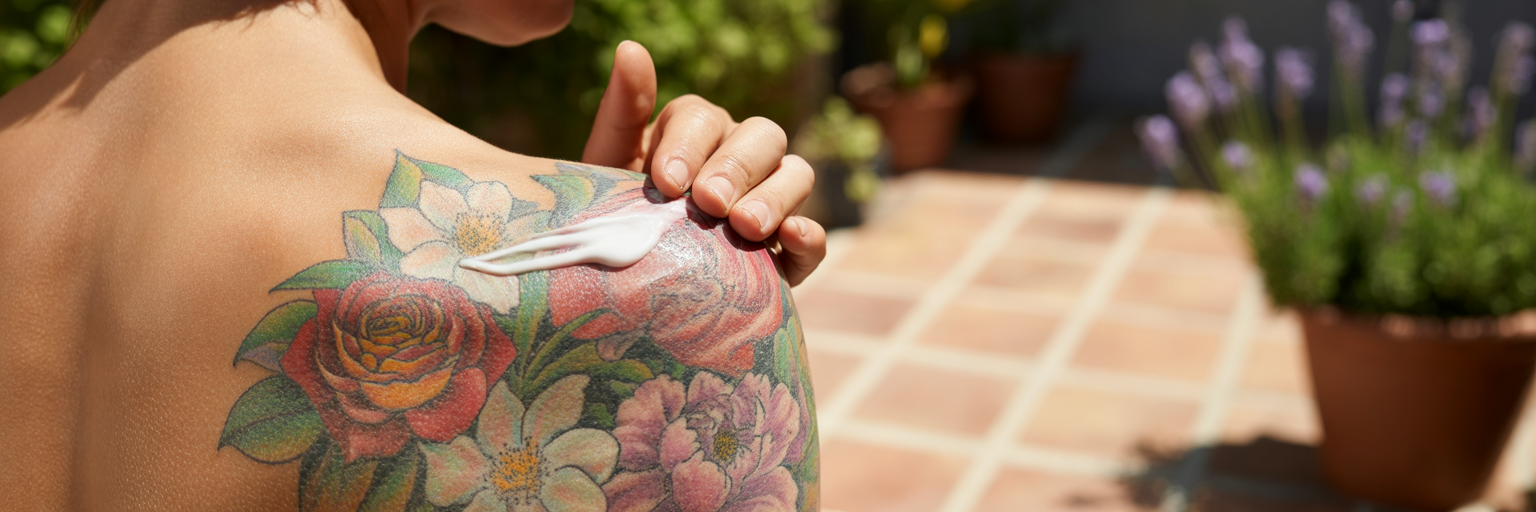
Achieving that balanced contrast in the studio is only half the journey, as your daily environment plays an equally vital role in how those refined gradients mature. Because a cover up involves layering fresh pigment over previously tattooed dermis, the skin experiences slightly higher cellular work during the recovery phase. We uphold strict clinical hygiene standards in the studio and guide you through a gentle healing protocol designed to calm the skin barrier and lock in delicate mid tones without heavy scabbing.
Once the surface layer heals, protecting your art in a warm, humid climate requires ongoing mindfulness. Persistent equatorial sunshine and high ultraviolet indexes break down bright white highlights and smooth grey wash transitions much faster than traditional thick black lines. For a deeper look at how local weather patterns interact with settled ink, read our specialized guide to maintaining tattoo vibrancy in the tropics. To keep your custom restoration looking sharp year after year, we recommend weaving five simple habits into your daily routine:
- Apply Broad Spectrum SPF 50 Sunscreen Daily: Shield healed artwork from ultraviolet rays every morning before stepping outside, even during brief commutes or overcast afternoons.
- Wear Breathable UV Protective Fabrics: Choose lightweight linen or ultraviolet rated cotton layers when spending extended hours outdoors during peak afternoon heat.
- Maintain Dermal Barrier Hydration: Use light, fragrance free lotions after showering to keep the epidermis supple and prevent dry skin from dulling surface clarity.
- Avoid Prolonged Soaking During the First Month: Stay out of chlorinated swimming pools, hot tubs, and open ocean water for at least four weeks while deeper dermal layers finish settling.
- Schedule Periodic Studio Check Ins: Visit your artist once the piece has settled for a few months so we can inspect how the neutralized tones have integrated and touch up any subtle highlights if needed.
Preserving a bespoke hyper realistic cover up is a lifelong partnership between technical execution and mindful daily care. Whenever you are ready to reimagine an older piece into artwork that honors your story today, reach out to our team at Memory Lane Tattoo Studio to schedule a personal skin evaluation and collaborative design consultation.