
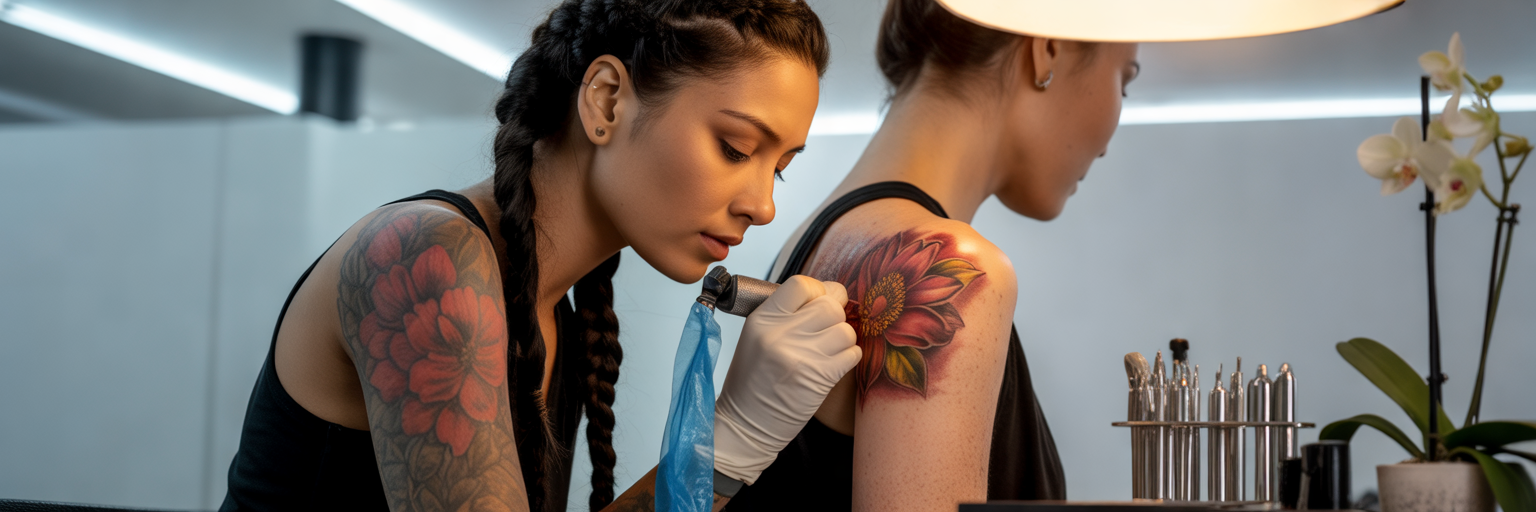
Historically, body art served as a permanent marker of social status and tribal rites of passage across Southeast Asia, yet modern preferences increasingly view skin as an evolving canvas that changes alongside personal growth. When an older tattoo no longer reflects who you are, reworking that piece with bespoke cover-up tattoos offers a constructive way to honor a major life transition.
Why Cover-Up Tattoos Mark Personal Growth in Singapore
Over the years, the perception of reworking older body art in Singapore has shifted away from simple camouflage toward a deeply therapeutic process of personal reinvention. Outgrowing a tattoo from a decade ago is a natural byproduct of evolving values, shifting priorities, and new chapters. Rather than viewing faded or outdated ink with quiet frustration every time you pass a mirror, collaborating with an artist allows you to reclaim that space with intention.
Many clients visit us when they reach a defining juncture in their lives and want their outward reflection to match their internal growth. Transforming an old motif into a symbol of parenthood, personal resilience, or recovery carries immense emotional resonance. We share a comprehensive approach to this storytelling process in our guide on personalizing milestone tattoos, which explores how life triumphs can be woven into bespoke visual narratives. Even a major professional pivot can inspire a rework. Much like how Coaching Vagabond outlines changing careers without starting from scratch by building upon your existing history, a thoughtful rework honors where you have been while reshaping the foundation into something aligned with your present identity.
Because these pieces carry deep personal significance, we always encourage patience and quiet reflection before committing to a new direction. Rushing into a secondary piece out of frustration with the old one rarely yields a timeless result. Taking the time to sit with your memories ensures the new artwork serves as a considered tribute rather than a reactive cover. Viewing your skin as a collaborative visual autobiography turns a past regret into a meaningful celebration of how far you have come.
Evaluating Existing Ink and Preparing the Skin
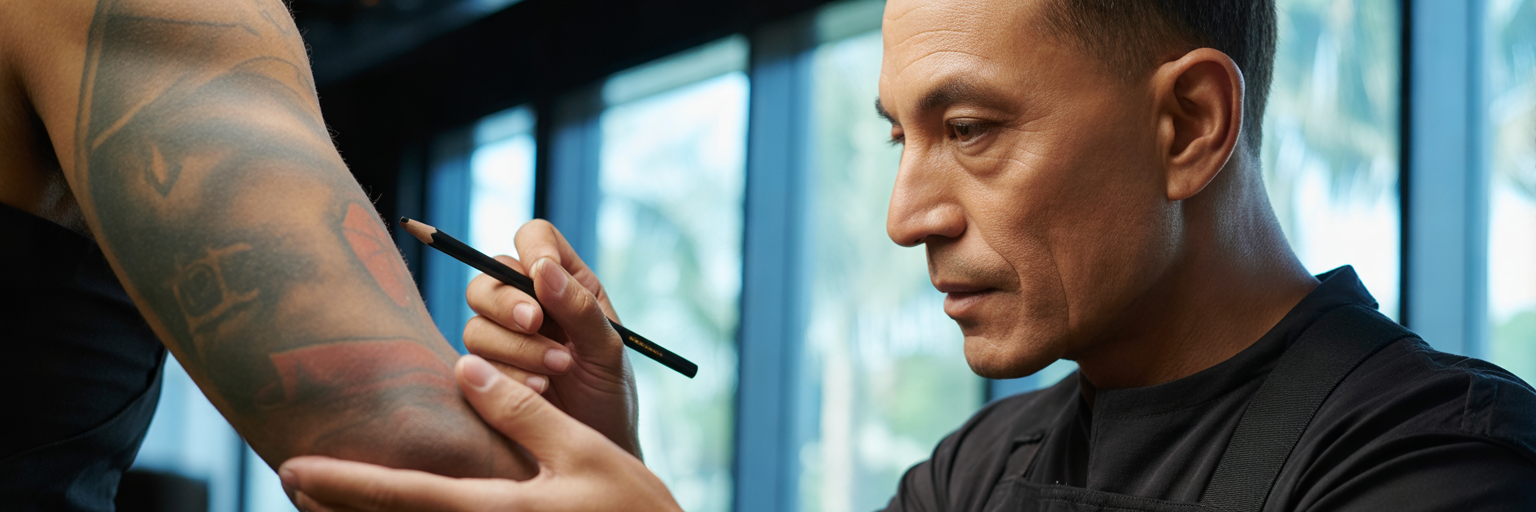
Translating that emotional readiness into a successful physical transformation begins with an honest look at the canvas itself. Working over previously tattooed skin requires a specialized anatomical understanding that goes far beyond standard application on untouched skin.
Assessing Pigment Depth and Tissue Health
During an initial physical evaluation, an experienced artist closely examines the ink density, pigment depth, and age of the existing piece. Older tattoos that have naturally faded over ten or fifteen years leave much more room in the dermis for fresh pigment compared to heavily saturated modern ink. We also check the skin texture with a gentle touch to identify any raised scarring or thickened tissue caused by heavy-handed needle trauma from the original session. If your older piece left behind uneven skin texture, you can read our dedicated resource on transforming scars into meaningful art to understand how we safely work around compromised tissue. Ensuring the dermis is healthy, hydrated, and calm is essential before introducing a single drop of new ink.
Integrating Laser Lightening for Creative Freedom
While many faded pieces can be reworked directly, clients in Singapore are increasingly embracing a hybrid preparation pathway. Completing a few targeted sessions of laser fading for cover-up preparation breaks down stubborn, dark ink particles so the body can naturally clear them away. As highlighted in Hype Singapore, using laser technology to lighten past regrets has become a popular step for locals seeking a clean slate without committing to full removal. Heavy blackwork or dense tribal bands place strict limitations on a new design if left untreated, often forcing the new piece to be equally dark and heavy. Lightening those dense zones just fifty percent opens up a wide spectrum of softer shades and delicate details.
| Existing Tattoo Condition | Direct Cover-Up Viability | Recommended Preparation | Artistic Style Flexibility |
|---|---|---|---|
| Faded Fine Line or Light Shading | High viability for immediate rework | Consistent skin hydration and barrier care | Wide open including watercolor, floral, and fusion |
| Aged Color Ink (Red, Green, Blue) | Moderate viability requiring color theory neutralization | Detailed pigment assessment and contrast mapping | Best suited for saturated realism, botanicals, or rich color blends |
| Dense Blackwork or Heavy Tribal | Limited viability without prior lightening | Two to four targeted laser fading sessions | Restricted to dark high-contrast motifs unless lightened first |
| Raised or Scarred Dermis | Requires specialized texture-masking placement | Dermatological rest and gentle tissue conditioning | Organic textures like feathers, petals, or flowing water to disguise elevation |
Conducting a thorough technical evaluation of your existing pigment and dermal health sets the stage for an uncompromised, lasting transformation.
Selecting Art Styles That Conceal and Commemorate
Once the physical canvas is assessed and prepared, the creative focus shifts toward visual mechanics and artistic direction. Concealing an older mark requires much more than simply placing a darker shape on top like a heavy stamp. True concealment relies on optical redirection, color theory, and organic flow to draw the eye toward new focal points while neutralizing the shadows beneath.
Strategic Contrast in Floral, Realism, and Fusion Art
Selecting the right visual language is where your personal milestone truly comes to life. Intricate botanical motifs, hyper-realism, fluid watercolor splashes, and cultural fusion styles offer incredible versatility for hiding stubborn geometry. You can explore how we approach dark pigment neutralization in our breakdown of the best styles for covering dark ink, or discover how blending traditional Asian brushwork with modern Western realism creates unique depth in our exploration of Eastern and Western fusion artistry. When crafting custom tattoo designs over existing work, we rely on several specialized visual techniques so the finished piece feels intentional and balanced:
- Shadow Absorption: Aligning the darkest structural lines of the old tattoo directly within the natural shadow valleys of new petals, drapery, or realistic portraits.
- Color Neutralization: Layering warm tones like rich magentas, ochres, and deep plums over cool, faded blue or green ink to neutralize muddy undertones without turning the skin black.
- Textural Distraction: Using intricate organic textures such as bird feathers, botanical veins, or rippling water to break up the rigid straight lines of an old script or geometric shape.
- High-Contrast Focal Points: Placing bright highlights and crisp details slightly away from the covered zone to naturally pull the viewer's gaze toward the fresh narrative elements.
Partnering With an Experienced Studio in Singapore
Executing these layered techniques requires an intimate grasp of how fresh pigments interact with settled ink beneath the skin. At our Memory Lane Tattoo Studio, artistic director Apple Qu brings over twenty years of dedicated experience to every collaborative project. As a bespoke tattoo artist Singapore residents, international visitors, and dignitaries trust with their most personal stories, Apple works closely with each individual to translate complex life milestones into flattering artwork. Choosing an established tattoo studio in Singapore ensures that strategic shadow placement and tailored artistry work in harmony to disguise the past while celebrating your new chapter.
What to Expect During Collaborative Design Consultations
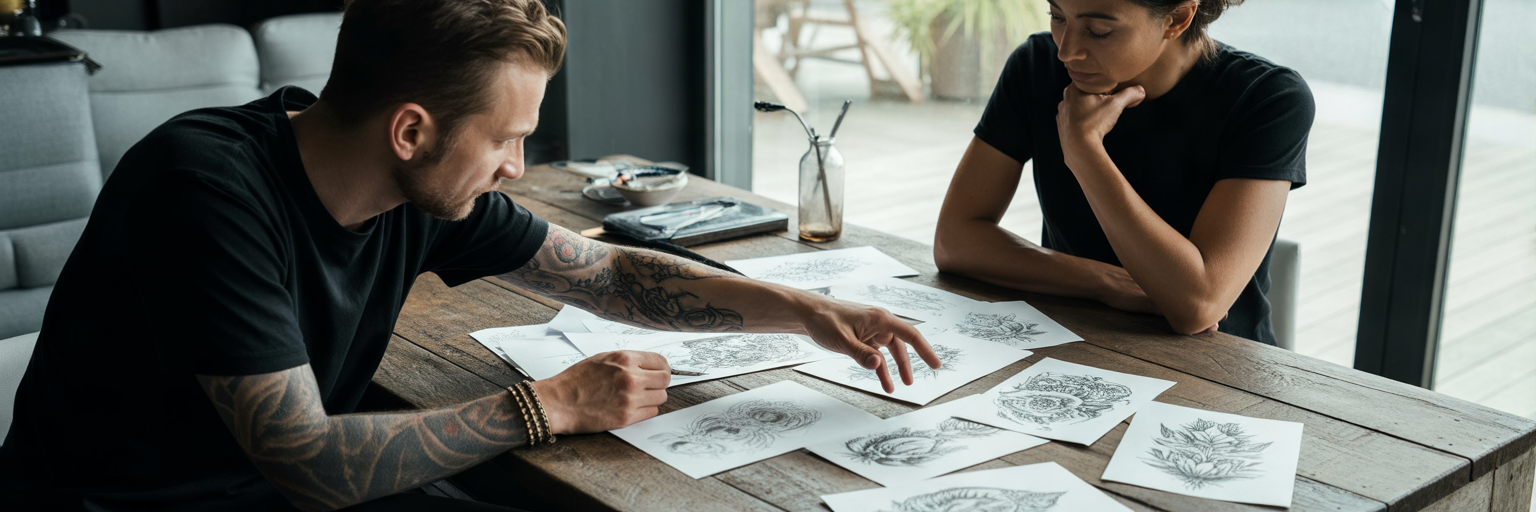
Turning these artistic concepts into a personalized stencil happens through an open, unhurried studio conversation. We view the consultation as a creative partnership where your memories and emotional anchors meet our anatomical and technical planning. To feel completely confident before stepping into the studio, you can review our consultation preparation guide for a full overview of what to bring along.
During our time together, we walk through five structured steps to translate an abstract milestone into a wearable layout:
- Curating Visual References: Bring along photography, fine art prints, or personal keepsakes that capture the mood of your milestone rather than just screenshots of other tattoos.
- Defining the Emotional Anchor: Share the core story behind your life transition so we can distill those feelings into meaningful symbolic motifs that will still resonate decades from now.
- Understanding Scale and Flow: Discuss why a cover-up stencil naturally needs to be two to three times larger than the original piece to create breathable negative space and redirect the eye away from the dense coverage zone.
- Mapping Session Timelines: Establish a realistic schedule regarding the estimated number of sittings and the mandatory healing intervals required between layering background shadows and fine foreground highlights.
- Selecting Pigment Formulations: Confirm the use of high-density, skin-safe pigments tailored to your specific complexion and dermal sensitivity for rich opacity without overworking the tissue.
Once the direction is clear, we build the stencil directly on your body while you stand in a natural posture. Adjusting the flow around your muscle contours together ensures the artwork moves gracefully with your frame. Open communication and mutual trust during this planning phase align every expectation and guarantee a deeply personal studio experience.
Aftercare Practices for Long-Term Ink Vibrancy in Tropical Weather
That collaborative partnership continues well after the final needle is set down, shifting into your daily healing routine at home. Healing a reworked piece demands extra mindfulness compared to a tattoo on untouched skin. Because saturating high-density pigments over previously tattooed tissue requires thorough layering, your dermis expends significantly more energy repairing the barrier and settling the dense ink.
Navigating recovery in Southeast Asia's equatorial climate brings unique environmental considerations. Constant heat, high humidity, and strong ultraviolet rays can challenge fresh skin if left unmanaged. We detail year-round preservation habits in our guide to maintaining tattoo vibrancy in the tropics, and we recommend following these essential tattoo aftercare Singapore strategies during the initial weeks and beyond:
- Choose Breathable Fabrics: Wear loose, soft cotton or linen clothing over the healing area to prevent trapped sweat and friction irritation when walking outdoors in high humidity.
- Cleanse Gently After Commuting: Wash the tattoo softly with cool water and a mild, fragrance-free cleanser immediately after returning from warm outdoor commutes to remove perspiration and urban dust.
- Balance Indoor Moisture: Apply a very thin, breathable layer of specialized aftercare balm to stop the skin from cracking in dry air-conditioned offices without suffocating the pores.
- Commit to Daily UV Protection: Once the skin has fully healed, apply broad-spectrum sunscreen every morning. Equatorial sunlight rapidly breaks down fresh upper pigment layers, which can cause the old tattoo shadow underneath to peek through over time.
Complex, multi-layered pieces often take up to three months to fully settle into their final tonal depth as the lower dermal layers reorganize. We always welcome clients back for a complimentary check once the skin has matured to assess whether a minor touch-up can sharpen any subtle highlights. Dedicating consistent care to your skin in our tropical weather preserves both the structural clarity and the emotional value of your commemorative artwork for a lifetime.