
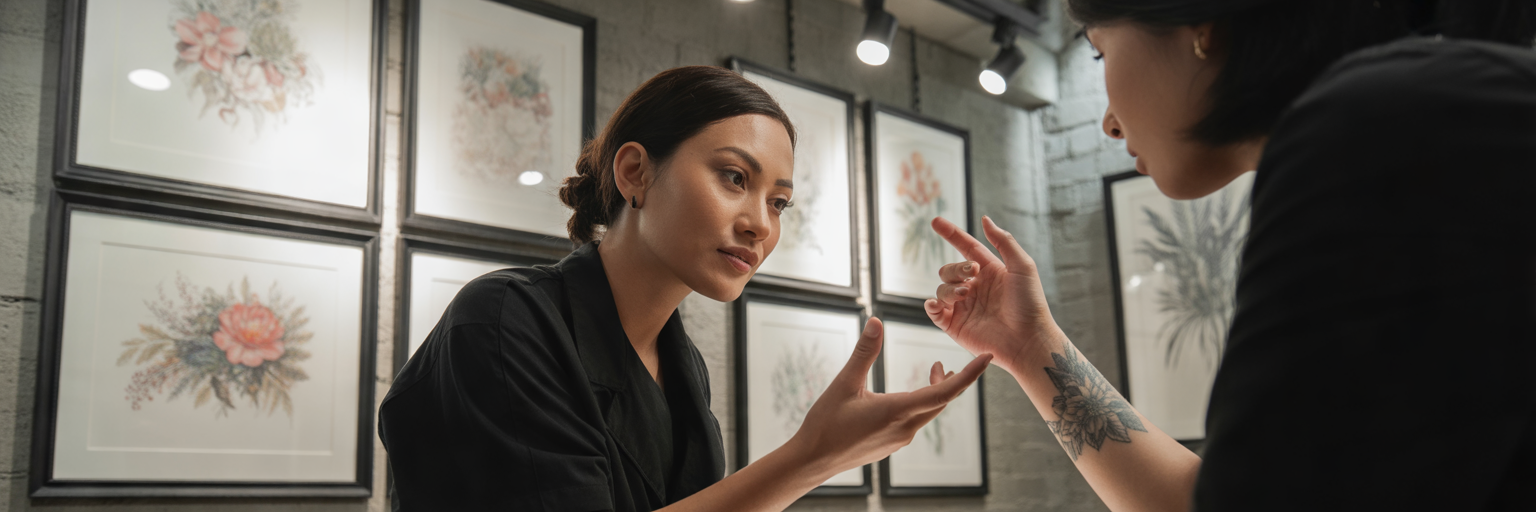
Tattoo ink does not operate like opaque house paint where a fresh coat simply erases what lies beneath. Instead, pigments mix beneath the dermis much like layers of watercolor on stained paper. Understanding this biological reality is the essential first step before booking your tattoo cover-up consultation.
Understanding the Tattoo Cover-Up Consultation Process in Singapore
Planning a cover-up tattoo Singapore project requires a completely different mindset and technical approach than starting on bare skin. When an artist works over untouched skin, they have total freedom with light and shadow. Over existing ink, the pigment sitting inside your dermis acts as a permanent filter that dictates what is technically achievable regarding color theory and light to dark layering. You cannot simply place pale yellow over dark black and expect it to shine through.
Because of this biological dynamic, the process relies on a deeply collaborative partnership between you and your artist. Your personal stories and aesthetic goals must harmonize with the technical realities of pigment neutralization. Before booking your appointment, spend time vetting an artist's specialized portfolio. Look specifically for healed examples of hiding old tattoos rather than relying solely on fresh, heavily saturated studio photos, as we explain in our educational resource on transforming faded pieces into realistic art. At Memory Lane Tattoo Studio, artistic director Apple Qu draws on over 20 years of experience to guide clients through these intricate corrective planning stages, ensuring your past ink transitions seamlessly into meaningful artwork.
Assessing Your Existing Ink and Skin Condition
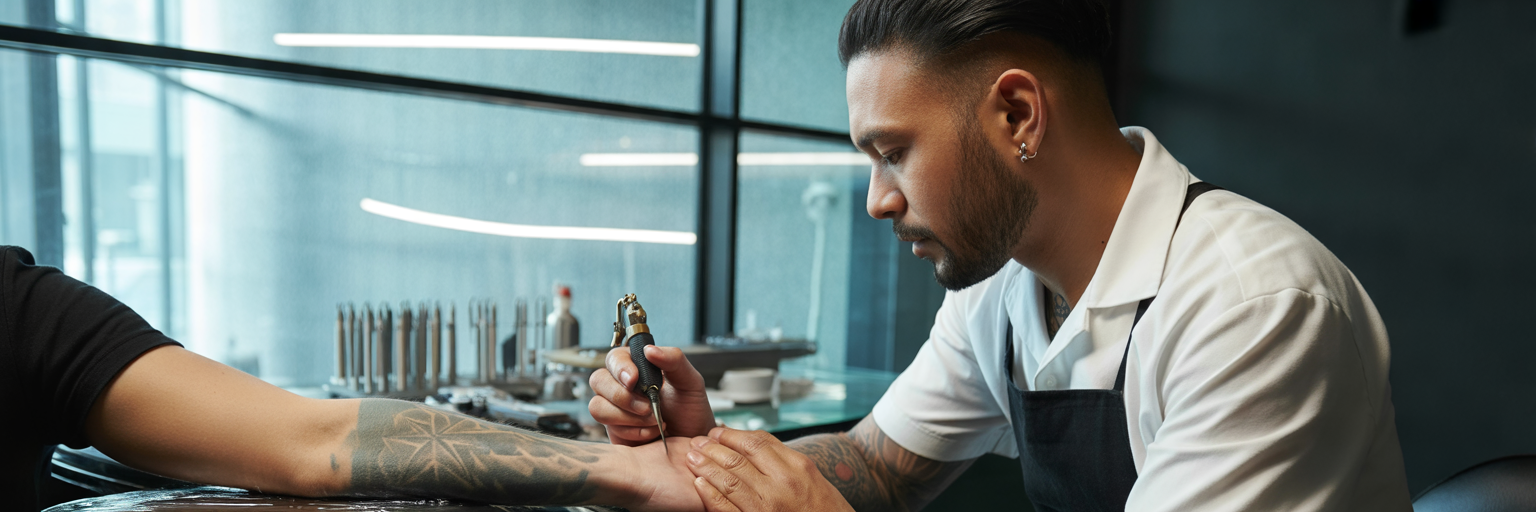
Once you understand how pigments interact beneath the skin, the focus shifts to evaluating your unique physical canvas. Every existing tattoo carries its own history, and treating your skin assessment with care ensures we build the safest, most flattering foundation for your redesign.
Documenting Your Tattoo for Preliminary Review
Before stepping into the studio, sending clear visuals helps your artist conduct an accurate preliminary review. Take sharp, unedited photographs of your current piece in natural daylight, standing near a window without direct sun glare or camera flash. Avoid applying heavy lotions beforehand so the skin does not reflect light. Capturing both a close-up shot and a wider angle showing the surrounding body part allows us to preliminarily assess ink density, saturation, and fade levels within your natural anatomical proportions.
Evaluating Scar Tissue and Laser Lightening Options
During your in-person assessment, we look closely at physical characteristics that a photograph cannot fully capture. We examine the age of the tattoo, the depth of the original linework, and whether heavy-handed application left raised scar tissue behind. When working over textured areas, choosing the right aesthetic approach is vital, which is why we created our guide on covering scarred skin gently to explain how organic shading masks uneven reliefs. For heavily saturated blackwork or dense tribal pieces, we may discuss completing a few laser lightening sessions first, whereas faded ink often allows an experienced artist to work directly over the area. Ultimately, an honest evaluation sets realistic expectations for your bespoke artwork.
| Existing Tattoo State | Primary Technical Challenge | Recommended Preparation Path | Viable Replacement Styles |
|---|---|---|---|
| Faded Grey Wash or Old Fine Line | Low pigment barrier with minor structural trace | Direct cover-up without prior laser intervention | Watercolor, botanical florals, soft realism, fusion designs |
| Dense Blackwork or Heavy Tribal | High carbon saturation prevents light pigment overlay | Two to four laser lightening sessions before redesign | Heavy hyper-realism, dark ornamental, saturated color work |
| Raised Linework with Scarring | Uneven skin texture reflects light and alters needle depth | In-person texture evaluation to map organic shading around ridges | Textured realism, layered Eastern and Western fusion motifs |
Curating Reference Images and Staying Flexible with Design
With a clear picture of what your skin can support, we can begin the visual planning stage. To help us capture your personal aesthetic, bring between three and ten meaningful reference images to your appointment. Rather than expecting an exact replica of another person's tattoo, use these visuals to communicate your preferred line weights, shading styles, and thematic moods.
How Size and Scale Create Visual Misdirection
The structural mechanics of a successful custom tattoo design for a cover-up rely heavily on visual misdirection rather than simple concealment. In practice, your new piece typically needs to be two to three times larger than the original tattoo. Expanding the footprint allows us to incorporate fresh negative space, establish a flattering anatomical flow, and draw the viewer's eye toward bright, detailed focal points away from the darker camouflaged zones beneath.
Choosing Artistic Styles That Conceal Effectively
Not every artistic style holds the structural density required to mask older pigment. As highlighted in Sortra's 2026 technical breakdown on covering fine line tattoos, delicate single-needle and minimalist work leaves too much open skin to hide dark ink effectively. By contrast, styles rich in texture and tonal transition offer remarkable concealing power. At Memory Lane Tattoo Studio, we often utilize hyper-realism, organic florals, fluid watercolor transitions, or the layered aesthetics detailed in our article on Eastern and Western fusion artistry to redirect visual attention naturally.
When gathering your reference images, look for these specific visual elements that aid in camouflage:
- Organic textures such as intricate bird feathers, layered flower petals, or rippled water
- High-contrast shading gradients that transition smoothly from deep black to soft grey tones
- Dynamic directional flow that follows the natural musculature of your limb or torso
- Rich cool-toned color palettes including deep indigos, emerald greens, and plums that neutralize old carbon ink
Staying open to your artist's bespoke composition recommendations ensures your final piece looks like an intentional work of art rather than a heavy patch.
Essential Logistics and Questions for Your Artist
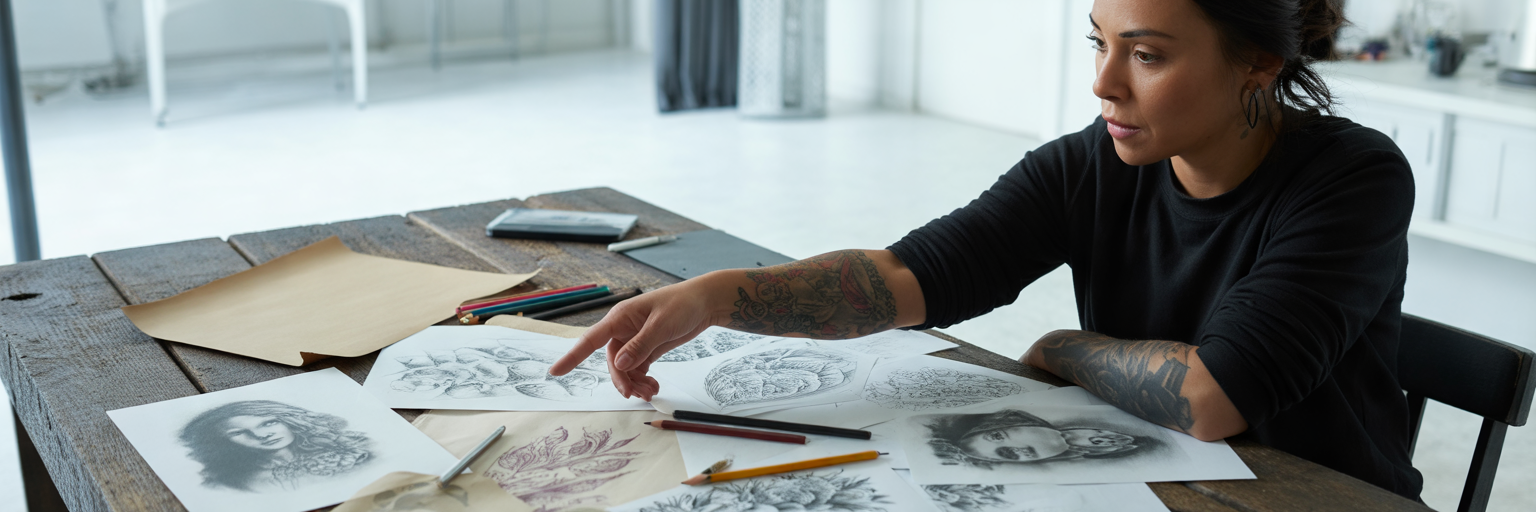
Translating those creative references into a smooth studio experience requires a bit of practical preparation before your meeting. During the consultation, we will have transparent discussions regarding your budget planning and scheduling availability, especially if your cover-up requires multiple sessions to build depth safely. For your well-being, always disclose relevant medical history, medications, or skin sensitivities upfront. If you have experienced dermal irritation in the past, reviewing our guide on preventing allergic reactions to tattoo pigment beforehand will help you discuss ink formulations confidently.
Additionally, every reputable bespoke tattoo studio Singapore residents and international visitors trust operates under strict local compliance guidelines. As noted in Sortra's 2026 tattoo consultation checklist, you should arrive with your organized reference materials and a valid government-issued photo ID such as your NRIC, FIN, or passport for mandatory age and identity verification.
To help you feel completely informed before committing to a multi-session treatment plan, Sortra's guide on essential cover-up consultation questions recommends maintaining an open technical dialogue with your artist. Consider asking these five key questions during your appointment:
- How many sessions do you estimate this cover-up will require, and what are the recommended healing intervals between sittings?
- How will the new pigments settle and interact with the underlying old ink after a full year of healing?
- Do you anticipate needing a dedicated touch-up session to refine high-density areas once the initial layer settles?
- Which needle groupings and pigment formulations do you recommend to ensure safety for my specific skin sensitivity?
- How does the aftercare protocol differ when caring for previously tattooed, reworked dermis?
Handling these administrative and technical details upfront clears the way for your actual appointment to remain focused entirely on pure artistry.
Preparing Your Skin Before the Appointment
With your design plan and logistics settled, the final step is nurturing your skin and mindset in the weeks leading up to your consultation and first tattooing session. Healthy, supple dermis accepts pigment far more evenly than dehydrated skin. Focus on drinking plenty of water daily, applying a gentle fragrance-free moisturizer, and wearing high-SPF protection against Singapore's strong tropical UV rays, a habit we explore further in our article on maintaining tattoo vibrancy in the tropics. While some clients explore broader skin conditioning routines like those outlined in Personal Recovery Lab's analysis of red light therapy for barrier recovery, your primary focus should always remain on following your tattoo artist's specific pre-treatment guidance.
Equally important is avoiding pre-appointment mistakes that compromise your skin barrier or distort how we assess your natural undertone. Refrain from applying self-tanners, performing aggressive chemical exfoliation, or arriving with a fresh sunburn, as inflamed skin cannot be safely tattooed. Beyond physical care, embrace the emotional readiness of transforming an unwanted piece. Viewing this collaborative journey as turning a past chapter into timeless, personalized art makes the experience deeply rewarding. Whenever you are ready to reimagine your ink with Apple Qu and our dedicated team, we invite you to connect with us at Memory Lane Tattoo Studio to schedule your consultation.