

Research published via the National Center for Biotechnology Information reveals that roughly 43 percent of tattoo skin complications stem from allergic contact dermatitis, often triggered by topical ointments rather than the pigment itself. In Singapore, where relative humidity regularly exceeds 80 percent, preventing allergic reactions to tattoo ink requires understanding how tropical heat interacts with healing skin.
Understanding Allergic Reactions to Tattoo Ink in Tropical Humidity
Stepping out of an air-conditioned studio into the warm air of Orchard Road or Chinatown immediately tests fresh body art. Year-round equatorial weather challenges the recovering epidermal barrier by trapping sweat and atmospheric heat against the skin. This microclimate increases sensitivity to both injected pigments and heavy topical products, making it vital to follow the climatic strategies outlined in our guide on maintaining tattoo vibrancy in the tropics. When we collaborate on a custom piece, protecting the artwork starts with distinguishing normal recovery from true irritation. During the first 48 hours, mild redness, localized warmth, and slight swelling are expected inflammatory healing responses. Genuine allergic reactions to tattoo ink or aftercare vehicles present differently, typically causing persistent itching, tiny blisters, or raised textures that outlast initial recovery.
Early-Onset Contact Dermatitis vs. Late-Onset Ink Hypersensitivity
Pinpointing what your skin is reacting to depends heavily on the timeline. Early-onset contact dermatitis typically surfaces within a few days of your appointment. Rather than the pigment inside the dermis, the culprit is almost always an external irritant sitting on the compromised skin surface, such as studio disinfectants, adhesive wraps, or scented lotions trapped by humidity. Conversely, late-onset ink hypersensitivity can appear months or even years after the skin has completely healed. This delayed immune response happens as pigment particles slowly break down inside the dermis and trigger localized tissue sensitivity. Recognizing the exact timeline and root cause of skin irritation forms the foundation for protecting bespoke body art in an equatorial climate.
High-Risk Pigments and Ink Composition Factors
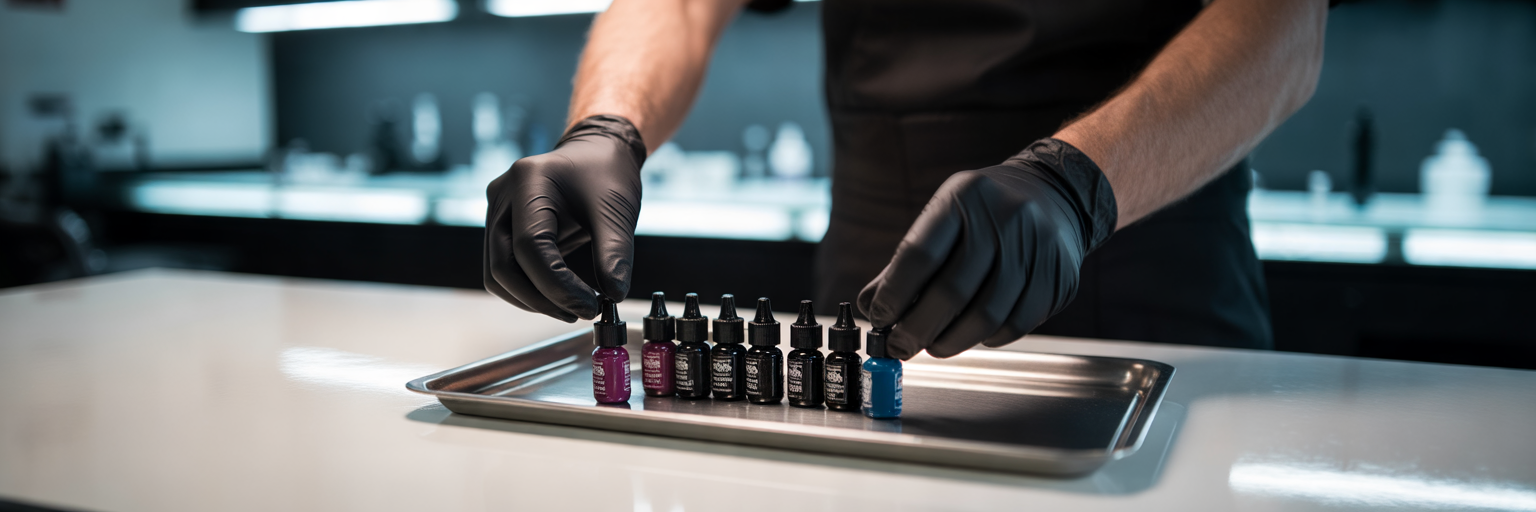
Beyond surface-level skin sensitivity, the chemical architecture of the pigment itself plays a central role in how your body accepts new art. Achieving lasting visual harmony means pairing your creative vision with biocompatible materials that suit your unique physiology.
Why Red Pigments and UV Exposure Trigger Reactions
Certain hues carry a noticeably higher risk of provoking an immune response. A red tattoo ink allergy remains the most frequent trigger for chronic or delayed dermal hypersensitivity. While historical reactions were linked to inorganic metallic compounds like mercury sulfide, modern sensitivities are predominantly driven by organic azo dyes used to create vibrant crimson and magenta tones. Furthermore, Singapore’s intense equatorial sunlight directly affects how these chemical structures behave beneath the skin. Strong ultraviolet exposure accelerates the photodegradation of bright pigments like yellows and reds, cleaving the dye molecules and releasing chemical by-products inside the dermis that trigger localized itching or swelling. When planning vibrant, sun-exposed pieces, reviewing the insights in our article on choosing the right watercolor tattoo for your skin helps align bright colour palettes with your skin's natural reactivity.
The Reality of Ink Regulation and Pre-Tattoo Patch Testing
Because global tattoo ink regulations remain largely unstandardized, partnering with an established studio that strictly sources high-grade, sterile, and reputable pigments is essential for client safety. Clients with sensitive skin frequently ask if they should request an epidermal test drop prior to their session. However, clinical guidelines from the European Academy of Dermatology and Venereology explain that specialists generally do not recommend prospective patch testing for tattoo inks. Applying liquid pigment onto the surface epidermis cannot reliably predict how your immune system will interact with ink sitting deep within the dermis months later, especially as the pigment ages. Selecting safe, reputable ink formulations and discussing colour chemistry openly with an experienced artist significantly lowers the risk of pigment rejection.
Tattoo Pigment Composition and Reactivity Profile in Tropical Climates
| Pigment Color | Common Chemical Components | Relative Allergy Risk | Tropical UV Sensitivity |
|---|---|---|---|
| Red | Organic azo dyes, historically mercury sulfide | High (frequent cause of delayed dermal hypersensitivity) | High risk of photodegradation and swelling under strong sun |
| Yellow | Cadmium sulfide or organic monoazo pigments | Moderate to High (often linked to photo-induced reactions) | Very high sensitivity to equatorial UV light |
| Blue and Green | Copper phthalocyanine, chromium oxide | Low to Moderate (chromium compounds can trigger metal allergies) | Moderate stability when shielded from direct sunlight |
| Black | Carbon black, iron oxides | Very Low (pure carbon is biologically inert for most skin types) | Low reactivity, though absorbs heat in direct tropical sun |
This data reflects dermatological findings from the European Academy of Dermatology and Venereology on pigment chemical compositions and photo-reactivity, helping clients in sunny climates make informed color choices alongside their tattoo artist.
Collaborating With Your Artist on Pre-Session Skin Readiness
Understanding pigment chemistry allows you and your artist to make thoughtful adjustments before the needle ever touches your skin. An open, detailed consultation is especially important if you manage chronic conditions like eczema or psoriasis, or carry known metal sensitivities such as a nickel allergy. Clinical guidance from University of Utah Health notes that pre-existing inflammatory skin conditions require careful timing and placement to avoid triggering flare-ups along the path of the needle. At Memory Lane Tattoo Studio, where artistic director Apple Qu brings over 20 years of experience, every bespoke consultation balances aesthetic ambition with your skin's medical history so we can adapt your vision safely.
Tailoring Styles and Cover-Ups for Sensitive Skin
Personalized artistry means modifying technique and density to respect reactive skin. If you have a history of sensitivity to heavy colour packing, we often recommend transitioning toward fine-line black and grey work or airy compositions that require far less dermal saturation, an approach we explore in our guide on how to design a minimalist tattoo with deep meaning. Strategic placement on calmer, less sun-exposed areas of the body also minimizes environmental triggers. Special technical consideration is vital when executing cover-up tattoos or concealing existing scars. Layering fresh pigment over old ink, fibrotic tissue, or previously reactive skin demands refined needle depth and pacing to avoid overworking the dermis, which is why we detail specific low-trauma techniques in our resource on the best tattoo styles for covering up scars gently.
To ensure your skin barrier arrives at the studio calm and resilient, follow these four preparation steps during the week before your appointment in Singapore:
- Protect the target area from tropical sunburn: Keep the skin shielded from strong equatorial UV rays, as sunburned or peeling tissue cannot be safely tattooed.
- Prioritize systemic hydration: Drink plenty of water daily to counteract fluid loss from Singapore's heat and keep your dermis supple.
- Pause harsh active skincare: Discontinue chemical exfoliants, alpha hydroxy acids, and retinoids on the placement area at least seven days prior to prevent epidermal thinning.
- Maintain an intact skin barrier: Avoid shaving irritation, abrasive scrubs, or insect bites on the site so the tissue remains completely calm on session day.
Transparent communication during the design phase ensures your custom tattoo honours both your personal story and your skin's biology.
Humidity-Smart Aftercare to Prevent Contact Dermatitis
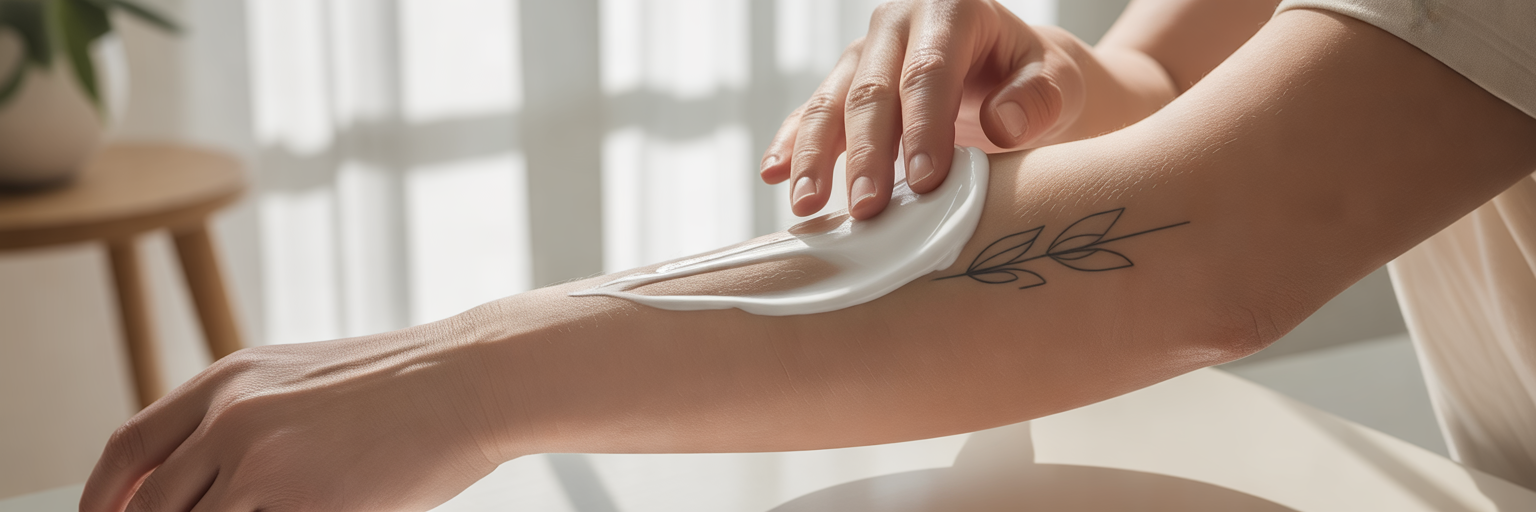
Once your session concludes and the bespoke design is in place, our collaborative focus shifts toward guiding your skin through a smooth recovery in the heat. Mastering tattoo aftercare in Singapore requires balancing lightweight barrier protection with maximum breathability so sweat and ambient moisture never become trapped against the healing dermis.
Step-by-Step Tropical Washing and Air-Drying Protocol
Trapping ambient humidity under ointments creates a warm, damp environment that softens scabs prematurely and invites bacterial proliferation on open skin. Interestingly, natural science shows that certain organisms in warm environments have developed physical defences against damp microbes, such as the bird feathers that kill bacteria on contact through microscopic structural patterns. Human healing skin lacks that built-in structural defence, relying strictly on disciplined hygiene and dry, breathable care to stay healthy. Follow this four-step routine two to three times daily:
- Cleanse gently with lukewarm water: Wash your hands thoroughly before lightly massaging the tattoo with a mild, fragrance-free liquid cleanser to remove plasma and sweat without stripping the skin.
- Blot with a disposable paper towel: Pat the area dry using a fresh kitchen paper towel rather than a reusable bathroom cloth, which easily harbours moisture-loving bacteria in humid flats.
- Air-dry in a cool room for 5 to 10 minutes: Allow the freshly patted skin to sit uncovered in an air-conditioned or well-ventilated room so residual atmospheric dampness evaporates completely.
- Apply a whisper-thin layer of breathable cream: Gently massage a tiny amount of lightweight moisturizer into the dry skin until no shiny surface film remains.
Selecting Breathable Moisturizers and Daily Lifestyle Adjustments
Choosing the right topical product prevents the most common skin reactions we see in equatorial climates. As dermatological overviews in Medical News Today confirm, heavy occlusive bases and synthetic fragrances frequently trigger irritant and allergic contact dermatitis on compromised skin. Avoid 100 percent petroleum-based ointments and scented body lotions in Singapore, as they seal pores shut, trap perspiration, and provoke itchy red heat rashes. The best lotion for new tattoo recovery in the tropics is a breathable, fragrance-free, non-comedogenic barrier cream such as Bepanthen or CeraVe daily moisturizing lotion.
Pair your topical routine with practical daily habits during the first two weeks of commuting. Wear loose, breathable cotton garments that will not rub against the healing site, a factor worth considering early on alongside our strategic guide to tattoo placement. Move promptly into air-conditioned spaces after walking outdoors to cool the skin down, and strictly avoid swimming pools, beaches, and heavy gym workouts until the surface finishes peeling. Adopting a minimalist, breathable aftercare routine keeps pores clear and prevents moisture-induced dermatitis.
Recognizing Red Flags and Seeking Medical Care
Even with diligent tropical aftercare, staying observant during the weeks and months following your session ensures any unusual skin response is managed early. Knowing which tattoo ink allergy symptoms require professional evaluation helps you take calm, decisive action:
- Persistent, intense itching: Deep pruritus that continues or worsens well beyond the standard two-week flaking phase.
- Raised plaques confined to one hue: Bumpy, thickened induration that strictly traces a single colour boundary, most commonly within red or yellow ink zones.
- Stubborn scaly patches: Dry, localized peeling or textural roughness that does not soften with fragrance-free moisturizing.
- Delayed localized swelling: Puffiness or subtle nodules that emerge weeks or months after the surface epidermis has completely healed.
Distinguishing between a chronic immune response to pigment and an acute bacterial infection is critical for proper treatment. Patient care guidance from Singapore General Hospital highlights that while pigment allergies and localized granulomas develop as non-infectious inflammatory nodules over time, acute bacterial infections present early with rapidly spreading redness, throbbing heat, yellow purulent discharge, and systemic fever.
Distinguishing Healing Stages, Allergic Reactions, and Infections
| Clinical Feature | Normal Early Healing | Allergic or Granulomatous Reaction | Acute Bacterial Infection |
|---|---|---|---|
| Typical Onset | First 24 to 72 hours post-session | Days (contact dermatitis) to months or years (ink allergy) | Typically 2 to 7 days post-session |
| Primary Symptoms | Mild warmth, slight swelling, light clear plasma weeping | Intense itching, raised plaques often confined to one color, scaling | Spreading erythema, throbbing pain, yellow pus, systemic fever |
| Recommended Action | Continue breathable hygiene protocol and air-drying | Switch to fragrance-free care; consult a dermatologist for steroids | Seek immediate medical evaluation for prescription antibiotics |
Clinical benchmarks are adapted from Singapore General Hospital patient education guidelines to help tattoo clients differentiate between routine epidermal recovery, immune hypersensitivity, and secondary bacterial infections.
If you notice mild surface irritation from humidity or need help adjusting your moisturizing routine, reach out directly to our artists at Memory Lane Tattoo Studio for personalized aftercare guidance. However, if you develop persistent plaques, severe contact dermatitis, or signs of infection, consult a registered dermatologist in Singapore promptly for targeted medical care such as prescription topical corticosteroids or antibiotics. Never self-treat a fresh tattoo during the open-wound phase with over-the-counter hydrocortisone creams or harsh home remedies, as unguided steroid use on broken skin delays epidermal closure and distorts your ink. Prompt professional care protects both your long-term skin health and the clarity of your custom artwork.