
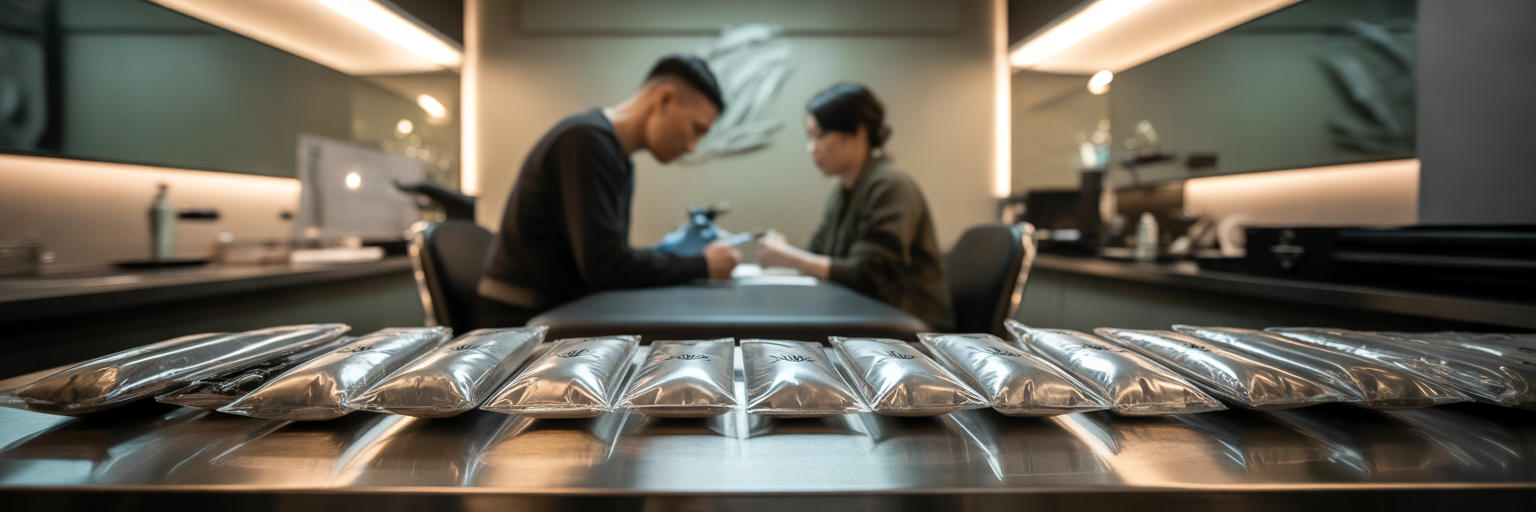
Archaeological discoveries of preserved skin from ancient cultures show that humanity has spent millennia perfecting the art of permanent body ink, yet modern clinical sterilization only became standard practice in recent decades. For anyone planning a first time tattoo Singapore offers exceptional artistic talent, provided you know how to evaluate clinical safety alongside creative skill. Selecting the safest tattoo studio in Singapore ensures your personal milestone is celebrated with both collaborative artistry and uncompromising medical care.
Why Finding the Safest Tattoo Studio in Singapore Requires Client Diligence
Stepping into a studio to commemorate a life chapter is an intimate experience that blends vulnerability with creative excitement. Yet many newcomers assume that every commercial space operating in the city undergoes routine clinical inspections by health authorities. While local tattoo establishments must abide by general public health expectations, the Body Art Quality Alliance (BAQA) guidelines for Singapore highlight that there is currently no dedicated government licensing register or official national certification specifically for body art practitioners.
Because of this regulatory structure, the responsibility of verification rests directly on you as the client. Taking time to educate yourself becomes essential when searching for the safest tattoo studio in Singapore for your inaugural piece. Informal or home-based practitioners frequently lack formal training in bloodborne pathogen control and cross-contamination prevention, putting your health at unnecessary risk.
Reputable establishments view clinical safety and bespoke artistry as completely inseparable. A dedicated team that cares deeply about translating your personal story into timeless art will care equally about protecting your physical well-being from the very first conversation.
Clinical Hygiene Benchmarks and Sterilization Protocols to Verify
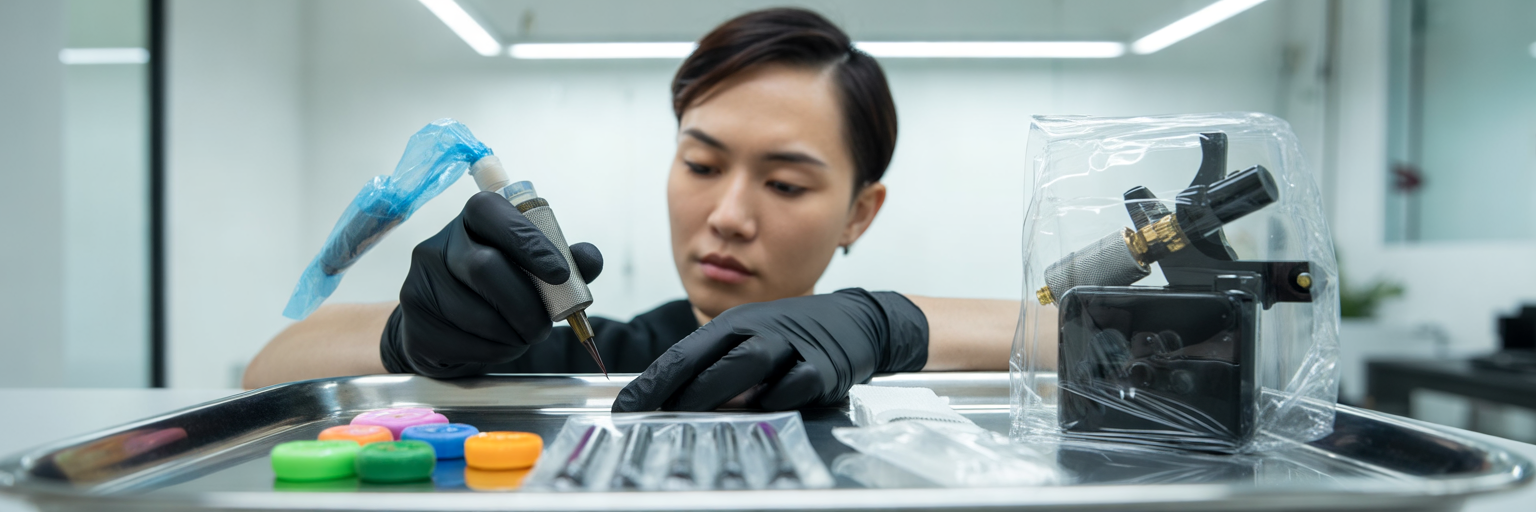
Understanding why personal diligence matters sets the foundation, and knowing exactly which physical equipment to inspect inside the treatment room gives you practical confidence. True peace of mind comes from seeing verifiable infection control measures in action before a single drop of ink touches your skin.
Single-Use Needles and the Blood Donation Benchmark
Every session must begin with sterile, single-use disposable needles that the artist opens from sealed blister packs right in front of you immediately before tattooing. As detailed in our educational article on single-use needles, watching that paper seal break guarantees the instrument has never touched another person. Furthermore, a comprehensive overview by the Sepsis Alliance on tattoos and body piercings notes that unsterile equipment can introduce dangerous bacterial infections or bloodborne pathogens directly into the dermis.
A practical litmus test for evaluating tattoo hygiene standards Singapore clients can rely on is the local blood donation benchmark. Health authorities in Singapore permit immediate blood donation if your tattoo was performed at an establishment using verifiable sterile, single-use needles, whereas unverifiable equipment triggers a mandatory three-month deferral.
Medical-Grade Autoclaves and Workspace Barrier Controls
While needles are always disposed of after one use, any non-disposable metal equipment such as heavy grips or body piercing tools requires rigorous reprocessing in a medical-grade steam autoclave. You should feel comfortable asking how a studio monitors its sterilization cycles, a process we break down in our guide on autoclave sterilization. While recent biological research highlights animals that can smell disease before symptoms start, microscopic pathogens and early-stage infections remain completely invisible to the human eye, making chemical indicator strips far more reliable than surface cleanliness alone.
Beyond sterilization machines, observe the workspace barrier controls around the station. Look for single-use plastic ink caps, fresh protective barrier films covering the tattoo machine, clip cords, and power supplies, alongside clearly labeled yellow biohazard sharps containers. Established local spaces like Memory Lane Tattoo Studio uphold these exact clinical benchmarks alongside personalized artistry so you can relax and enjoy the creative process.
| Equipment Category | Clinical Standard Required | Client Verification Method | Risk if Compromised |
|---|---|---|---|
| Tattoo Needles and Tubes | 100% single-use, pre-sterilized disposable blister packs | Watch artist break the sterile paper seal in your presence | Bloodborne pathogen transmission and three-month blood donation deferral |
| Non-Disposable Metal Tools | Medical-grade steam autoclave sterilization with spore testing | Ask to see chemical indicator strips on sterilization pouches | Cross-contamination of bacterial or viral agents between clients |
| Tattoo Machine and Power Cords | Wrapped in single-use plastic barrier film and clip cord sleeves | Visually confirm fresh plastic wrapping before the session starts | Surface transfer of microscopic blood droplets via airborne aerosols |
| Tattoo Inks and Pigments | Dispensed into disposable, single-use plastic ink caps | Ensure ink is poured prior to start and caps are discarded after | Contamination of master ink bottles from dipping used needles |
| Used Sharps Waste | Immediate disposal into regulated yellow biohazard sharps bins | Locate the labeled biohazard container near the artist workstation | Accidental needle-stick injuries and improper clinical waste handling |
What to Observe During Your Pre-Appointment Studio Consultation
While clinical hardware forms the backbone of physical safety, the human habits and daily workflows you witness during an in-person consultation reveal the true culture of a studio. Treat your initial visit not only as a collaborative brainstorming session for your custom piece, but as a live visual inspection of how the team operates every day.
- Thorough handwashing before workstation setup: Watch whether practitioners wash their hands with antibacterial soap prior to preparing trays or handling clinical supplies.
- Strict nitrile glove protocols: Artists must put on fresh nitrile gloves before touching equipment and immediately change into a new pair if interrupted to touch a phone, door handle, or computer.
- Hospital-grade surface disinfection: Client chairs, armrests, and stainless steel trays should be wiped down thoroughly between appointments using medical-grade virucidal disinfectants.
- Bright lighting and clean ventilation: The studio environment should feature strong task lighting for precise linework and clean airflow free from dust, food, or pet dander.
- Comprehensive administrative paperwork: Professional coordinators will present thorough medical history disclosures, informed consent forms, and written aftercare guidelines that support material traceability.
Once these behavioral checks put your mind at ease, you can focus entirely on the collaborative heart of the consultation. A dedicated artist listens attentively to the personal milestone behind your concept while transparently answering questions about pain management, skin sensitivity, or pigment composition. For clients with delicate skin, reviewing our resource on preventing allergic reactions to tattoo ink ahead of time helps guide a thoughtful, unhurried conversation where you never feel dismissed.
Evaluating Artist Portfolios for Technical Skill and Healed Results
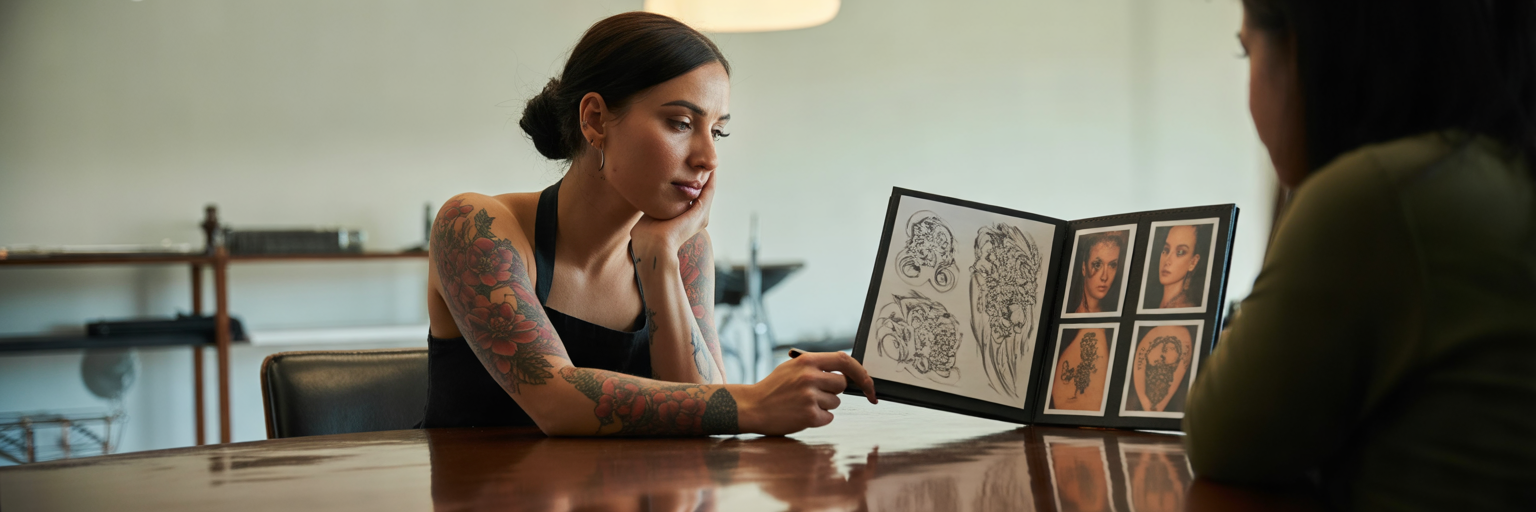
That open communication during your consultation naturally leads to evaluating the creative hand that will bring your vision to life. Artistic technique and skin health are deeply connected, as precise needle depth determines both the visual clarity of your artwork and how smoothly your dermis recovers.
Why Healed Photos Matter More Than Fresh Ink
Learning how to choose tattoo artist portfolios wisely protects you from avoidable skin trauma. An inexperienced practitioner who overworks the skin or injects pigment too deeply into the dermis can cause ink blowouts, raised scarring, and prolonged healing complications. Rather than browsing a general studio social media feed, inspect the specific artist's individual portfolio and prioritize photographs of fully healed tattoos alongside fresh work. Immediate post-session redness and swelling can easily mask shaky linework or uneven shading that only becomes obvious once the skin settles.
Matching Your Vision with a Style Specialist
Finding the right creative partner also means seeking style specialization at a custom tattoo studio Singapore clients trust. As highlighted in Her World Singapore's feature on selecting tattoo artists, aligning your aesthetic with a specialist ensures technical mastery over that specific medium. Whether you envision hyper-realism, fine-line minimalism, delicate watercolor, complex cover-ups, or the cultural synthesis explored in our article on fusion tattoo artistry, a true specialist understands how different needle groupings interact with your skin.
An experienced artistic director like Apple Qu at Memory Lane Tattoo Studio will collaborate honestly with you to refine your concept. If an overly tiny micro-tattoo or specific placement risks blurring prematurely in Singapore's humid climate and year-round UV exposure, ethical guidance and our guide on maintaining tattoo vibrancy in the tropics will help you adapt the design for lasting elegance.
Understanding Pricing Transparency and Preparing for Your First Session
Securing a skilled specialist who respects your skin integrity brings you to the final practical considerations of financial transparency and physical readiness. In Singapore, reputable studios maintain a standard minimum charge, typically ranging from S$80 to S$150, even for the smallest minimalist symbol. This baseline directly covers the fixed cost of medical-grade sterile consumables, single-use needles, regulated biohazard disposal, and clinical workstation setup time. Bargain hunting for quotes below this threshold is a major warning sign that a practitioner may be cutting corners on sanitation or single-use disposables.
Once your appointment is booked, following a structured preparation routine during the 24 hours leading up to your session ensures your body and mind are ready:
- Compile a clear design brief: Gather your thoughts on subject matter, personal meaning, approximate size in centimeters, style references, and body placement using our strategic guide to tattoo placement.
- Hydrate consistently with water: Drink plenty of water over the preceding 24 hours so your skin remains supple and receptive to ink application.
- Eat a balanced meal before arriving: Consume complex carbohydrates and protein prior to your appointment to stabilize blood sugar and prevent lightheadedness.
- Get a full night of rest: Arriving well-rested supports your immune response and significantly improves natural pain tolerance during longer sittings.
- Strictly avoid alcohol and blood thinners: Abstain from alcohol and medications like aspirin for 24 hours prior to prevent excessive bleeding that dilutes pigment and impedes visibility.
Your first tattoo should be a joyful, empowering milestone. When you are ready to transform your personal story into bespoke art within a safe, welcoming clinical environment, connect with the artists at our Memory Lane Tattoo Studio to begin your collaborative consultation.