
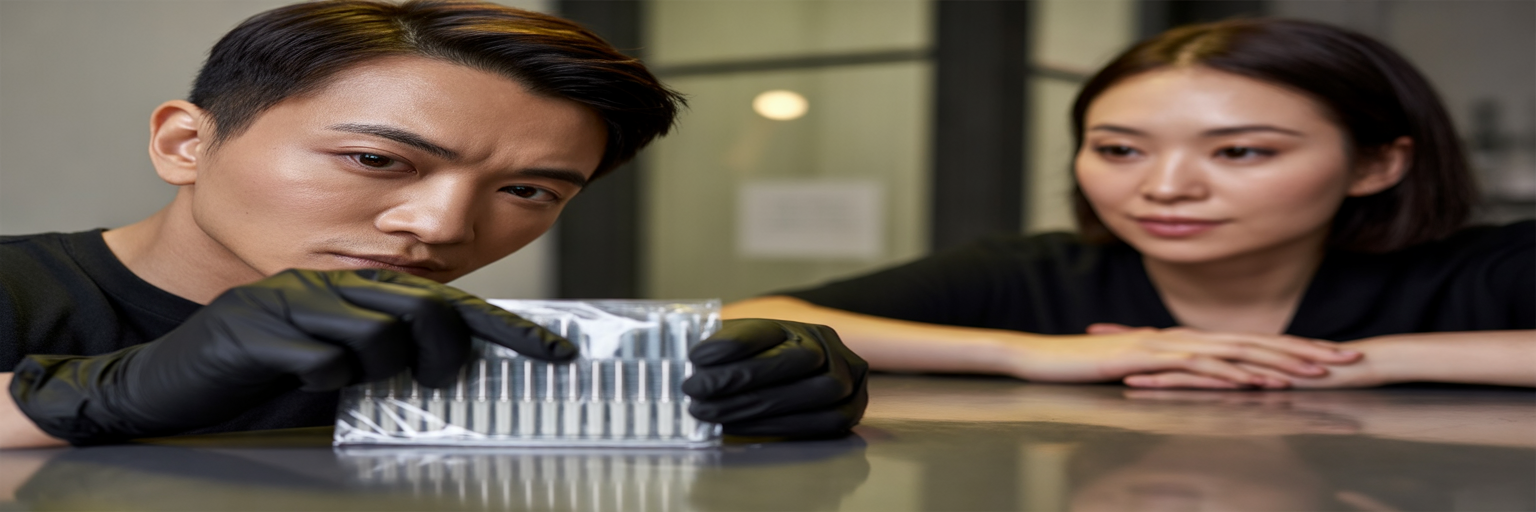
A professional tattoo machine punctures the epidermis up to 3,000 times per minute, placing tattooing in the exact same clinical risk category as invasive medical procedures. Because every microscopic puncture interacts directly with blood and interstitial fluid, relying on sterile single-use needles is the foundational safeguard that turns personal storytelling into safe, lifelong body art.
Why Single-Use Needles Remain the Gold Standard for Infection Control
Public health authorities classify any instrument that breaches the skin barrier and contacts bodily fluids alongside high-risk surgical tools. As highlighted in the public health guidelines from NSW Health, skin penetration procedures demand strict clinical protocols to eliminate biological hazards before a session even begins. Utilizing brand-new, factory-sealed single-use needles for every sitting is the most reliable method to prevent tattoo infections and protect your long-term wellbeing.
Attempting to clean and reuse needles introduces severe biological risks because microscopic tissue debris and pathogens easily hide within tightly soldered needle groupings. Improper sterilization leaves clients vulnerable to life-altering bloodborne viruses, specifically HIV, hepatitis B, and hepatitis C. Beyond viral threats, compromised equipment can introduce aggressive bacterial pathogens such as Staphylococcus aureus and Pseudomonas aeruginosa deep into the dermal layer, turning a meaningful commemorative piece into a painful medical emergency.
Comprehensive skin protection also encompasses how your body interacts with pigments, a topic we explore thoroughly in our guide to preventing allergic reactions to tattoo ink. When you know your biological safety is completely protected, the atmosphere in the studio shifts. You can settle into the chair without anxiety and focus entirely on the creative dialogue with your artist. Uncompromising clinical safety is the quiet foundation upon which all bespoke, collaborative tattoo artistry is built.
How Needle Integrity Shapes Artistry and Skin Healing
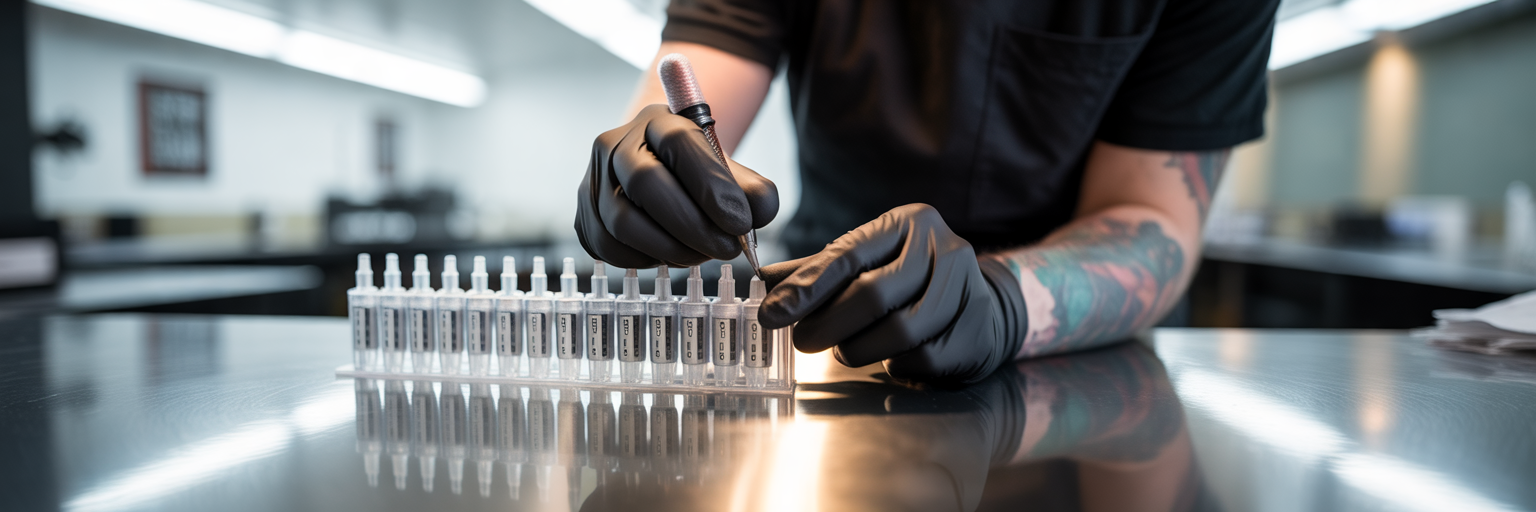
Clinical safety is only half of the equation. For discerning collectors, the physical metallurgy and structural engineering of sterile tattoo needles directly determine how crisply a custom design settles into the skin and how smoothly the dermis recovers.
Why Disposable Cartridges Cannot Be Autoclaved
Modern disposable tattoo cartridges are engineered with microscopic precision for a single life cycle and must never be run through a steam autoclave. According to the clinical sterilization document from NSW Health, only validated reusable metal instruments can withstand high-pressure steam processing. Exposing single-use cartridges to extreme autoclave heat, pressure, and moisture warps the delicate surgical steel needles, degrades the medical-grade plastic housing, and melts internal tension membranes. Worse yet, thermal stress creates microscopic burrs and hooked tips that tear the skin like tiny fishhooks rather than piercing it cleanly.
Precision Demands for Fine-Line, Watercolor, and Cover-Up Art
Every specialized style relies on pristine needle geometry to control skin trauma and capillary ink flow. Fine-line minimalism requires rigid, razor-sharp groupings to deposit crisp lines in a single pass, while delicate watercolor gradients depend on undamaged magnum configurations to blend translucent hues without shredding the epidermis.
This structural integrity becomes even more vital during restorative body art. Reworking dense pigment requires pristine groupings that deposit ink smoothly without overworking the dermis, a process detailed in our guide on transforming faded tattoos into hyper-realistic art. Similarly, camouflaging compromised tissue demands zero mechanical drag to avoid triggering additional keloid formation, which is why we emphasize pristine needle configurations in our article on the best tattoo styles for covering up scars gently.
Impact of Needle Condition on Tattoo Application and Healing
| Performance Factor | Factory-Sealed Single-Use Needle | Reprocessed or Compromised Needle |
|---|---|---|
| Microscopic Tip Geometry | Uniform, laser-sharpened taper for clean entry | Micro-burrs, blunted tips, and heat-warped solder |
| Epidermal Impact | Minimal puncture trauma and reduced inflammation | Skin tearing, excessive weeping, and raised scarring |
| Pigment Deposition | Consistent capillary ink flow into the upper dermis | Patchy saturation, ink splatter, and blowout risk |
| Suitability for Cover-Ups | Penetrates dense or scarred tissue smoothly | Overworks delicate scar tissue and muddies color layers |
As this comparison illustrates, factory-sharp tips minimize dermal trauma, reducing post-session inflammation so your custom artwork heals with crisp visual clarity and vibrant color retention.
What to Expect During a Transparent Studio Setup
Understanding how needle mechanics protect your skin naturally leads to what you should witness before a single drop of ink is poured. Elevated tattoo hygiene standards are never hidden behind closed doors. Instead, workstation preparation should unfold as a transparent ritual of mutual respect between you and your artist.
Research and clinical frameworks from the City of Toronto BodySafe program emphasize that artists must perform hand hygiene, put on fresh nitrile gloves, and unseal sterile packaging directly in front of the client. Watching this choreography firsthand builds immediate confidence. During your pre-session setup, look for these specific visual checkpoints:
- Intact blister packaging: Every needle or cartridge pouch should be completely sealed with crisp medical paper and free from moisture or punctures.
- Ethylene oxide (EO) gas indicator strips: Check the pouch for a color-changing chemical indicator strip confirming the batch underwent validated gas sterilization.
- Printed lot numbers and expiration dates: Verify that the manufacturer tracking code and valid expiry window are clearly stamped on the backing.
- Medical-grade barrier film on hardware: Ensure reusable components such as rotary machine bodies, clip cords, and power supplies are thoroughly encased in disposable plastic barriers.
Separating wrapped reusable machinery from single-use cartridges prevents airborne micro-droplets from causing cross-contamination. Witnessing this meticulous preparation establishes deep trust, allowing you to enjoy the collaborative session ahead.
Safe Sharps Disposal and Post-Session Studio Hygiene
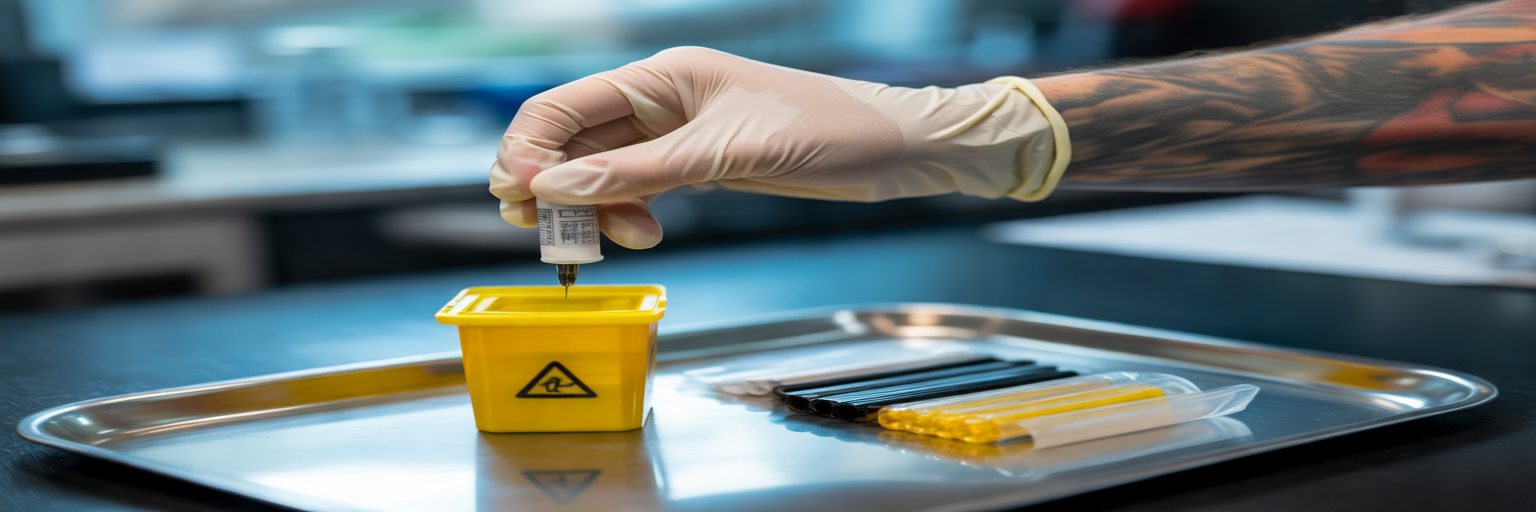
True accountability extends beyond the final wipe of your finished tattoo. What happens the moment you step out of the chair demonstrates a studio's commitment to protecting its artists, future clients, and the wider community.
Once the artwork is complete, expended needles and cartridges carry biological material that poses an immediate hazard. According to the Auckland Council Tattooing Code of Practice, used sharps must be transferred directly into approved, puncture-resistant containers immediately after use, followed by rigorous surface disinfection. In strictly regulated hubs like Singapore, contaminated sharps must never enter regular municipal trash streams. Instead, licensed biohazard waste collectors transport sealed bins for specialized incineration, protecting public sanitation workers from accidental needle-stick injuries.
A conscientious studio follows four sequential steps during every post-session station breakdown:
- Immediate sharps containment: The artist drops all expended needles and cartridges directly into a rigid yellow biohazard sharps bin located right at the workstation.
- Gloved removal of disposable barriers: Wearing fresh gloves, the artist strips away contaminated barrier films, ink caps, and rinse cups into dedicated clinical waste bags.
- Two-stage surface decontamination: The workstation, trays, and client chair are thoroughly wiped down and saturated with hospital-grade virucidal disinfectants to neutralize any lingering pathogens.
- Final inspection and hand hygiene: The artist verifies surface cleanliness and washes their hands thoroughly before preparing for the next consultation.
Once the studio completes its clinical breakdown, your own healing responsibility begins, especially when stepping outdoors into humid weather as outlined in our guide to maintaining tattoo vibrancy in the tropics. Responsible sharps disposal and diligent aftercare together complete the ethical cycle of modern body art.
Choosing a Studio That Prioritizes Both Safety and Craft
Selecting the right artist for your next milestone piece means evaluating clinical discipline alongside creative portfolio quality. When searching for a safe tattoo studio in Singapore, you should feel completely empowered to observe the environment and ask direct questions during your initial consultation. A professional team will always welcome your curiosity with warmth and transparency.
During your design consultation, keep these practical observations and questions in mind:
- Ask to see cartridge storage: Inquire how sterile single-use supplies are organized and kept isolated from active work zones.
- Observe workstation separation: Check that tattooing bays are clearly separated from reception and consultation areas to maintain a clean clinical perimeter.
- Look for accessible sharps bins: Confirm that certified yellow biohazard containers are mounted within arm's reach of every artist chair.
- Discuss multi-hour barrier protocols: Ask how the artist refreshes gloves and protective films during extended custom or cover-up sessions.
At Memory Lane Tattoo Studio, artistic director Apple Qu brings over 20 years of international experience to an environment where medical-grade hygiene and bespoke artistry work in harmony. Whether we are collaborating on a delicate minimalist emblem, blending Eastern and Western techniques, or executing a complex cover-up, your health and personal story remain our highest priorities. When rigorous clinical care meets personalized craftsmanship, you leave with both complete peace of mind and timeless art you can wear with pride.