
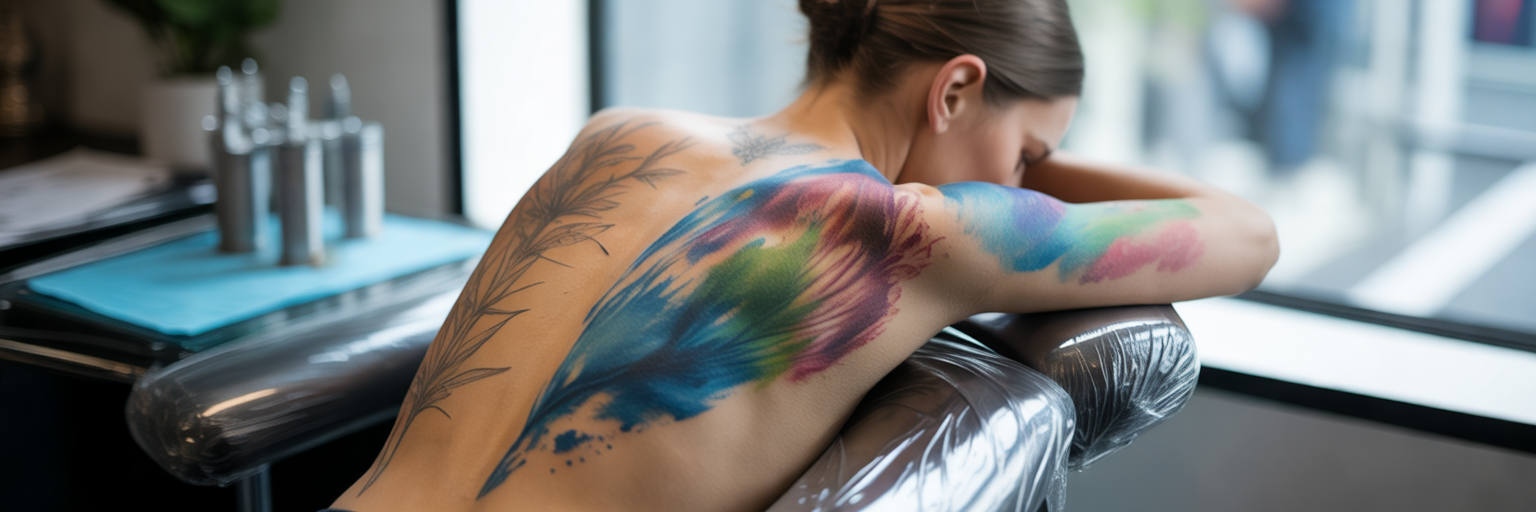
Centuries before modern tattoo machines existed, traditional painters learned that translucent glazes could alter the depth and tone of dark underpaintings without scraping the canvas clean. Today, custom tattoo artists apply that exact optical principle to transform unwanted ink into luminous, fluid body art through refined watercolor tattoo techniques.
How Watercolor Techniques Transform Cover-Up Tattoos
Watercolor approaches have matured from simple decorative washes into strategic concealment methods for cover-up tattoos. By understanding how pigment interacts within the dermis, experienced artists can turn visual regret into an expressive masterpiece tailored to your skin.
The Myth of Translucent Ink in Concealment
Many clients arrive at their consultation worrying that painterly styles are far too sheer for hiding old tattoos. This hesitation comes from assuming tattoo pigments behave like water and pigment on paper. In reality, tattoo ink does not rely on watery dilution to create soft gradients on the body.
Artists control opacity by adjusting pigment concentration and needle saturation within the dermis. By varying hand speed and pigment density, we can build solid, light-blocking layers in one area while fading that same hue into a delicate mist just millimeters away.
Mapping Saturated Anchor Tones Over Old Pigment
Successful concealment starts with strategic color mapping. We place rich, opaque anchor tones like deep blues, burgundies, and forest greens directly over the darkest segments of your existing piece. These saturated shades neutralize underlying black or faded blue ink while harmonizing with your complexion, a balance we explore thoroughly in our guide to custom pigments and skin undertones.
Watching an outdated mark disappear beneath vibrant washes brings an immediate sense of emotional relief and personal renewal. Reworking old ink into bespoke watercolor tattoos allows you to honor your current chapter in life with grace. Ultimately, effective watercolor concealment relies on deliberate color theory and precise pigment placement rather than simply painting a heavy layer over the past.
Building Structural Foundations With Linework and Contrast
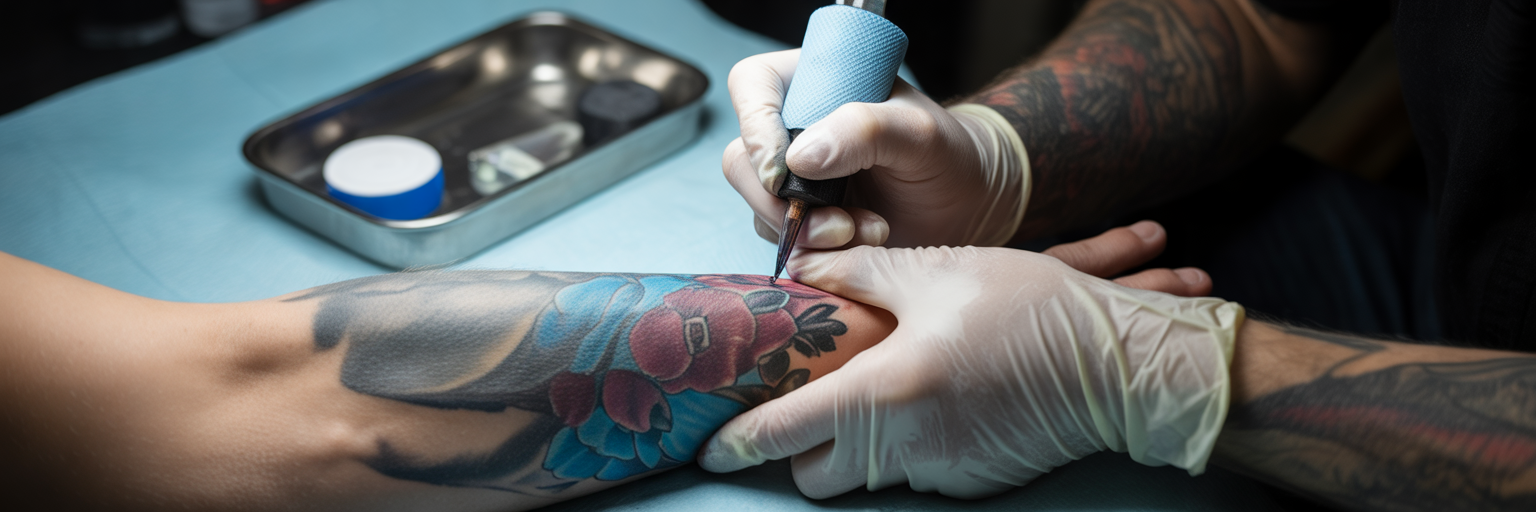
While pigment chemistry handles the tonal neutralization of old ink, the long-term clarity of your new piece depends entirely on its structural architecture and visual contrast.
Combining Fine Linework With Fluid Gradients
Establishing a graphic foundation before applying fluid color splashes is vital for keeping a cover-up readable over decades. At Memory Lane Tattoo Studio, artistic director Apple Qu and our resident artists frequently pair soft color washes with deliberate fine-line work, geometric structures, or fusion Eastern and Western outlines. You can see how these distinct disciplines reinforce one another in our resource on blending watercolor techniques into fusion tattoos.
Pure, lineless watercolor designs carry unique risks when applied over older tattoos. Omitting structural boundaries can sometimes allow dense concealed ink to visually resurface as your skin naturally ages and pigments settle.
Breaking the Eye Path With Organic Textures
Beyond holding the design together, crisp lines and varied textures create an optical illusion that breaks the eye path. When someone looks at your skin, their brain naturally searches for familiar patterns. By introducing irregular edges, overlapping botanical petals, or smoke-like flows, we scramble the recognizable contours of the old tattoo underneath. During our design process, we combine specific structural techniques to redirect the viewer's gaze:
- Asymmetrical petal layering that intersects stiff, older linework at unpredictable angles
- High-contrast focal outlines that command immediate visual attention away from covered zones
- Directional brushstroke splashes that guide the eye smoothly across the natural curves of your body
- Negative-space framing that creates breathing room around densely saturated anchor points
To help you visualize how different structural foundations perform over time, the comparison below outlines our studio observations of healed cover-up work across multi-year periods.
| Design Approach | Primary Concealment Mechanism | Visual Weight on Skin | Long-Term Readability |
|---|---|---|---|
| Pure Lineless Watercolor | Color saturation and gradient blending | Light and airy | Moderate; old contours may show through as ink settles |
| Traditional Heavy Opaque Cover-Up | Dense black shading and solid color packing | Heavy and bold | High, but often creates a dark, dominant patch |
| Structured Fusion Watercolor | Targeted dark anchors paired with fine linework and organic splashes | Balanced and dynamic | High; linework maintains crisp boundaries while washes add softness |
Reviewing these parameters together during your consultation helps us balance your desire for aesthetic lightness with lasting structural integrity.
Scaling, Placement, and Collaborative Design Planning
Creating that balance between lightness and structure requires looking beyond the old ink itself to consider how the new artwork will sit across your anatomy.
Expanding the Footprint and Using Negative Space
A common misconception is that a cover-up can trace the exact footprint of the original tattoo. In practice, a flattering custom tattoo design must extend into surrounding uninked skin to establish a balanced composition. Confining new pigment strictly within the old borders only creates a heavier silhouette of the shape you wanted to forget.
By expanding the canvas, we can place luminous color washes and open negative space around the periphery of the old mark. These airy outer elements draw the eye outward, making the denser covered center feel like a natural shadow within a much larger, cohesive painting.
Assessing Density and Laser Fading Options
Every transformation begins with an open, analytical conversation where we examine your skin and listen to the story you want your new artwork to tell, a workflow detailed in our guide to preparing for a cover-up consultation. We also carefully check the texture of the existing piece for any raised tissue, applying insights from our approach to planning tattoo placement over scarred skin so the new flow flatters your body smoothly.
Honesty is central to our collaborative process. If an existing tattoo is extremely dense, heavily scarred, or packed with high-contrast black ink, immediate pigment concealment may restrict your color palette. In those moments, completing just a few sessions of partial laser fading can lighten the foundation enough to open up vibrant watercolor possibilities. When you sit down with our team, we walk through four collaborative steps:
- Assessing existing ink density and evaluating surrounding skin texture under studio lighting
- Sharing the personal milestone or emotional narrative inspiring your new piece
- Mapping dark anchor zones and peripheral negative space directly onto your anatomy
- Finalizing custom pigment blends and structural linework tailored to your style
Long-Term Care for Vibrant Watercolor Concealment

Once your custom design is mapped and tattooed onto your skin, preserving its delicate transitions shifts from our studio chairs to your daily routine.
Protecting Layered Pigments in a Tropical Climate
Diligent aftercare is especially vital for cover-ups because your dermis holds multiple layers of pigment and requires gentle regeneration. Protecting subtle watercolor gradients from ultraviolet radiation is essential in the year-round equatorial sun and high humidity we experience here in Singapore. Consistent habits keep pastel edges crisp and prevent underlying ink from peeking through, as we emphasize in our dedicated guide on maintaining tattoo vibrancy in the tropics. Make these four tropical aftercare habits part of your routine:
- Apply broad-spectrum SPF 50+ daily over the entire tattooed area once the skin has fully healed
- Wear breathable UV-protective fabrics during extended midday outdoor activities
- Avoid prolonged soaking in chlorinated pools or seawater throughout the initial healing phase
- Keep the skin hydrated with fragrance-free lotion when spending long hours in dry, air-conditioned rooms
Studio Hygiene, Needle Depth, and Settling Expectations
Lasting vibrancy also starts with choosing a reputable tattoo studio in Singapore that upholds strict clinical hygiene standards. Working over previously tattooed skin requires veteran artists who understand precise needle depth. Placing pigment at the exact millimeter prevents skin trauma, raised scarring, or muddying the newly layered inks.
Because concealed work involves double the pigment load, layered inks take roughly two to three months to fully settle beneath the regenerated epidermis. As the skin matures, a brief touch-up session can occasionally help perfect color saturation in lighter transition zones. We view your cover-up journey as a lasting partnership between skilled craftsmanship and mindful daily care, and we invite you to explore our bespoke studio whenever you are ready to begin your next chapter.