
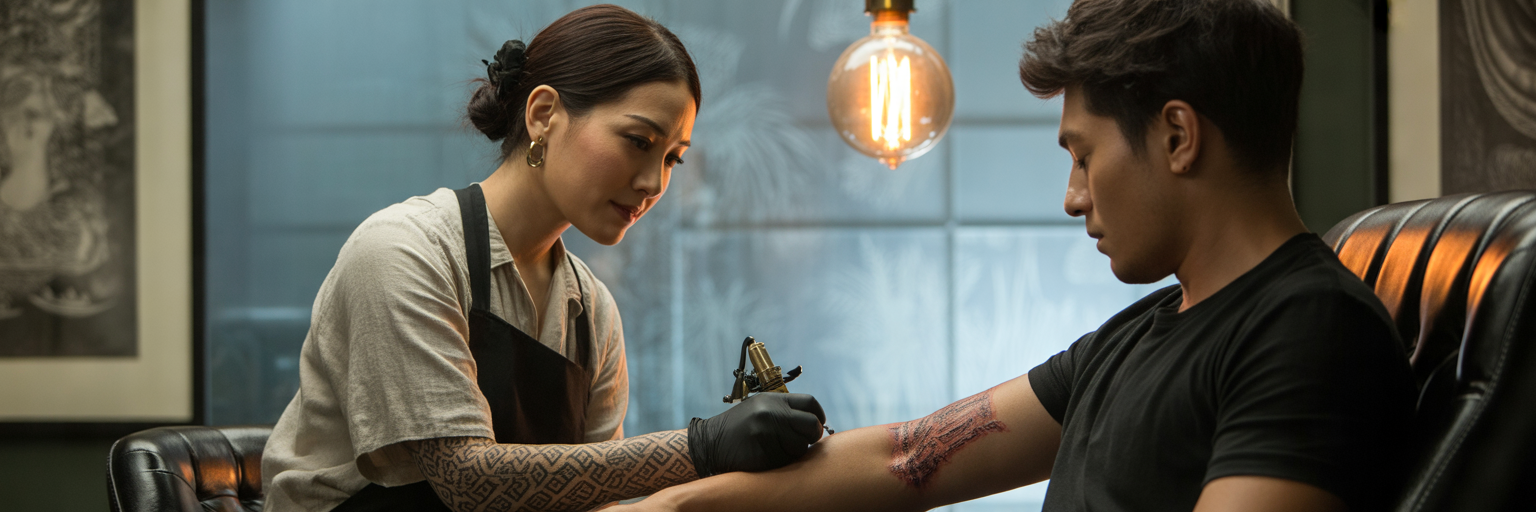
Human skin requires up to two full years of internal collagen remodeling to fully stabilize after a deep dermal injury. Understanding this biological timeline is the essential first step when planning a bespoke cover-up tattoo for scars that transforms old physical memories into refined, meaningful body art.
Assessing Your Skin for a Cover-Up Tattoo for Scars
Understanding Scar Maturity and Tissue Types
Before we sketch a single line, our primary commitment is the health and stability of your skin. Successful tattooing over scar tissue relies entirely on biological maturity. Across our industry, the consensus is to wait at least 12 to 18 months, and ideally up to 24 months, before introducing ink. You will know your skin is ready when the tissue feels settled, looks pale rather than pink or purple, and is no longer actively remodeling beneath the surface.
Every scar carries its own structural history, which is why we highlighted the importance of skin evaluation in our guide on transforming scars into meaningful art. Flat surgical incisions or silvery stretch marks are generally straightforward to work with because their surface remains relatively uniform. Raised hypertrophic scars, however, contain denser collagen bundles that require a careful tactile evaluation by an experienced artist to ensure the tissue can hold pigment evenly.
When Clinical Consultation Is Essential
Your safety always comes before aesthetics. For clients with a history of keloids, complex skin grafts, or deep burn tissue, securing a clinical consultation with a dermatologist is mandatory prior to visiting a studio. Because keloid tissue grows beyond the original wound borders, the needle trauma of a tattoo on unverified keloid-prone skin can trigger further tissue overgrowth or unpredictable healing.
To help you evaluate your skin readiness before booking a session, the table below outlines standard dermatological healing benchmarks and our studio assessment protocols.
| Scar Classification | Recommended Maturity Timeline | Tissue Characteristics | Pre-Tattoo Clinical Requirement |
|---|---|---|---|
| Atrophic Scars and Stretch Marks | 12 to 18 months minimum | Indented or thin dermis, soft texture, pale coloration | Standard artist tactile assessment |
| Flat Surgical or Linear Scars | 12 to 24 months | Firm collagen alignment, minimal elevation, stable borders | Artist evaluation once redness fully subsides |
| Hypertrophic Scars | 18 to 24 months minimum | Raised within original wound boundary, dense fibrous tissue | Thorough in-person elasticity check by a specialist |
| Keloids and Complex Burn Grafts | 24 months plus medical clearance | Tissue extends beyond wound borders, altered nerve sensitivity | Mandatory dermatologist approval prior to consultation |
Practicing patience during this initial healing phase builds the true foundation for a safe, vibrant, and lasting artistic transformation.
Artistic Styles and Motifs That Camouflage Texture
Working With Natural Topography and High-Contrast Density
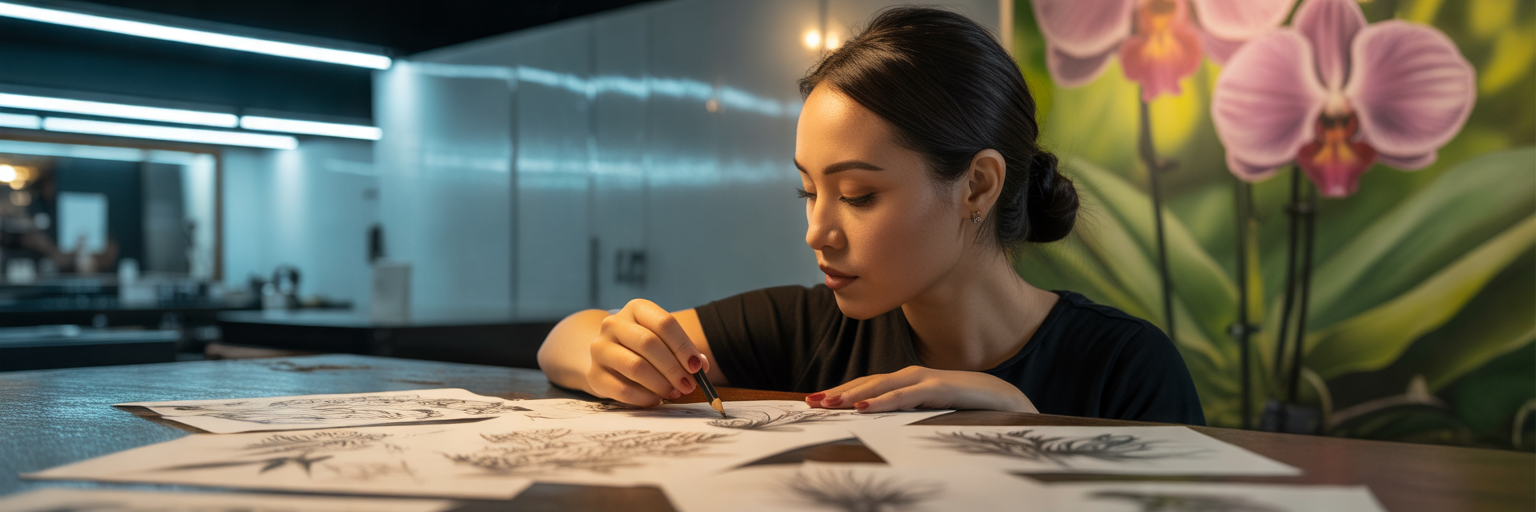
Once your skin is physically ready, our focus shifts from biology to visual artistry and optical illusion. Designing for textured skin means working with your body's natural topography rather than stamping a rigid stencil over it. Organic motifs like botanical florals, flowing vines, soft plumage, or intricate mandalas naturally follow the contours of a scar and disguise its borders. When exploring the best tattoo styles for scars, we often recommend visually dense approaches such as hyper-realism, neo-traditional, blackwork, and textured dotwork, which align with the principles in our resource on selecting supportive styles for scar concealment.
These styles create rich optical depth that diverts the viewer's eye away from uneven skin surfaces. At Memory Lane Tattoo Studio, led by artistic director Apple Qu with over 20 years of experience, we frequently blend Eastern and Western artistic techniques to achieve this effect. By incorporating soft watercolor splashes around structured linework, as detailed in our article on watercolor fusion techniques, we gently draw visual focus toward the healthy surrounding skin.
Why Delicate Minimalist Lines Fall Short on Textured Skin
Many clients initially request minimalist or single-needle fine-line styles for a custom scar cover up, hoping for a subtle concealment. However, we gently advise against ultra-thin geometric designs directly over textured areas. Delicate straight lines and wide expanses of open negative space easily warp over raised ridges, which can inadvertently highlight the scar rather than conceal it.
To create a harmonious distraction, we apply specific compositional principles tailored to your skin's surface:
- Organic line flow that curves along the natural ridges and valleys of the tissue rather than cutting straight across them.
- High tonal contrast using deep blacks and saturated mid-tones to create three-dimensional depth that masks surface shadows.
- Directional shading such as stippling or whip-shading to mimic natural textures like petals, feathers, or gentle waves.
- Border diffusion utilizing soft watercolor washes or graduating dotwork to blur the transition between scarred and unblemished dermis.
- Strategic focal point placement that positions the brightest highlights or most intricate details on smooth adjacent skin.
Ultimately, the most flattering design balances deep personal meaning with structural elements capable of disguising skin texture gracefully.
The Collaborative Design and Consultation Process
In-Person Tactile Assessment and Staging Visual Anchors
Translating these visual principles into a tailored composition requires a close partnership between you and your artist. While reference photos are a helpful starting point, a photograph cannot capture how your skin moves, stretches, or feels under the fingers. Visiting a specialized tattoo studio in Singapore for an in-person consultation allows an experienced artist to physically examine the depth, pliability, and elasticity of your scar tissue under proper studio lighting. You can read more about how we approach this first meeting in our guide on preparing for a cover-up consultation.
During this tactile assessment, we also engineer the spatial layout of your piece by staging visual anchors. Rather than confining the artwork strictly to the dimensions of the injury, a well-planned bespoke cover up tattoo extends several inches beyond the scarred area onto healthier, unblemished skin. This technique, which we explore further in our breakdown on planning placement for scar cover-ups, establishes a balanced flow that integrates the scar seamlessly into the natural musculature of your body.
Weaving Personal Milestones Into Bespoke Art
Beyond spatial engineering, the consultation is an emotional and creative collaboration. We sit down together to discuss your personal milestones, cultural heritage, and life stories so we can weave those elements into a timeless piece. Just as an analysis by Digital Fusion Hub shows that consistent visual elements build a memorable identity, harmonizing custom motifs with your body's natural flow shifts the visual association from an old injury to a deeply personal narrative.
When you look in the mirror, your eyes should immediately connect with the story of your resilience rather than the memory of the wound. Open communication and mutual trust between you and a dedicated specialist are essential to turning that deeply personal concept into a flattering reality.
What to Expect During the Tattooing and Healing Journey
Pigment Absorption, Sensory Differences, and Multi-Session Pacing
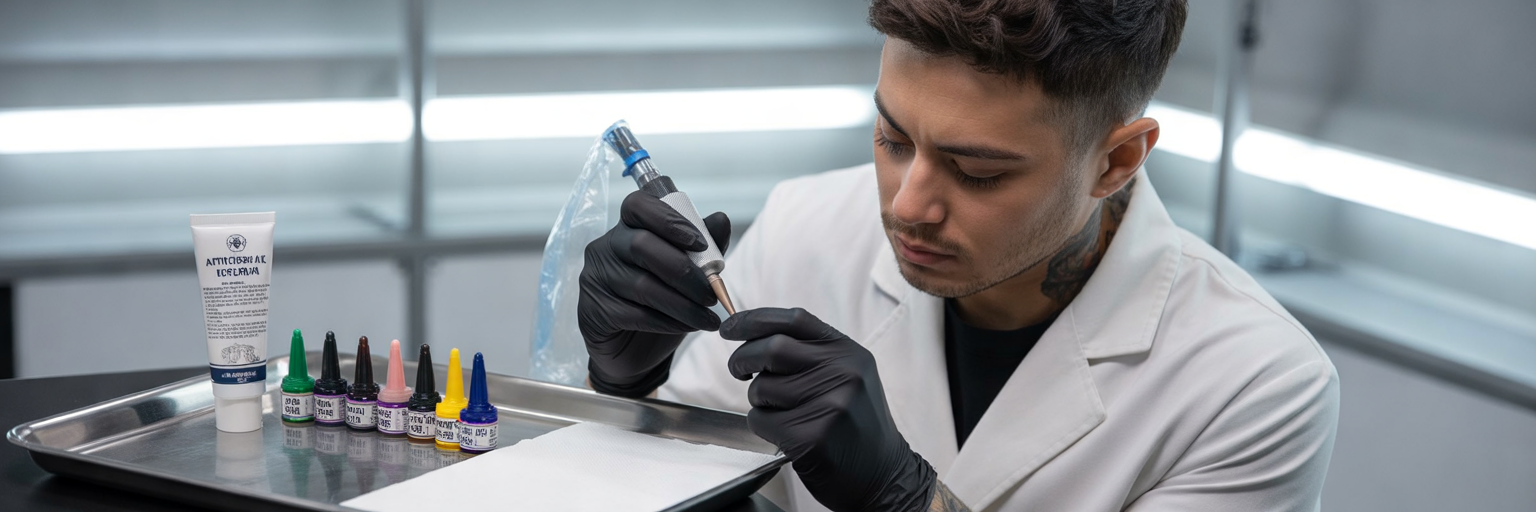
Stepping into the studio on the day of your appointment comes with unique physical considerations. We believe in complete transparency regarding what tattooing can and cannot achieve on altered skin. While custom artwork provides a profound visual transformation, the needle will not physically flatten or erase the underlying contour of the tissue. Furthermore, dense collagen fibers absorb pigment differently than unblemished dermis, sometimes rejecting ink or healing slightly muted.
Because of this fibrous structure, achieving rich saturation often necessitates a patient, multi-session approach and scheduled touch-ups, a process we outline in our article on preparing for a multi-session cover-up. Allowing the skin to rest between gentle layers prevents overworking the delicate dermis. You may also notice distinct sensory differences during the session itself, as rearranged nerve endings within scar tissue can cause sensations ranging from complete numbness in certain spots to heightened tenderness along the borders.
Aftercare and Hygiene in a Tropical Climate
Once your session concludes, protecting your healing skin in Singapore's warm, humid equatorial climate requires dedicated care. Scar tissue often has reduced blood supply compared to surrounding skin, meaning it relies heavily on meticulous hygiene to recover smoothly. We detail how to protect your ink against heat and moisture in our guide on maintaining tattoo vibrancy in the tropics, which centers on four essential post-procedure steps:
- Maintain medical-grade hygiene by leaving the initial breathable dermal wrap intact as instructed and washing exclusively with mild, fragrance-free cleanser.
- Practice breathable moisture management by applying paper-thin layers of aftercare balm, ensuring heavy ointments do not trap tropical humidity or clog pores.
- Avoid prolonged perspiration and submerging the tattoo in swimming pools, baths, or coastal waters for at least three weeks to prevent bacterial irritation.
- Enforce strict ultraviolet sun protection with high-SPF broad-spectrum sunscreen once healed, as UV rays rapidly degrade pigment over sensitive scar tissue.
Partnering with the dedicated artists at Memory Lane Tattoo Studio transforms this clinical and creative process into a rewarding journey of bodily reclamation and lasting confidence.